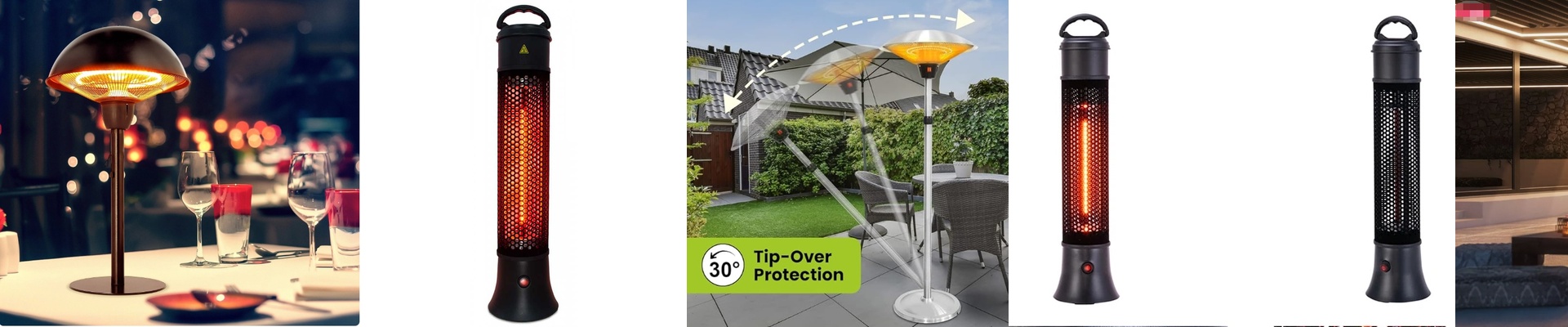
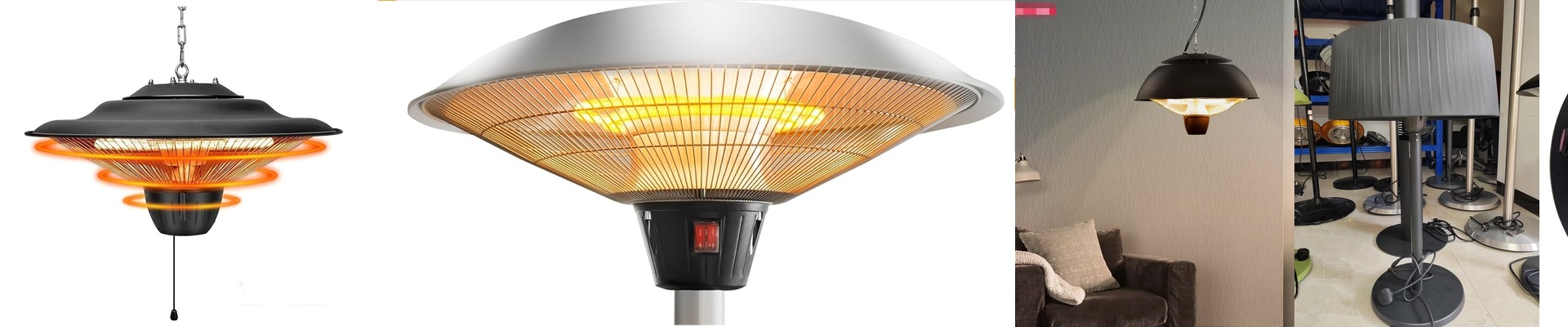
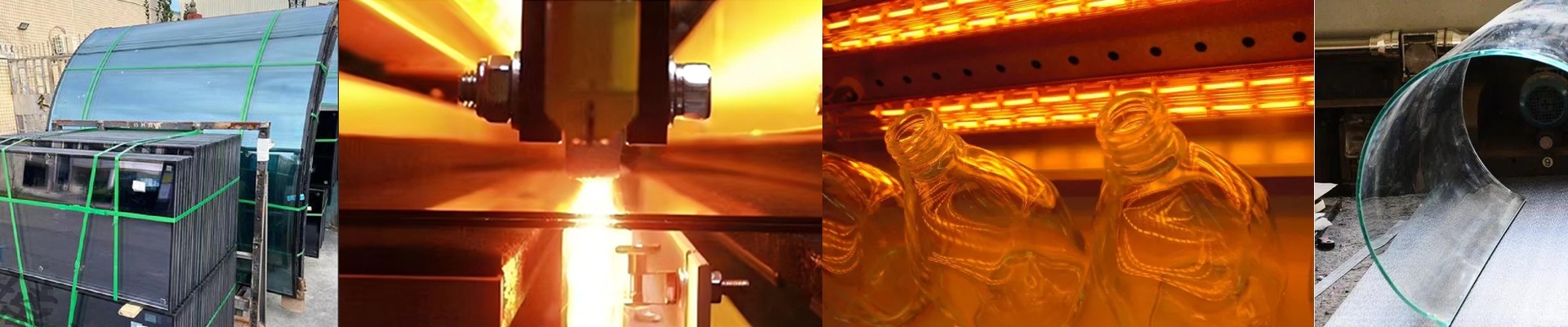

Ever step onto a cold patio and end up waiting on a bulky heater to slowly warm the whole area—while you’re still shivering? That’s the headache you get when you try to heat open spaces with conventional methods. Infrared electric heaters cut through that frustration by putting warmth right where you need it, right when you need it.
What matters, technically
Infrared heaters run on radiant heat. It travels in straight lines and warms people and objects directly, instead of chasing after the surrounding air. Inside, a carbon fiber or quartz element throws off short-wave infrared energy that cuts through the air with minimal loss. The payoff? You feel heat in seconds, not minutes.
When you add app control, you get real command over output, scheduling, and timers. That’s more than convenience—it’s energy discipline. No more running a heater in an empty space.
Why it works where you need it
On a deck, in a workshop, or a big room, traditional heaters fight to knock out cold spots and end up wasting energy on empty corners. An infrared heater is directional by nature, so you aim the warmth where you actually sit, work, or walk in. That turns dead zones into comfortable spots.
You get immediate relief, better comfort, and lower operating costs because you’re only heating what you use. App control adds another practical layer: tweak heat from your phone, set routines for evenings on the deck, and keep an eye on usage—without having to get up.
The practical details you’ll want to get right
Infrared warmth is direct, so it performs best when the heater has a clear line of sight to the people or objects you want to warm. Obstructions and heavy wind can cut effectiveness, and ambient air temperature still matters for overall comfort.
For outdoor use, look for an IP-rated housing and tip-over protection. Installation is straightforward, but plan on a dedicated outlet and a stable mounting spot so the beam stays aligned where you intend it.