
A barista wipes steam from her hands while commuters bunched near the door try to shake off the chill. Out on the platform, people shift from foot to foot, coats pulled tight. In spots like this, comfort isn’t a nice-to-have—it’s what turns a quick stop into a place people stick around.
What matters under the hood
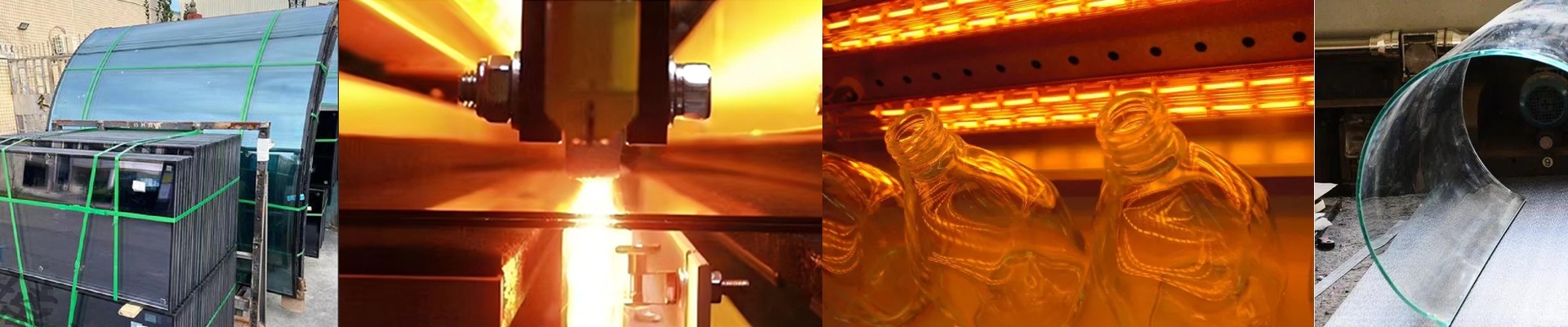
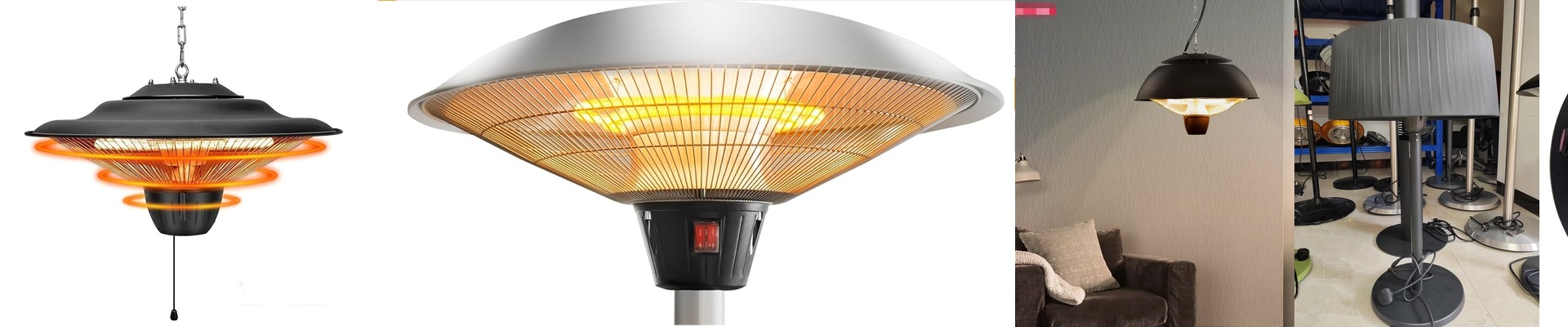
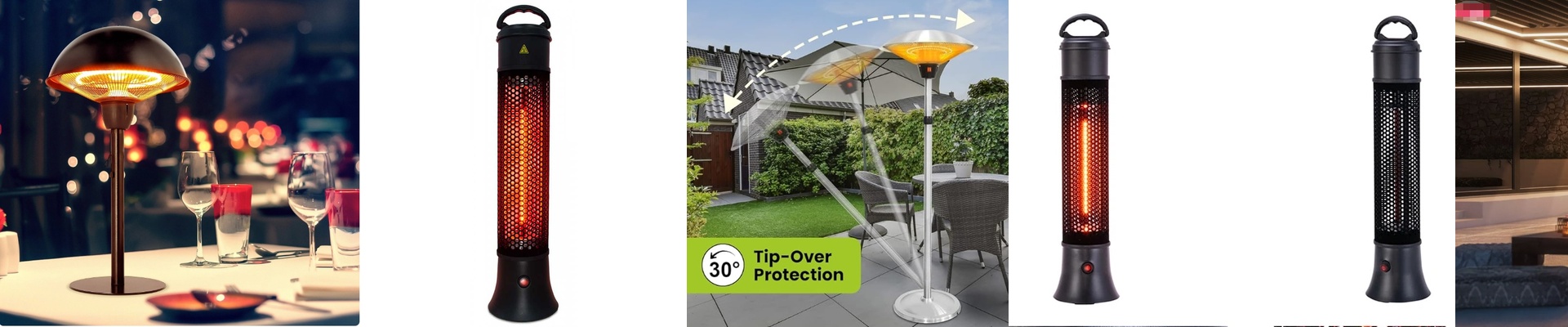
We build wholesale electric heaters around infrared radiant warmth, so the heat lands where people are, not up in the air where it does no good. Inside, you’ll see a carbon fiber element or a quartz tube—both heat fast and hold steady output. Most models run on 120V or 240V to match standard commercial circuits. The payoff is direct, even warmth that shows up within seconds of flipping the switch. Controls stay straightforward: a thermostat to keep comfort consistent, plus the safety basics like tip-over protection. For anything facing the outdoors, match the IP rating to the exposure—enough protection to handle damp mornings and wind without the performance drifting.
Why this approach fits these spaces
In coffee shops, restaurants, and transit hubs, the job is immediate comfort with minimal fuss. Infrared electric heaters warm tables, stools, and waiting lines directly, so guests feel the heat quickly instead of waiting for the whole room to turn. That translates to quicker turnover at peak hours, fewer complaints at the door, and a space that still feels welcoming when the weather turns. Because the heating is targeted, you’re not wasting energy on empty ceiling space, which helps keep operating costs in line.
The details that make it work
Installation is simple—hardwired or plug-in, depending on the model and local code—but placement is the make-or-break part. Keep clearances clear, and aim the warmth where people actually stand and sit, not straight at a wall. In fully exposed areas, plan for wind deflection or choose a sheltered mounting spot. Strong gusts will rob felt warmth faster than you’d think. Match output to the space: higher output for wide platforms, moderate output for tight seating areas. Done right, the units run quietly and need little maintenance beyond a quick wipe-down.