
Why We Built the Tube This Way
Here’s the truth: when you’re drying shoes on a line, you need serious heat in a small space. So we built this heater to run at 400V and 2500W. Why 400V? Because it keeps the current lower than a 230V setup would. That means less strain on the wiring, and you can keep things compact. And the 300mm length? That wasn’t accidental. It’s long enough to cover a full shoe mold or drying channel, but still short enough to squeeze into tight enclosures.
The Materials and the Design
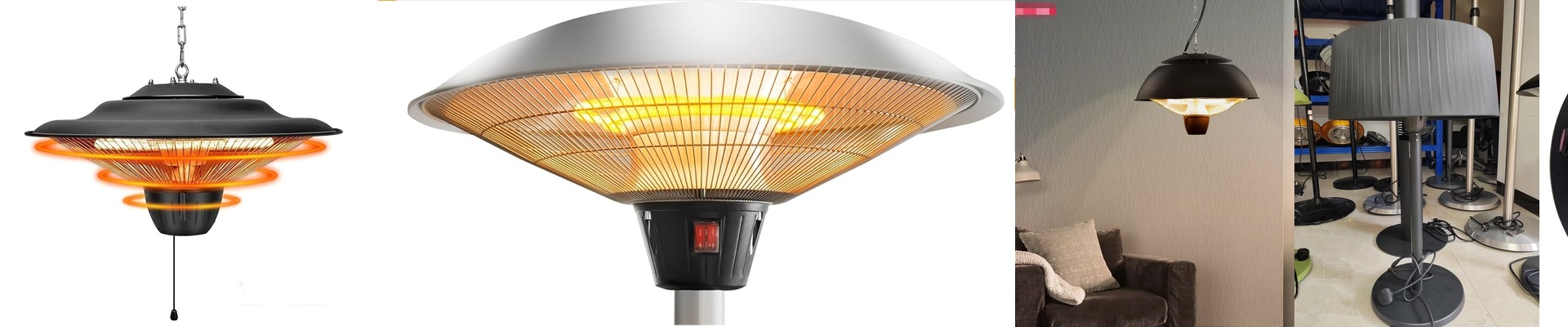
Inside, we went with a halogen-filled quartz tube, not a standard IR bulb. The halogen cycle does a neat trick—it keeps the element clean even at high temps. So the output stays steady, and the lifespan stretches out compared to open-coil designs. We also added an internal coating that reflects infrared energy right back onto the target. It makes the heat transfer more efficient, plain and simple. Then there’s the R7s base. It’s a two-pin, end-cap connector. No fuss. It locks in place, holds alignment, and handles repeated swaps on the production floor without any wobble or arcing.
What It Feels Like on the Line
When you’re drying shoes, you need heat that hits fast and stays focused. You need to drive off moisture without scorching the material. This 2500W, 300mm tube brings that intensity. But let’s be real—it also throws off a lot of ambient heat. Plan your airflow and thermal protection accordingly. This isn’t a low-heat part. In practice, it ramps up quickly and holds steady. If your machine and power supply match the 400V, R7s spec, it’s a reliable drop-in heater that just gets the job done.