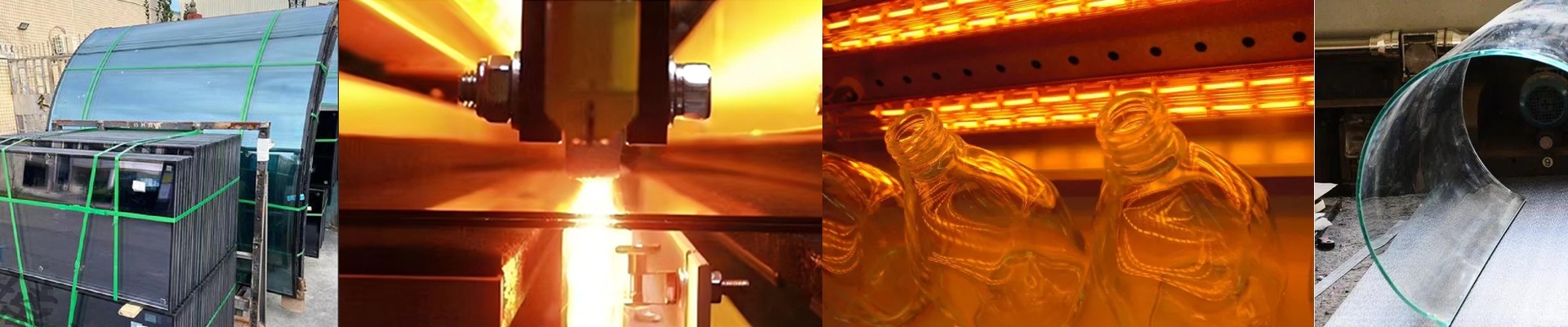
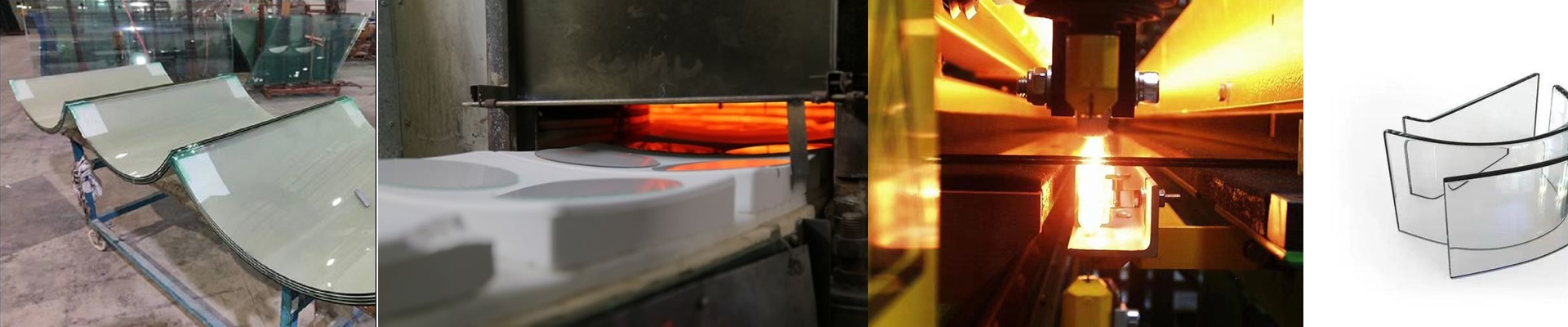

On the line, structural glazing sealant cure isn’t something you can treat as a passive stop. It sets edge strength and the long-term weatherability of the whole assembly. When heat is uneven or too slow, crosslinking doesn’t finish. Adhesion starts to feel risky. And the callbacks? They show up months later. We built this heating approach to hit the cure profile consistently—no chasing hot and cold spots. The core is short-wave infrared, tuned to match the sealant’s absorption and the glass coating’s emissivity. The module throws direct energy into the bead so the adhesive hits the required temperature fast. Reflector geometry keeps the thermal field uniform across the seal path. Output is matched to line speed and joint geometry, not guesswork. That gives you repeatable cure without overheating adjacent PVD coatings or overstressing tempered glass. It drops right into glass processing workflows—tempering, bending, coating drying, lamination, and insulating glass sealing. For structural glazing, dwell gets shorter, cure depth stays stable, and scrap from edge defects drops. Energy use falls because the heat goes where it needs to go—no heavy convection losses, no long warm-up ramps. Installation is straightforward as a drop-in replacement, but alignment matters. The lamp has to run parallel to the seal path, and the distance to the bead needs to stay within a tight window so intensity doesn’t drift. Keep the quartz envelope clean, and keep an eye on lamp temperature so you don’t cook it on rapid line stops. Handle those basics, and you get stable output shift after shift.