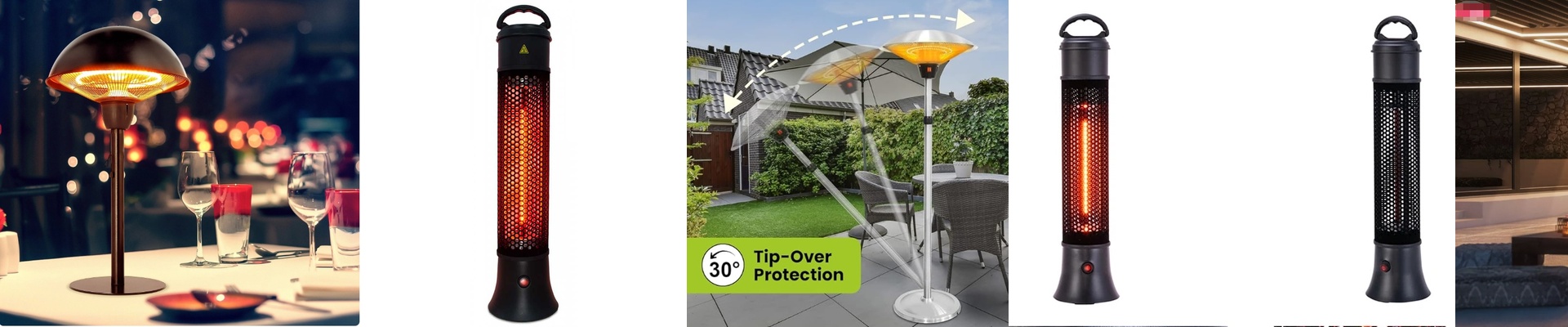
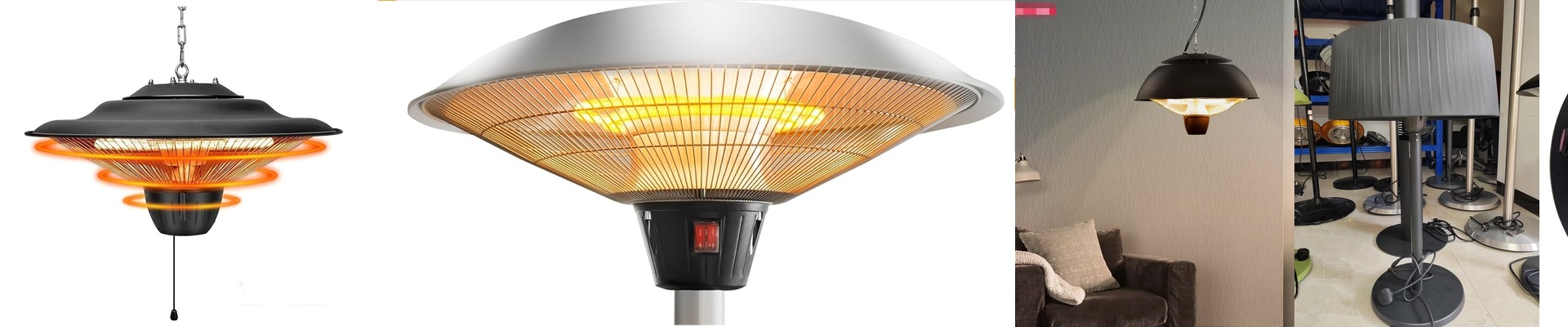
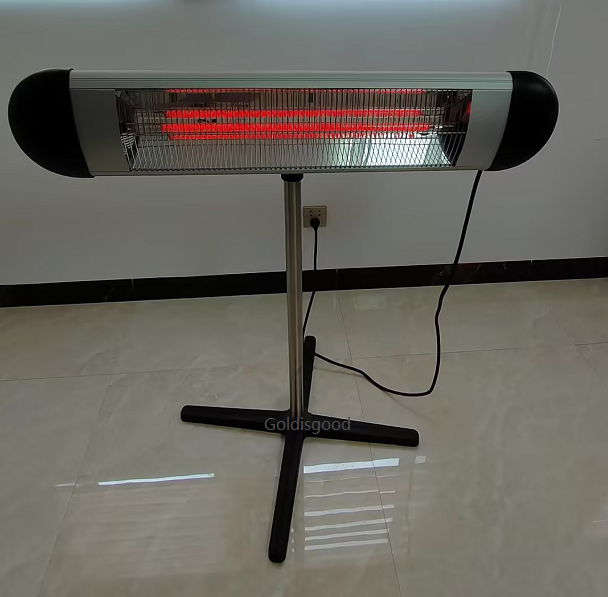
A room that never warms up isn’t just uncomfortable—it quietly changes how you use it. Mornings drag, evenings feel drafty, and the air never settles. When you’re picking a fast heating space heater, you don’t need hype. You need a heater whose output matches how the room actually loses heat.
What matters, technically
Infrared space heaters work the way the sun does—direct radiant heat that warms people and surfaces first, not the air. In practice, you feel comfort within seconds, not minutes. Power is the first number to get right. For typical residential sizing, start with about 10 watts per square foot. A 1,500-watt infrared heater is often a solid fit for roughly 150 square feet. But orientation and insulation change everything. North-facing rooms, big windows, and older construction can double heat loss. In those spaces, a 2,000-watt model may be the smarter call. Look for a unit with a proper thermostat and a housing that holds the element securely—quartz tube or carbon fiber elements are common, and either can deliver consistent radiant output when matched to the right wattage.
Why this approach fits
This is exactly where a fast heating space heater earns its keep: you want warmth on demand, without waiting for the whole room to slowly come up to temperature. Infrared warmth is especially useful in rooms that get used in bursts—kitchens, sunrooms, workshops, and living areas that turn drafty after dark. Because the heat is directional, you can place the heater where you actually sit, instead of trying to warm empty corners. That focus often means a cozier feel, with less energy spent heating air that just leaks away.
What to keep in mind
Infrared heat is immediate, but it only warms what it hits. For even comfort, position the heater so it radiates across seating areas, not jammed against furniture or curtains. Always plug into a grounded outlet and respect the clearance requirements. One practical note: infrared heaters are built to be quiet, but they don’t move air. In very humid spots, condensation can form on cold surfaces, and no electric heater will remove moisture. If you’re heating a damp room, pair the heater with solid ventilation or a dedicated dehumidifier.