Energy costs keep climbing, and greenhouse growers feel that pinch immediately. A cold snap stalls plant growth, pushes harvest dates out, and spikes the heating bill. When the heater underperforms, the greenhouse underperforms—and your bottom line takes the hit.
What actually matters under the hood
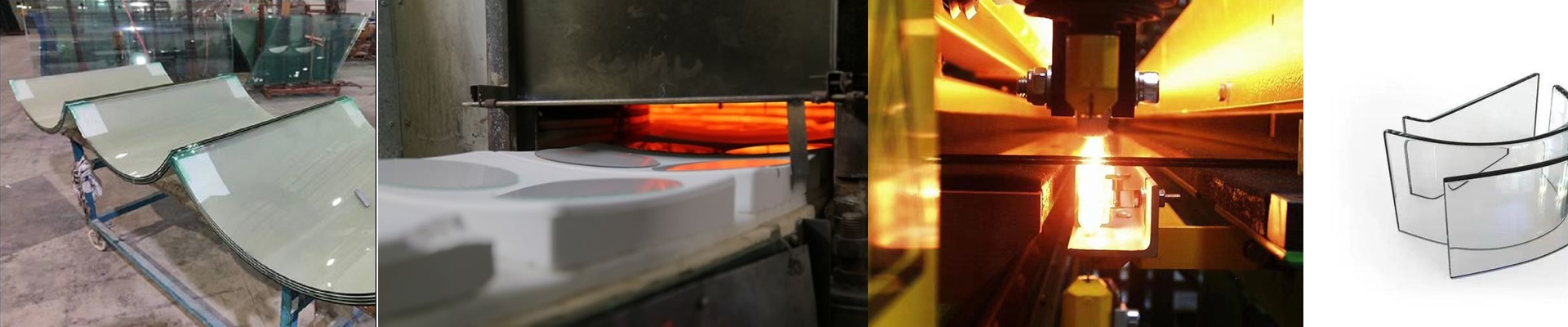
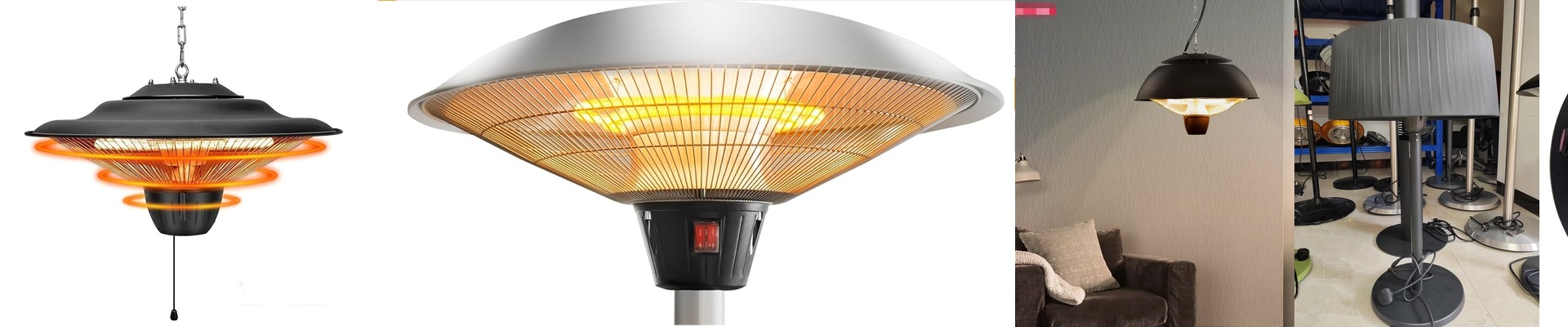
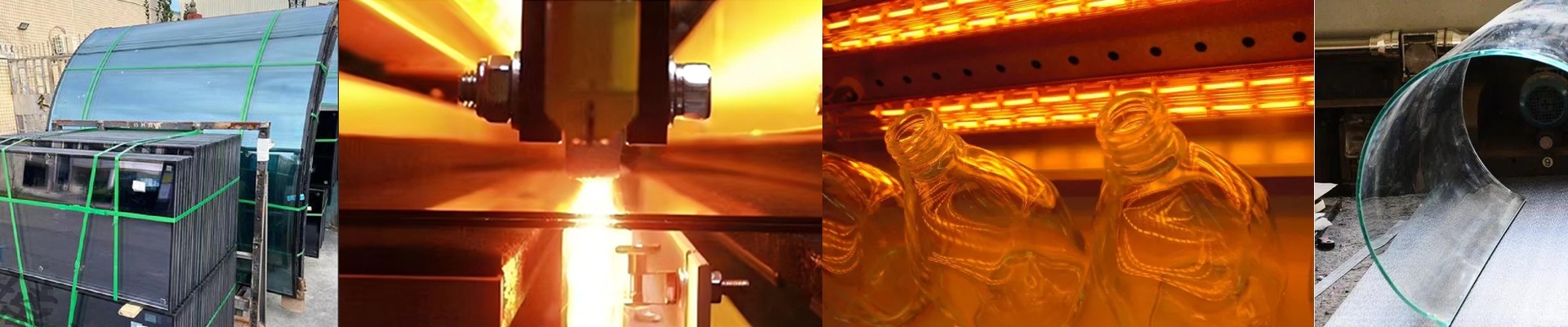
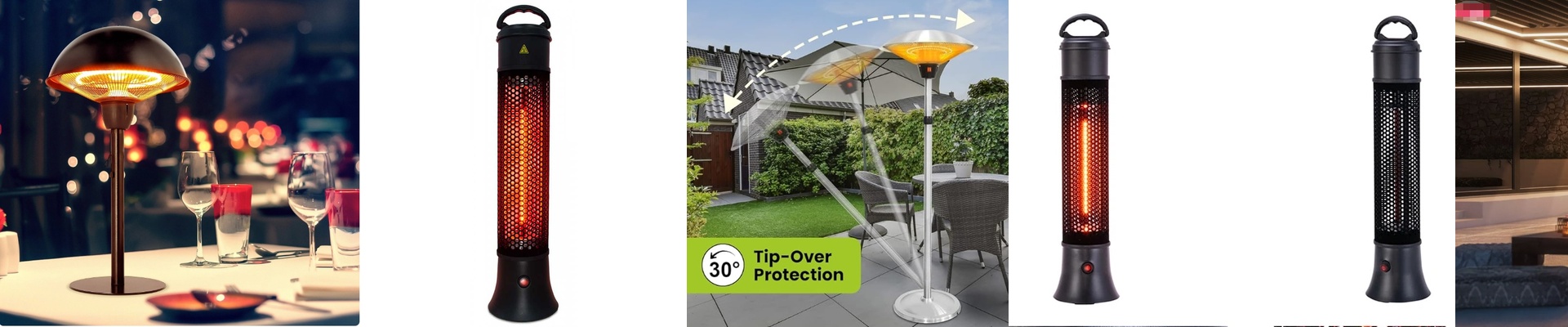
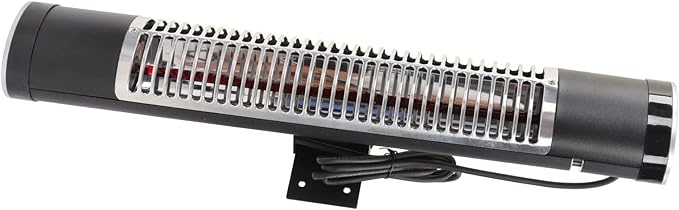
We build greenhouse electric heaters around radiant infrared, usually via a carbon fiber element or a quartz tube. Convection heaters warm air, and air leaks let that heat walk right out the door. Infrared sends energy straight to plants, soil, and benches—those warm surfaces then radiate heat back into the space. You get targeted warmth with far less waste. Most units run on standard 120V or 240V circuits, and the output is sized to match the greenhouse footprint. Many models include an adjustable thermostat and built-in overheat protection. If you want year-round flexibility, look for an IP rating that can handle humid conditions, and spec a sealed motor plus a corrosion-resistant housing.
Why infrared fits the greenhouse job
In a greenhouse, you’re chasing steady conditions, not a heat blast. Infrared electric heaters respond quickly, so you can hold a tight temperature band without the system constantly cycling on and off. That control helps reduce cold spots and condensation, which can ease disease pressure and keep crop results more consistent. And yes, it can trim the energy bill. Because infrared puts heat where it’s needed, you often run at lower overall power while the plants stay comfortable. Over a season, that efficiency shows up as fewer kilowatt-hours and fewer shocks when the utility bill lands.
The details that make it work
Installation matters. Position the heater to even out the temperature gradient—typically above walkways or near cold perimeter walls—and keep proper clearance to plants and materials. In larger greenhouses, zoning with multiple heaters usually outperforms trying to cover everything with one big unit. One trade-off: radiant heat warms surfaces, not air. In windy outdoor areas, you may need wind shielding or a complementary setup. Inside a protected greenhouse, that same focused warmth is exactly the advantage you want.