
The Heart of a Warm Living Room: Our 400V Halogen heater Tube
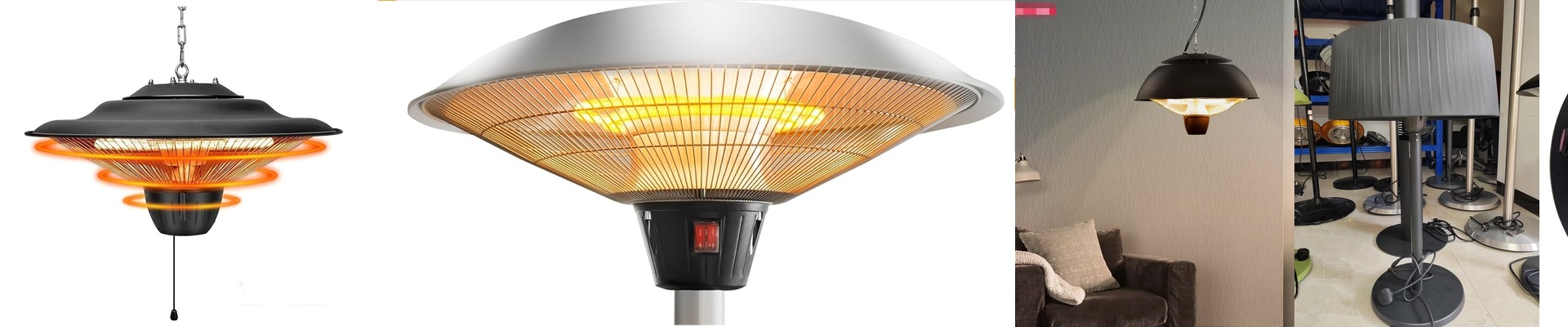
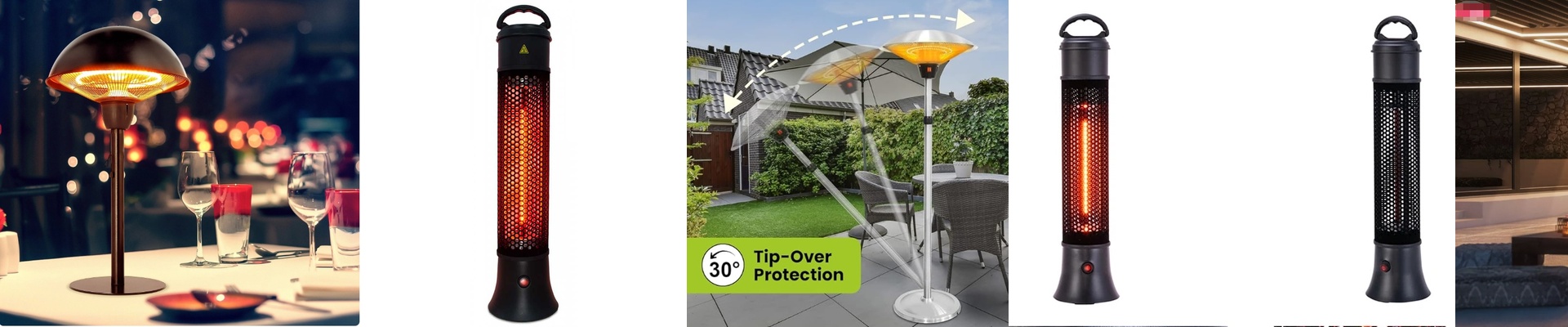
Let’s talk about the kind of warmth that hits you the second you flip a switch. The kind that feels immediate, not like you’re waiting around for the room to slowly give up the ghost. That’s what we built this 400V, 2500W halogen heater tube for. It’s the powerhouse behind compact living room heaters, designed to pack a serious punch in a small space. We focused on delivering dense, infrared heat that gets the job done fast.
What makes it tick?
Here’s the thing about the 400V rating. It’s not just a number. It’s a smart choice for systems that run on industrial or commercial power setups. It means less strain on the wiring, so you don’t need to overcompensate with bulky cables. And at 2500W? You’re getting serious heat density. This tube heats up fast, bringing the temperature inside the heater up quickly. Plus, it’s only 300mm long. That means it slips into tight chassis without a fight, so you can keep your design sleek and compact. When the system has proper airflow, it runs stable and strong.
Built to last
The tube itself is wrapped in a quartz envelope. That’s key. Quartz handles the extreme heat from the filament and shrugs off sudden temperature changes. Inside, a halogen gas fill keeps the filament stable, so the heat output stays consistent over the tube’s entire life. The R7s base is another thoughtful touch—it’s a simple, tough connection that’s easy to wire up and stands up to vibration. And the coating? It’s all about directing that infrared energy where you want it: into the reflector, not wasted on the socket.
The payoff in your living room
When you use this tube, the benefit is instant. You get that direct, radiant heat that people feel the moment they need it. It’s the kind of warmth that makes a room feel cozy in seconds. The compact size lets you design a heater that’s clean and saves space. And when it comes time for a replacement, the R7s base makes it a straightforward swap. Just one note—because it runs hot, you do need to make sure there’s enough airflow and heat sinking around the tube. That keeps everything running safely and prevents nearby parts from getting too hot.