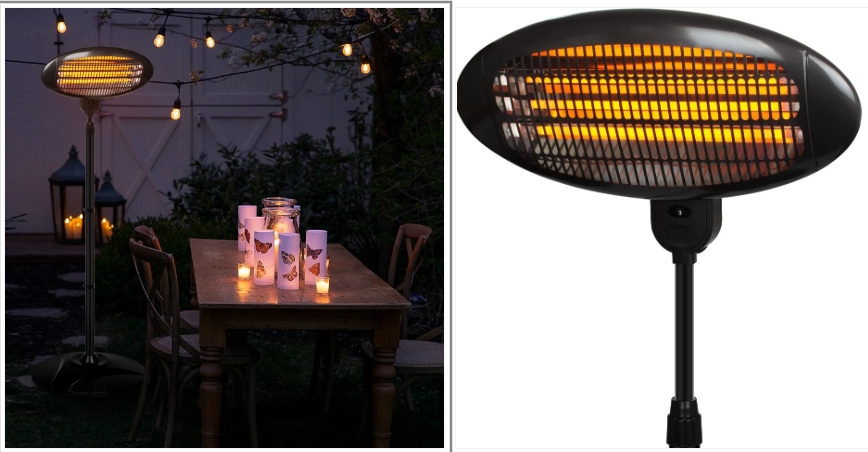
When a smart home calls for heat, comfort is the easy part. The hard part is control. If your heating element hangs onto heat, the whole system ends up chasing temperature swings—wasting energy while you wait. We built our infrared heaters around a simple goal: react fast, spend less.
What actually matters under the hood
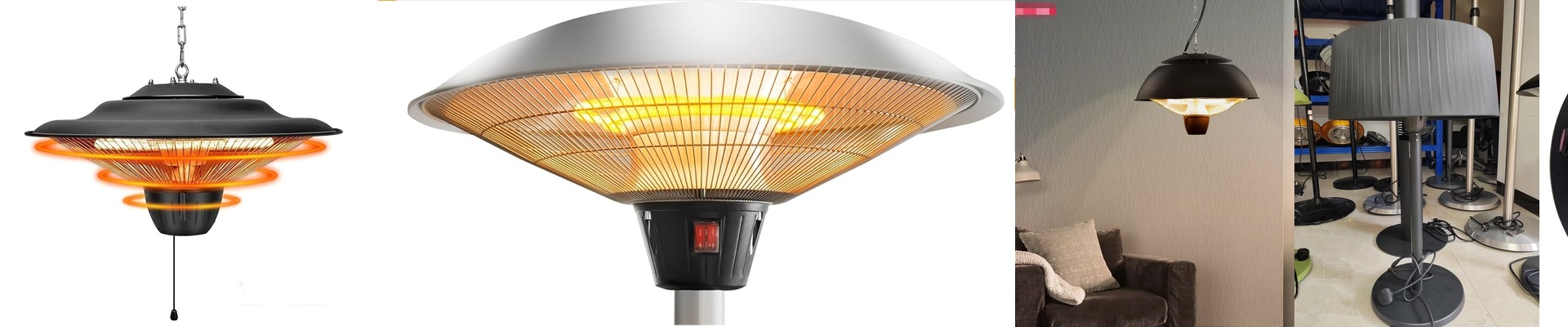
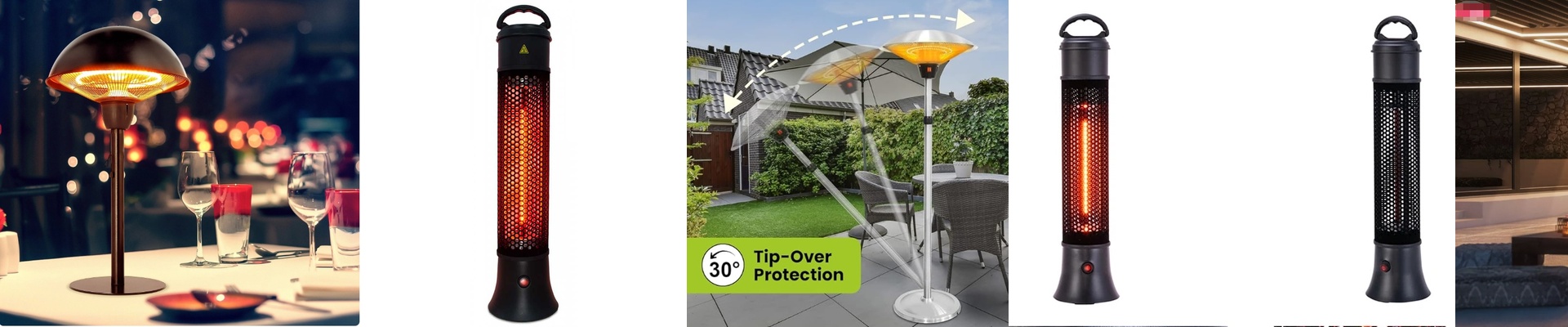
We run a low thermal inertia infrared element. In plain terms, it heats almost instantly and cools almost instantly. It hits target output in seconds, not minutes, and it stops the moment the thermostat says stop. That gives you tighter temperature control and fewer on/off cycles that bleed power during warm-up and cool-down. It’s also why our electric heaters play so well with smart home controls—they behave more like a light switch than a sluggish furnace.
Why this pairs with smart home energy plans
A smart energy plan is only as good as the hardware keeping pace with the software. Traditional elements keep radiating heat after the room is already warm, and the controller ends up overshooting. Our low thermal inertia infrared heat matches the room’s demand in real time, so the smart controller can run shorter, cleaner cycles. That means lower energy use, steadier comfort, and less wear on the whole system. You notice it as a room that stays even, not one that swings between hot and cold.
Practical notes from the install side
For the best performance, place the heater where the sensor has a clear view of the occupied area—not tucked behind furniture or stuck in a drafty corner. Most smart thermostats use 24V contacts or Wi-Fi control, so double-check compatibility before you start wiring. And because the element heats quickly, placement really does affect perceived warmth—direct line-of-sight gives the most immediate comfort.