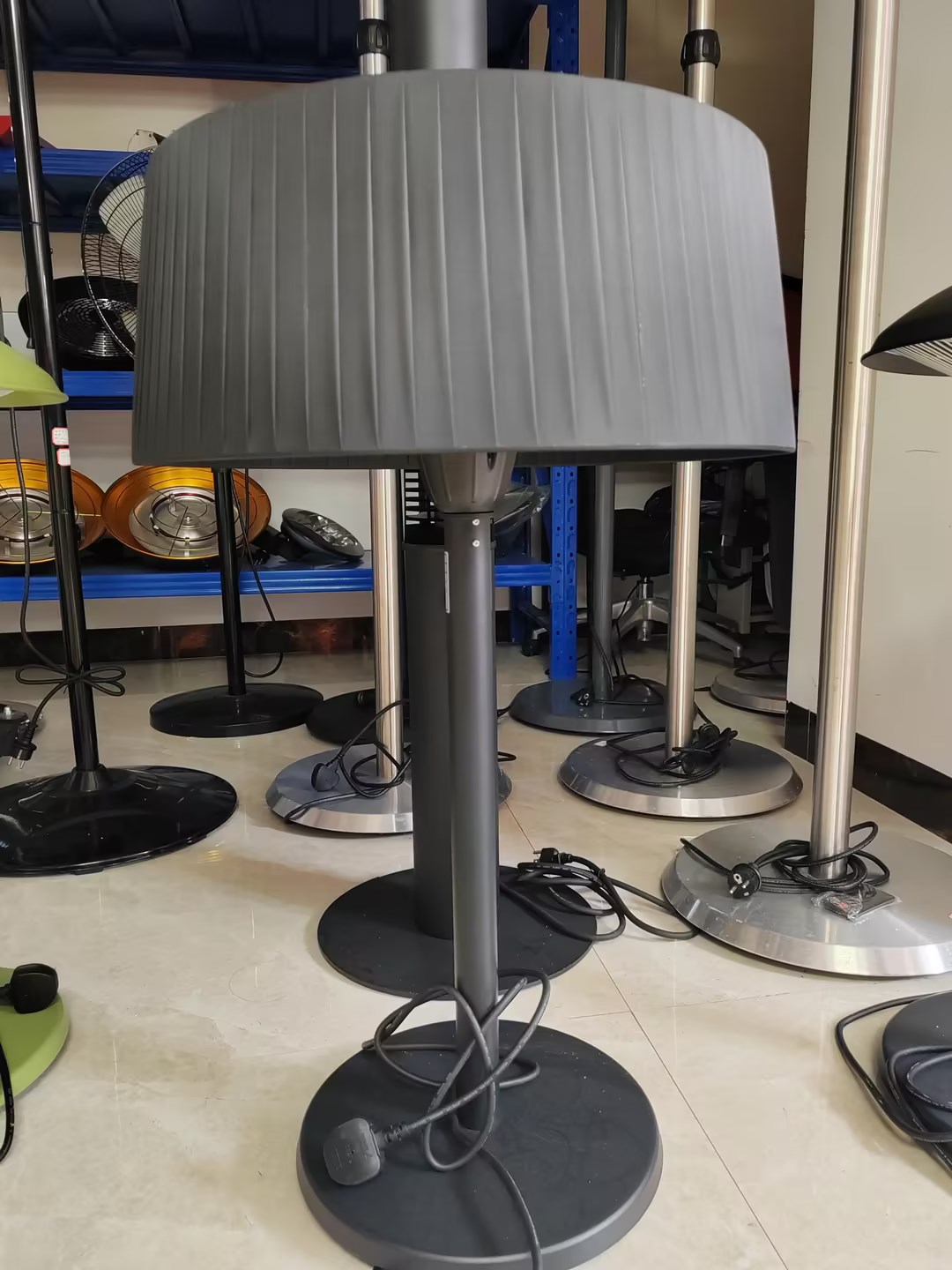
Stop Letting Your Patio Go to Waste in the Winter
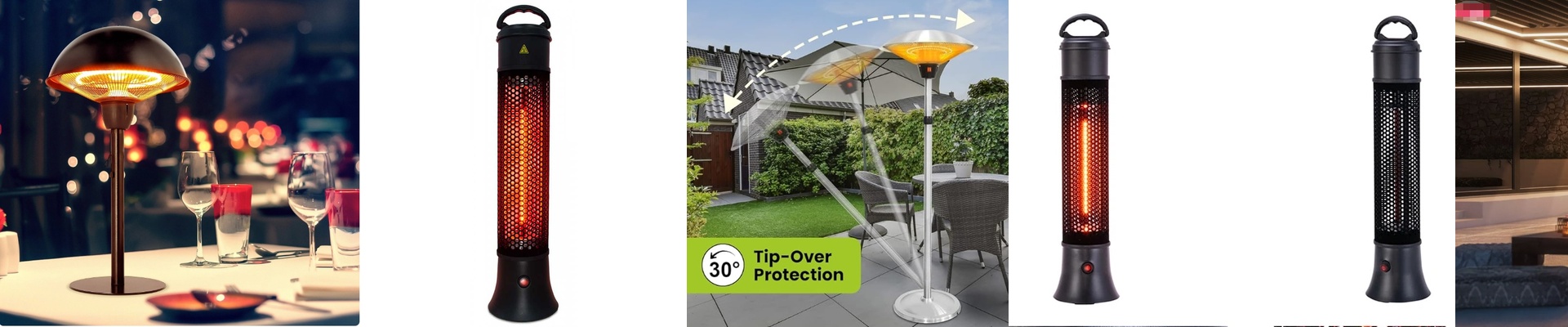
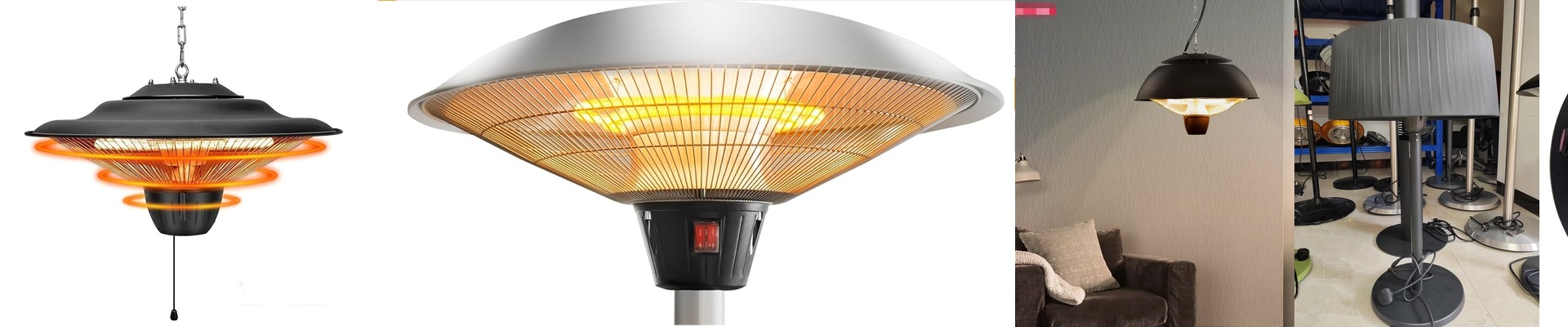
It’s a bummer walking past a beautiful outdoor dining area in December and seeing nothing but empty chairs. To a business owner, that’s not just a cold breeze—it’s money left on the table. But here’s the thing: you can actually fix the physics of your space. Most people think of heaters as things that warm up the air. The problem is, outdoors, the wind just carries that warm air away. Infrared heaters are different. They don’t bother with the air; they send heat straight to your guests and their chairs. It feels like sitting in a patch of sunlight on a crisp day.
Weather-proofing that actually works
If you’re putting gear outside, you know it’s going to get hammered by rain, snow, and wind. That’s why we stick with IP65-rated units. In plain English? It means the housing is tight. Dust can’t get in, and water can’t spray its way into the electronics. You can sleep easy during a midnight storm knowing you won’t wake up to a short circuit or a fried electrical panel.
Why “Shortwave” is the way to go
We use shortwave infrared for these setups. It’s fast. Really fast. The second you flip the switch, people feel it. Because it doesn’t rely on warming the air, a drafty corridor or a windy patio won’t kill the vibe. Your guests stay warm even when the wind is kicking up, which keeps them staying longer and ordering that extra round of drinks.
The bottom line (and the catch)
Turning an 8-month season into a 12-month season is a huge win for your bank account. You’re basically adding hundreds of hours of usable seating to your year. But, there is a catch. These heaters pull a lot of power. If you just plug a bunch of them into an old system, you’re going to trip your breakers right in the middle of the Friday night rush. Not a great look. Before you get started, have an electrician look at your panel. If your wiring is old, you’ll probably need an upgrade to handle the load. It’s a bit of a headache upfront, but it beats having the lights go out during your busiest shift.