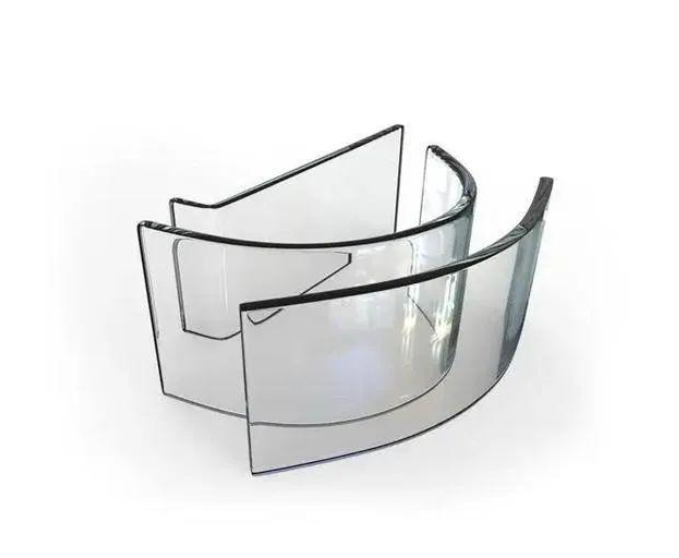
On the glass line, heat isn’t just a number on a pyrometer—it’s control. When the preheat or cure window drifts, you start seeing the telltale signs: stress marks on tempered parts, weak adhesion on laminated windshields, and low-e coatings that dry unevenly. Those aren’t just scrapped pieces. They’re downtime that stops the whole cell.
What actually matters
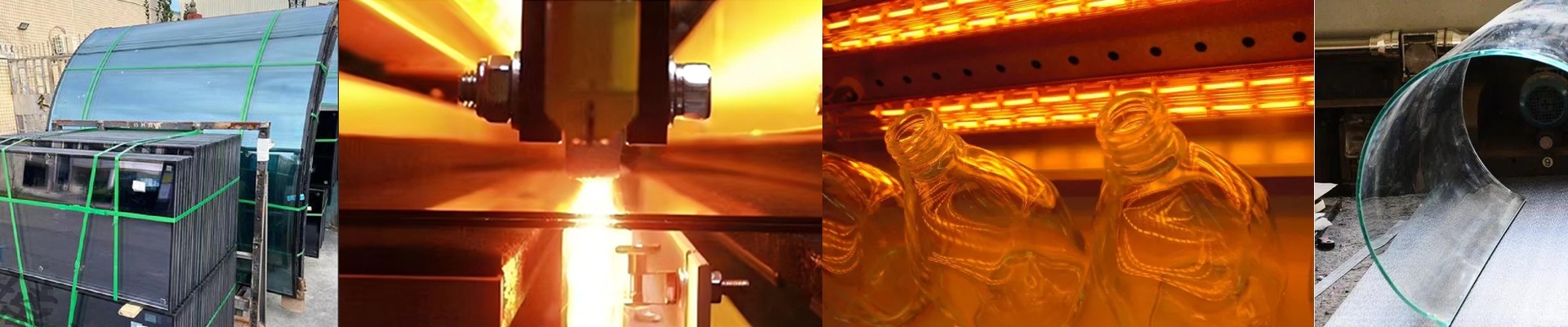
UV LED curing gives you a stable, repeatable energy dose with tight spectral output, so coatings and adhesives cure fast without cooking the substrate. IR curing—through quartz or NIR emitters—delivers high power density and quick thermal response, heating the glass directly instead of the air around it. That means a shorter thermal ramp, lower convection losses, and a cleaner energy profile. We size the module to match your line speed and the glass emissivity, so the heat profile lands on the curve you need instead of forcing you to chase it.
Why this plays well in real processes
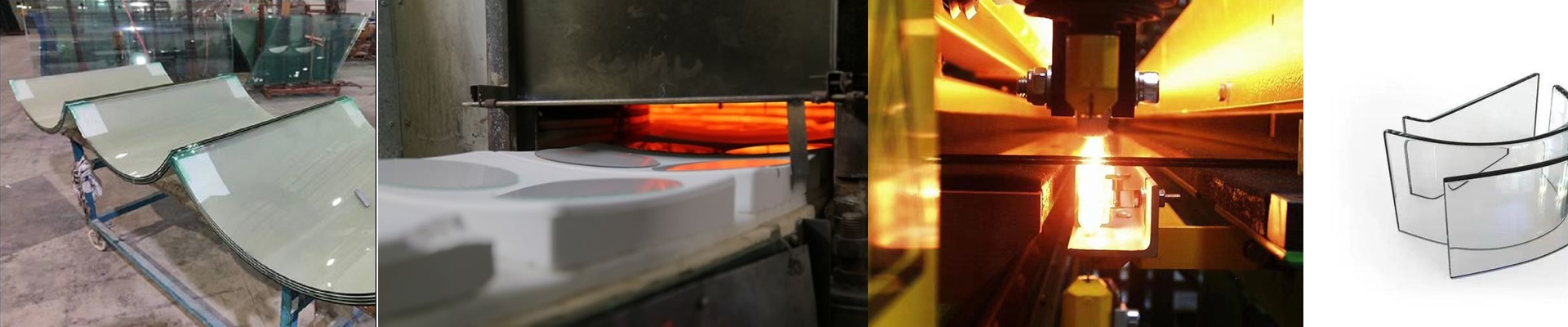
In tempering and bending, fast, uniform preheat shortens the cycle and lowers the risk of thermal shock. In EVA/SGP/PVB lamination, consistent curing improves bond strength and optical clarity, cutting rework from bubbles and inclusions. For coating drying and insulating glass sealing, precise IR and UV energy reduces moisture entrapment and tightens edge seal integrity. Energy use drops because the system heats the glass, not the whole plant. We’ve watched lines cut curing time while holding flatter parts and fewer stress fractures.
The practical details that save headaches
Compatibility isn’t optional. We supply drop-in replacement kits for common glass machinery brands, with exact-fit mounting and wiring so installation is non-destructive. Expect a short alignment and calibration window to lock in the focal plane and intensity distribution. One real-world note: UV LED output and IR emitter life depend on thermal management—cooling and clean airflow have to match the module, or performance will drift. Set that up, and the module runs long with stable output.