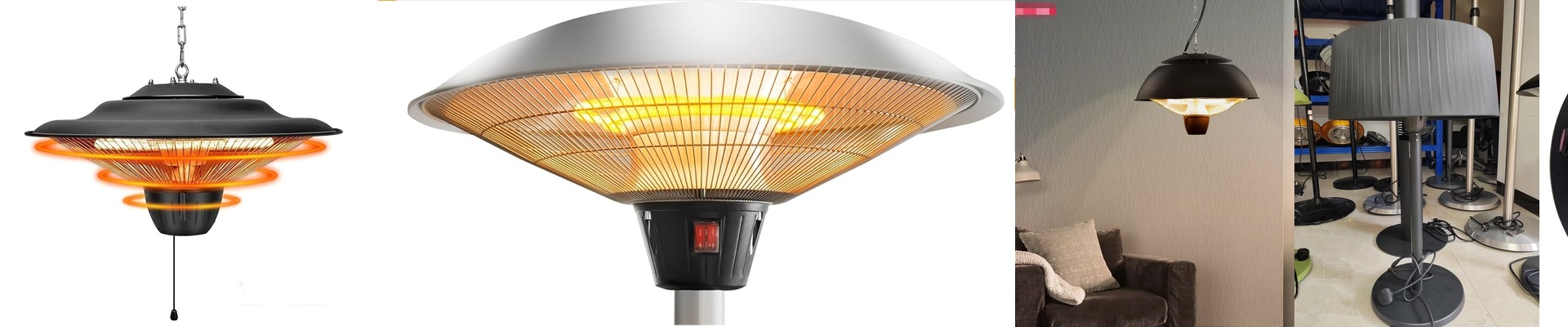
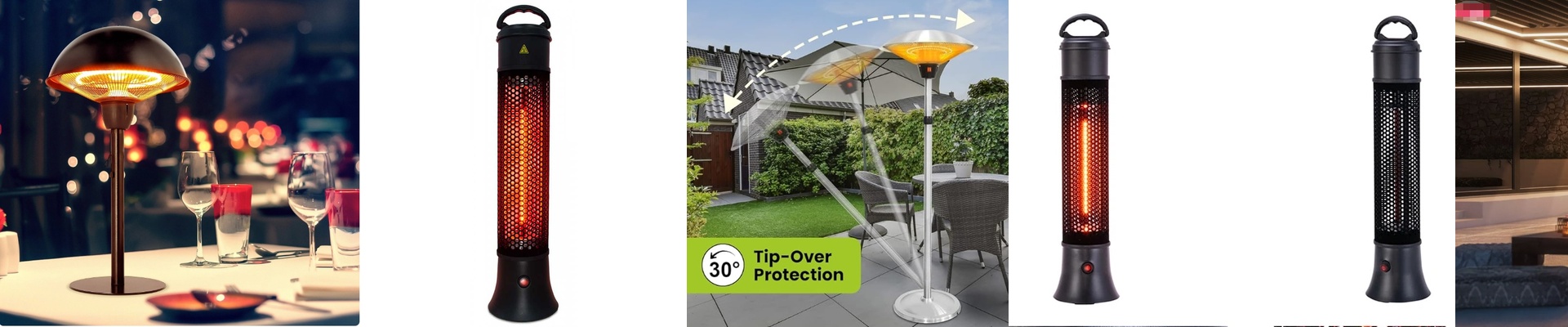

That thin layer of dust on your infrared personal heater? It’s not just cosmetic. It quietly steals output and drives your energy use up, because the element has to work overtime just to deliver the same comfort. The fix is simple: keep up with cleaning and basic care, and the heater will keep earning its keep year after year.
What’s actually going on inside
Infrared personal heaters warm people and objects directly, not the air. You feel the comfort faster, and you lose less heat to drafts. Inside, you’ve got a carbon fiber element or a quartz tube producing radiant heat, paired with a reflector that directs that warmth outward. In practice, the details matter. Look for an element rated for long cycles, a housing that stays cool on the outside, and built-in safety like tip-over protection. Many models plug into a standard outlet, and a thermostat helps hold your comfort level without the unit cycling on and off constantly.
Why this shines in real-world spots
Whether you’re in the living room, the workshop, or a covered outdoor corner, the payoff is immediate. A clean infrared heater hits target comfort quickly, so you’re not overrunning the system trying to chase warmth. Less wasted heat means more efficient energy use, and smoother cycling. Keep the surface and reflector free of dust, and you protect the components from overheating and early wear. That translates into steady output, fewer service calls, and a heater you can count on through cool mornings and long evenings.
The practical stuff that keeps it running
Before you wipe anything down, unplug the heater and let it cool. Use a dry microfiber cloth on the housing and reflector—skip harsh cleaners and sprays that can leave a film. Check the inlet vent and make sure it isn’t blocked, and keep the unit upright so internal components stay aligned. One real-world note: infrared heaters perform best in compact, draft-free personal spaces. In very large rooms, you may need multiple units or a different approach to keep comfort even.