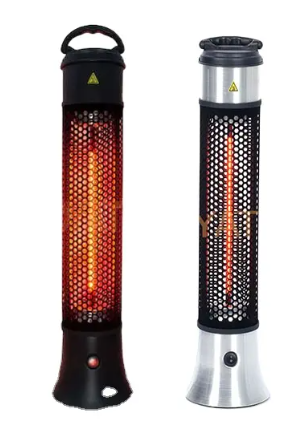
Why Infrared is Actually the Secret to a Better Bathroom
Most of us just want a bathroom heater so we don’t freeze the second we step out of the shower. But if you look under the hood, there’s some pretty cool stuff happening with infrared (IR) that goes way beyond just keeping your toes warm. Here is the thing about regular heaters: they try to warm up the air. The problem? Air is terrible at holding onto heat. Infrared lamps are different. Instead of fighting with the air, they send out waves that hit your walls, floors, and ceiling directly. It’s like the feeling of the sun hitting your skin on a cold day. When those surfaces actually get warm, water can’t settle on them. No condensation means no damp, chilly tiles. And that’s where the real win is: fighting mold. Mold is picky. It needs a bit of organic gunk, plenty of moisture, and a specific temperature range to really thrive. By keeping your walls above that “dew point” with IR lamps, you basically kill the “wet zone” mold loves. Plus, there’s a little extra bonus. Certain IR frequencies actually mess with the stability of fungal spores. It’s not a magic sterilization beam, but it definitely makes your bathroom a place where mold doesn’t want to live. But you can’t just throw the most powerful lamp you can find in there and call it a day. If you put too much power in a tiny room, you’re asking for trouble. You could actually scorch your plastic fixtures or put too much stress on your ceramic tiles. It’s all about balance—matching the lamp’s strength to the size of your space. My best advice? Pair the lamp with a simple exhaust fan. The IR lamp dries the surfaces, and the fan kicks the moisture out of the house. It’s a simple setup. Your walls stay bone-dry, and you get to actually enjoy your morning routine without the shivers.