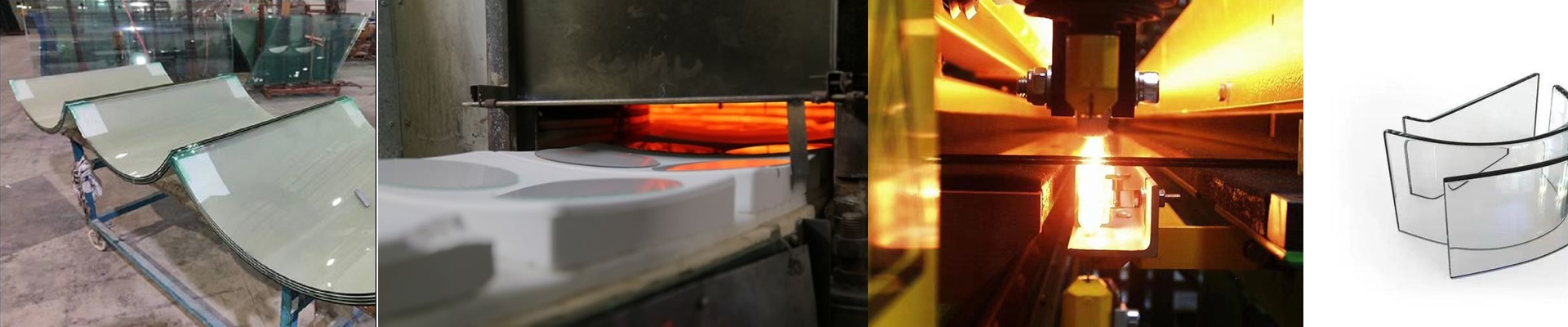
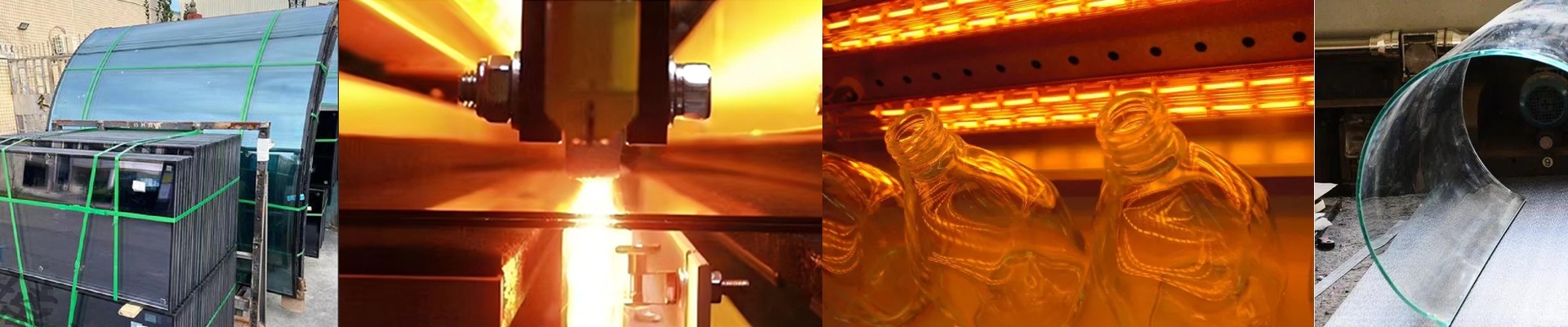
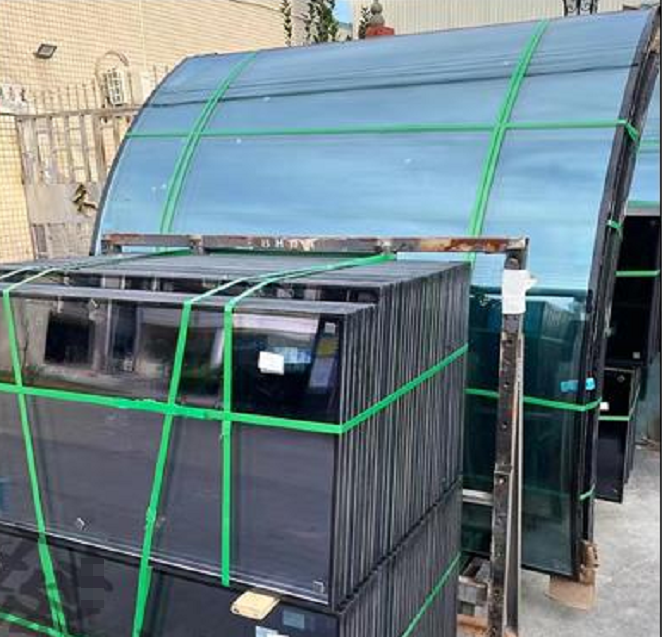
On the line, a slow cure isn’t just downtime—it shows up as rejected panes and schedules that slip. When glass paint cures unevenly, you get thermal stress, edge warp, and adhesion that fails in inspection. Or worse, after it leaves the plant. Infrared heaters cut through that. They put heat where it matters—straight into the coating—without turning the whole shop into a sauna. What matters under the hood We build these units around short-wave quartz emitters, tuned to match the absorption band of modern coatings. That keeps the energy in the film, not the glass, so you get a fast temperature rise without soaking the substrate. Output is configurable in standard power densities, with dense heater arrays that lay down a uniform thermal field across the pane. Control stays simple: closed-loop temperature feedback keeps the profile consistent, shift after shift. The heaters run on industrial voltages, drop into existing busbar and mounting footprints, and take the heat, dust, and humidity that come with glass processing. Why this plays on the floor In production, the payoff is straightforward. Curing time drops, so your coat-to-ship cycle tightens without adding ovens or floor space. Because the heat is directional, you avoid hot spots and sharp thermal gradients—the kind that can trigger stress fractures during tempering and bending. Energy use falls, too. Infrared heats on demand, not continuously, and scales with line speed. You’ll see fewer touch-ups, more consistent adhesion, and a process that holds its setpoint even when ambient conditions drift. Here is what to watch Installation is easy, but alignment is not optional. The emitter array has to be parallel to the glass and set at the right standoff distance. Get that wrong, and you’ll pay for uneven cure and ghosting. We offer drop-in replacement modules and adapter kits for common glass machinery brands, so you can upgrade without cutting frames or re-routing utilities. One constraint: infrared curing is line-of-sight. Complex part shapes may need multiple heating zones or a hybrid approach. Match the profile to the coating, verify emissivity, and the results stay repeatable.