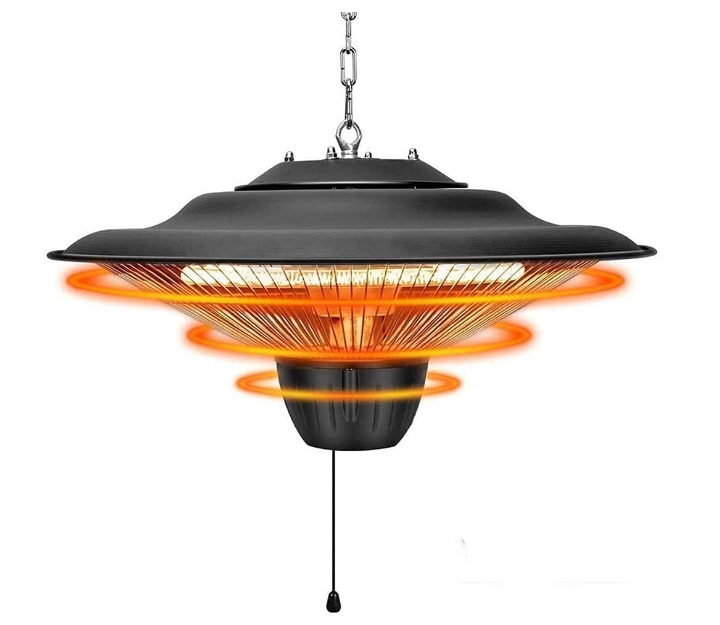
Stop the Bathroom Damp: Why Infrared Actually Works
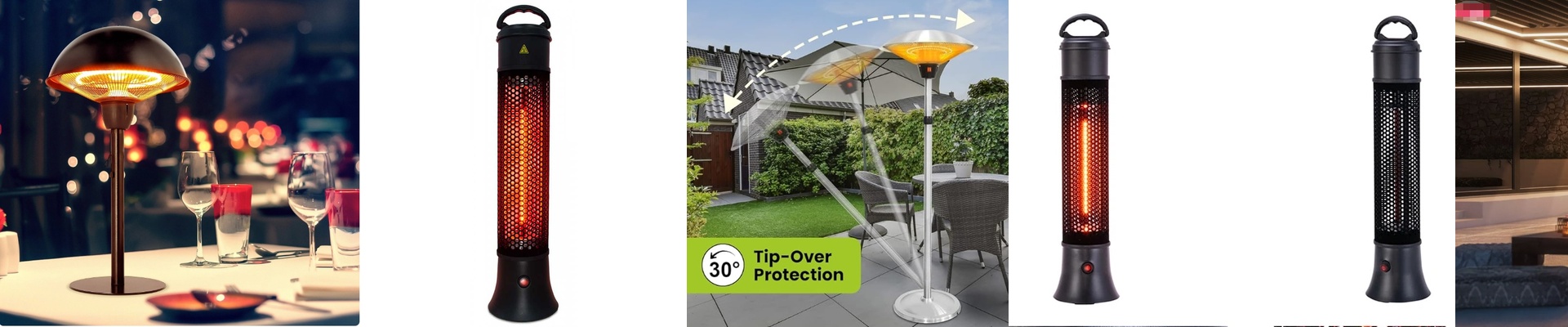
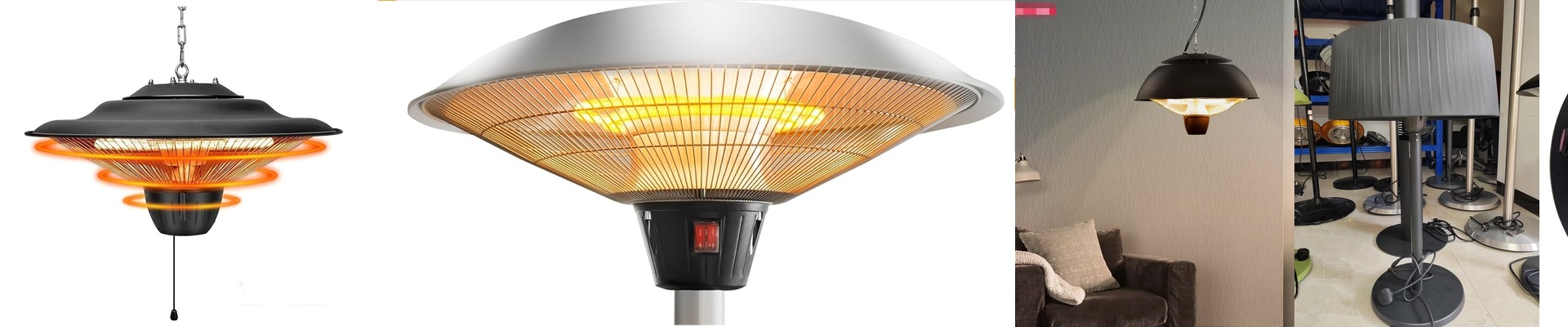
Most people think those bathroom heat lamps are just there to keep you from shivering when you step out of the shower. But there’s a bit more going on under the hood. If you’ve ever dealt with that annoying layer of condensation on your walls, you know that standard heaters usually don’t help. They just warm the air, which often makes the dampness cling to your cold tiles even more. Here’s the trick: infrared doesn’t care about the air. It goes straight for the surfaces. By hitting your tiles and grout with short and medium-wave heat, the surfaces stay warm. Since they stay above the “dew point,” the water simply can’t settle. It’s like keeping a sidewalk dry in the rain. Plus, this heat actually sinks into those porous materials. It pushes the moisture out from the inside, which is the best way to keep mold from moving in and taking over your shower. About the gear Now, putting electricity in a room full of steam is usually a recipe for disaster. That’s why we use IP55-rated hardware. In plain English? It’s built to handle dust and splashes from any angle. You can basically spray the unit down and not worry about blowing a fuse. We use quartz-halogen tubes because they’re fast. Really fast. You don’t have to wait ten minutes for the room to warm up; you flip the switch, and you’re feeling the heat in seconds. A few things to watch out for It’s not all magic, though. These lamps pull a decent amount of power. If you’re planning to put three or four of them in one small bathroom, just double-check your breaker so you don’t trip the power every time you take a bath. And here’s a pro tip: keep the reflectors clean. Soap scum and dust love to build up on those mirrors. If the reflectors get cloudy, the beam loses its focus, and you lose that dehumidifying effect. A quick wipe-down every now and then keeps everything working exactly how it should.