Introduction
Here’s the thing: we built these infrared heating tubes to last. For engineers who just want solid, high-density heat—without the headache of piecing things together on site. The whole idea? Take you from a single lamp to a fully integrated, pre-bent heating module that shows up ready to run. No fuss. No field assembly. Just a thermal subsystem you can drop in and get on with your day.
Technical Deep-Dive: Power, Voltage, and Geometry
Infrared output comes down to two things: electrical density and geometry. We spec our tubes to give you predictable heat flux, so you can hit your process temperatures without overbuilding the whole system. Voltage and wattage are matched to your control gear, so it runs steady under real-world load. And the tube length? The footprint? That’s chosen to match exactly what you’re heating—whether it’s a thin line or a bigger area. Now, a compact, high-wattage tube concentrates a lot of energy in a small spot. That means fast heat-up. But it also means your machine’s cooling has to be up to the task. If the surrounding components can’t shed heat, the system starts to drift, and the lamp runs hotter than it should.
Material & Design: Quartz, Coating, and Connections
The tube body is quartz, plain and simple. It handles thermal shock well and stays steady in the infrared spectrum. The halogen design keeps the filament temperature consistent, so output stays consistent. And the coating? It’s tuned to match how common industrial materials absorb heat, which helps the whole system perform more efficiently. On the electrical side, we stick with proven connectors—like R7s and Sk15. They give you a secure, low-resistance connection that holds up to vibration and repeated maintenance. The goal is simple: quick replacement, solid contact, and no intermittent faults after the first service.
Application & Benefits: Ready-to-Run Modules
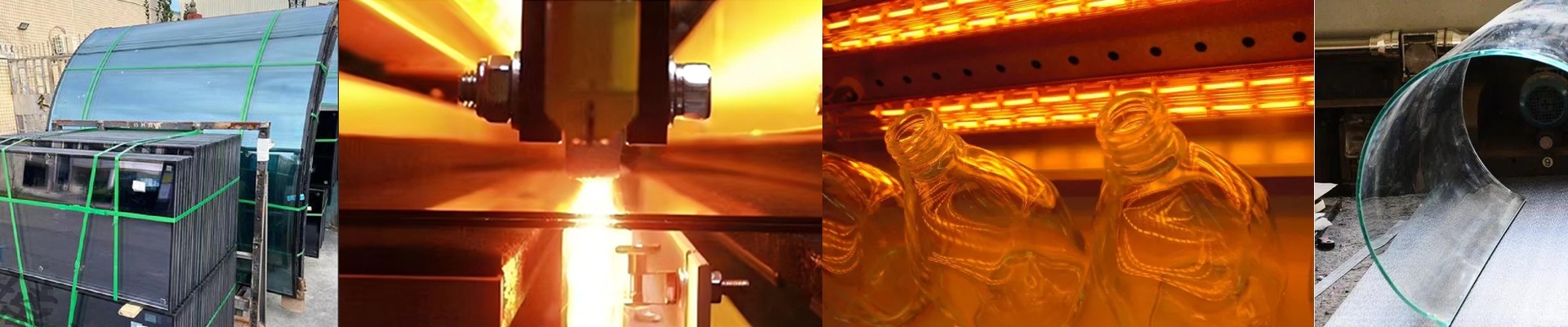
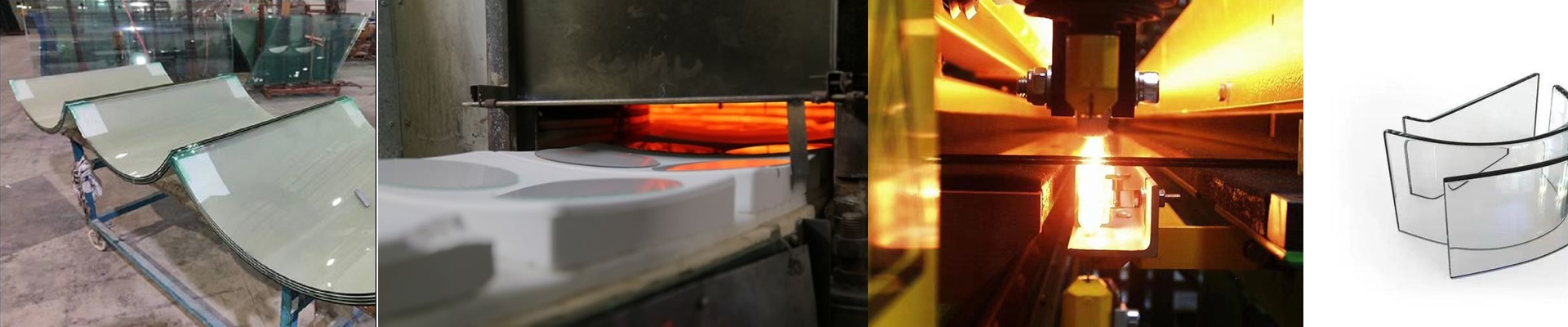
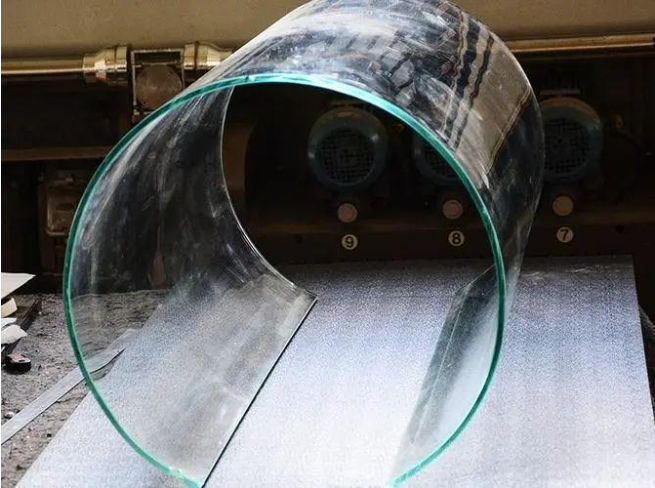
The real win? The pre-engineered module. We pre-bend the tubes, mount them, and terminate the wiring in-house. So what arrives is a complete heating unit that installs in one step. That cuts down on labor and wipes out the on-site bending and fitting that slows everything down. This isn’t just a box of parts—it’s a thermal subsystem that performs the same way every time. Fewer field errors. Repeatable results. And it scales cleanly across production lines. Yes, the upfront integration asks for a little planning around mounting and cooling. But the payback is fast—more uptime, less maintenance, and a solution that just keeps working.