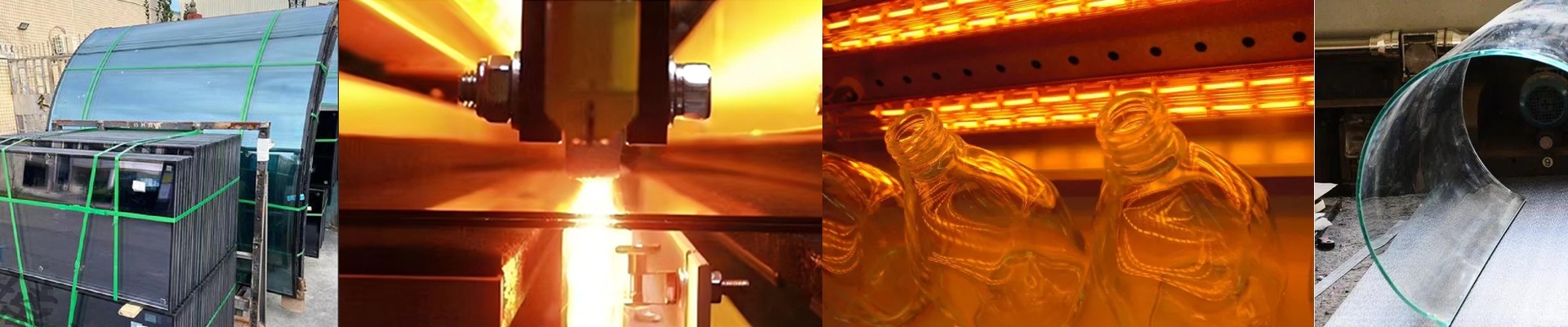
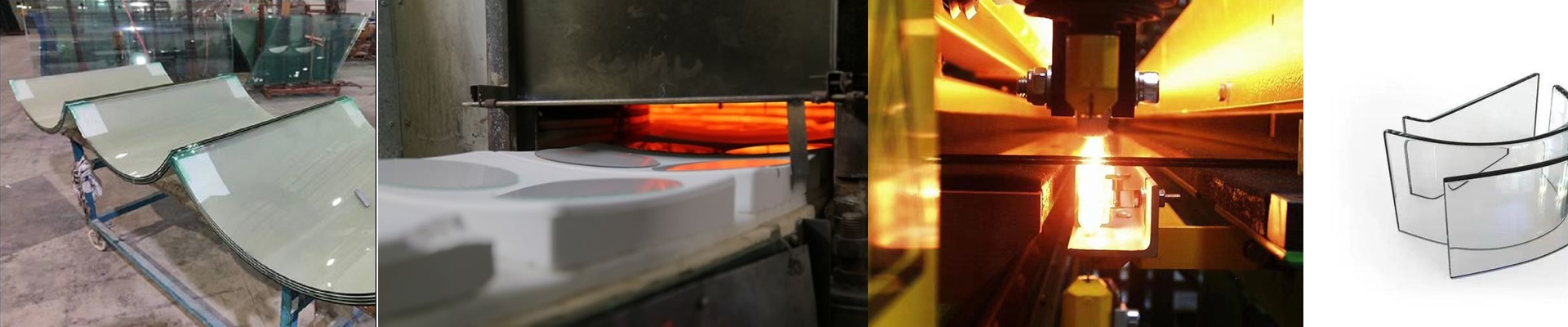
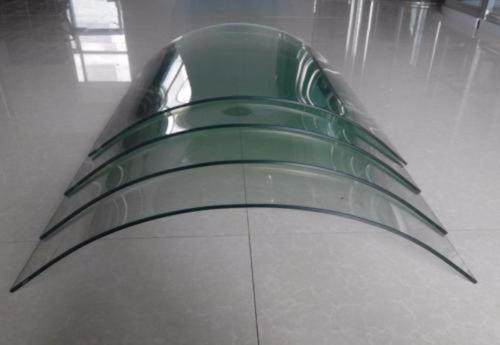
On the shop floor, marine tempering lines run hot and fast, but the salt air and constant humidity chew up standard heaters. Coils go down, thermal profiles drift, and output wanders. You know what that means: scrapped panels and schedules that slip away. When the heating element can’t keep up, the quench station gets inconsistent glass, and the line stops chasing tolerances. What matters under the hood For marine glass, we lean on quartz short-wave emitters. They snap to temperature and give you tight control right where you need it—in the tempering zone. The layout keeps the thermal field stable across the glass, so stress distribution stays predictable through the heat-to-quench cycle. We tune output density to match the float thicknesses typical of marine glazing, and match voltage and wattage to the line’s power bus and controls. Emitter geometry and the mounting interface are built as a drop-in module, so you can swap elements without reworking the machine profile or realigning the whole heating section. Why this holds up in a corrosive shop Marine tempering is all about repeatable heating in a harsh environment. Quartz elements spool up fast and carry low thermal inertia, so the furnace hits setpoint quickly and holds without overshoot. That cuts temperature-related rejects, keeps bow and optical quality consistent, and keeps throughput up on big orders. Energy stays in check because the heat goes where it counts—onto the glass—cutting waste heat in the frame and ductwork. The practical details you can’t skip These heaters are built for marine tempering, but you still need proper airflow and shielding to manage salt exposure and condensation. Check mounting dimensions and terminal layout against your existing brackets and busbars; mismatched hardware turns into hours of unplanned downtime. Schedule periodic inspections of insulation and seals, and keep spare emitter modules on the shelf so you can change over fast when production peaks.