Getting the Heat Right in Your Bathroom
Picking the right infrared lamp isn’t about following a rigid chart. It’s more about a simple balance: how much heat is escaping the room versus how much you’re pumping in. If you go overboard with the wattage, you’re just throwing money away on your power bill and making the room feel like a sauna. But go too low? You’re still shivering when you step out of the shower. Neither is a great way to start the morning.
Finding Your Number
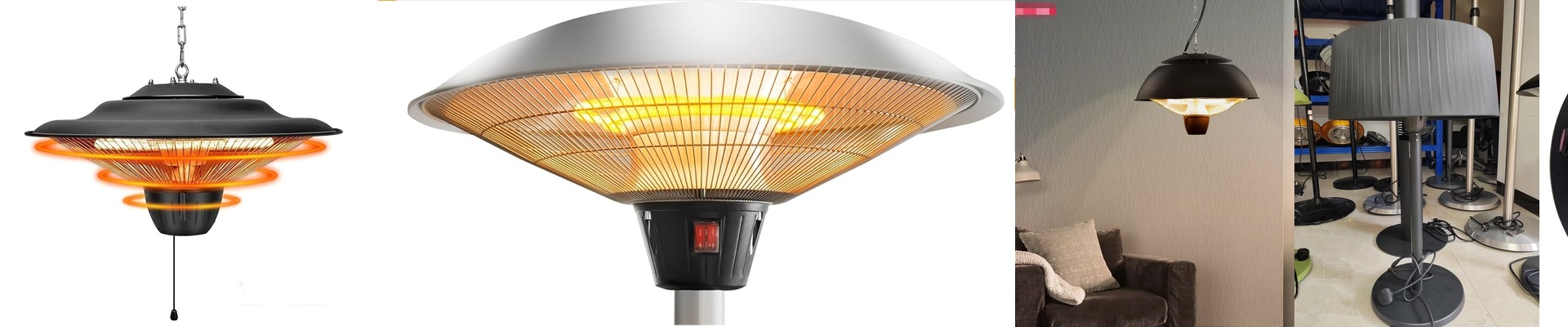
If you’ve got a tiny bathroom—think under 4m²—you don’t need a powerhouse. A 250W to 500W lamp usually does the trick because small spaces warm up fast. Now, if you’re dealing with a huge master bath or one of those open-concept wet rooms, you’ll probably need to bump it up to 800W or 1000W. But here is a pro tip:don’t just buy one massive lamp. It’s much better to spread a few smaller lamps across the ceiling. That way, you don’t end up with one “scorching zone” while your toes are still freezing. You want that warmth to actually reach the floor before it vanishes.
The Trade-offs
More wattage means more heat, but it also means more stress on your electrical system. Before you go for the biggest lamp on the shelf, just make sure your wiring can handle the draw. Nobody wants to trip a breaker mid-shower. Then there’s the kind of heat. Shortwave lamps hit you instantly. They’re fast, but they can feel a bit aggressive if they’re too close to your head. Longwave lamps are gentler and feel more natural, though they take a minute longer to get going. To get the best of both worlds, I usually suggest mounting them at least 2.2 meters up. It keeps the heat comfortable and spreads it out better.
The “Real World” Stuff
First things first: waterproof ratings. This is the one place where you can’t cut corners. Make sure your fixtures are IP44 or higher, or you’re asking for trouble. Placement is just as important as the wattage. Think about where the air moves. If you plop a 500W lamp right next to your exhaust fan, you’re basically paying to heat the air only for the fan to suck it straight outside. Put the lamp away from drafts, and you’ll actually feel the difference.