Why we basically try to kill our bathroom heaters in the lab
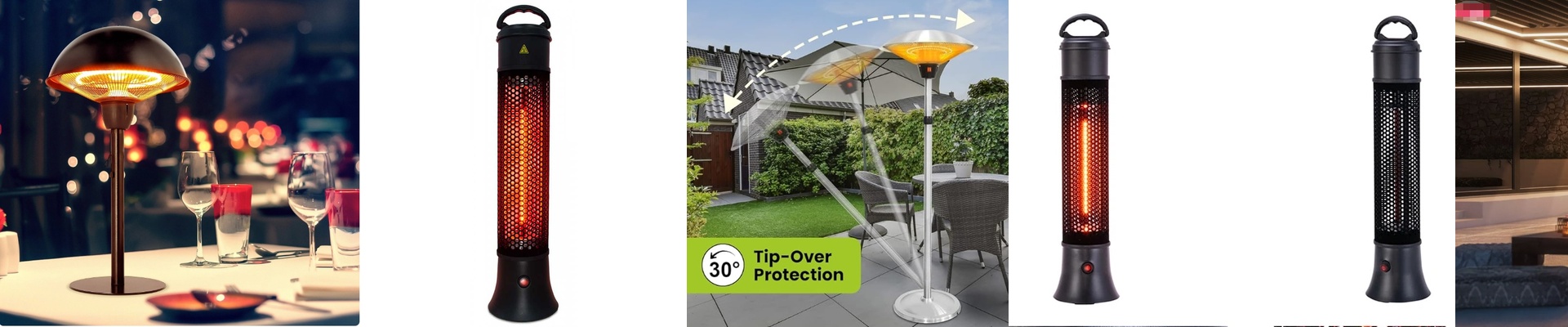
Let’s be honest: bathrooms are a nightmare for electronics. You’ve got thick steam, sudden temperature jumps, and constant moisture hanging in the air. It’s the perfect recipe for an electrical short. We aren’t interested in guessing if a heater will hold up. Instead, we put them through “damp-heat aging tests.” In plain English? We force them to fail in the lab so they don’t fail in your home.
The battle against steam
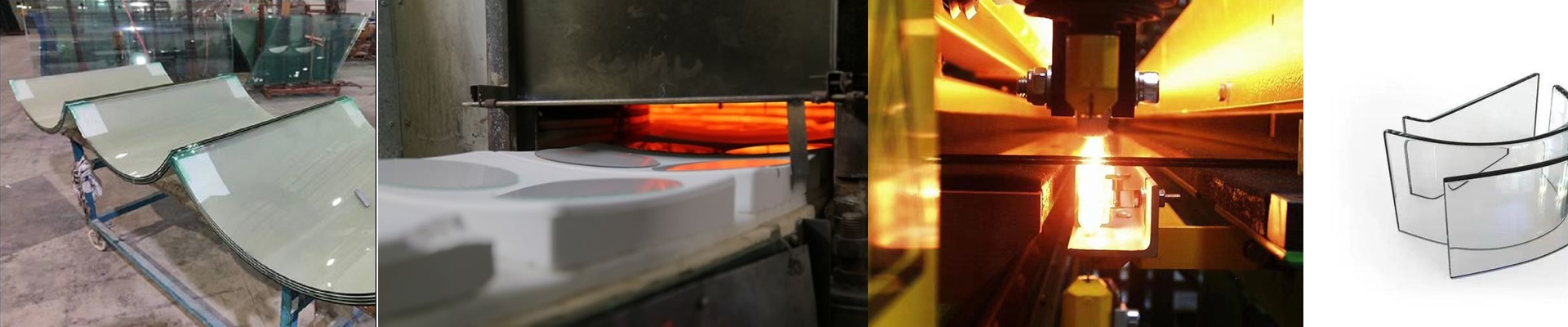
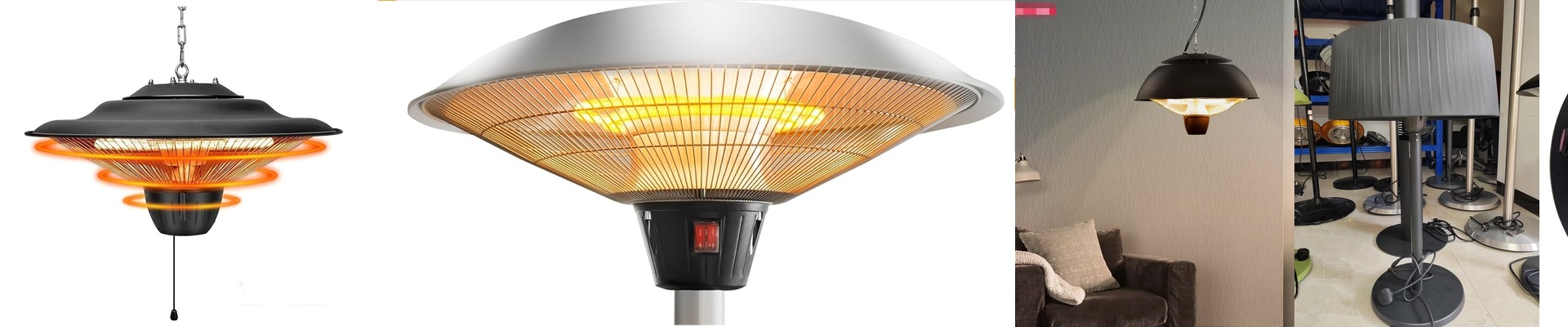
Most of these infrared lamps use quartz glass and tungsten filaments. Quartz is great for heat, but the real trouble is the seal—that tiny spot where the glass meets the metal. That’s where the moisture sneaks in. Once water vapor hits the powered parts, you get oxidation or a short circuit. By running these aging tests, we can simulate years of steamy showers in just a few weeks. It’s the only way to know if that seal is actually doing its job or if the lamp is just going to burn out way too soon.
Watching for the “creep”
We don’t just leave them in a humid room. We push the units to their absolute limit, cycling between high humidity and max heat. We’re looking for something called “creepage.” This is when moisture creates a thin film on the insulation, and electricity starts tracking across the surface where it shouldn’t. If that happens, the unit becomes a safety risk. We set high standards for our seals, but the test is how we prove the manufacturing is actually tight.
The balancing act
Here is the tricky part: you can’t just make the seal “perfectly tight.” If the seal is too rigid, the quartz tube can actually snap when it heats up. Why? Because glass and metal expand at different speeds. It’s a constant tug-of-war. We spend a lot of time tweaking the gasket compression so the lamp stays watertight but still has enough “give” to handle the heat without cracking the moment you flip the switch. We share our actual test data because “waterproof” is a word that doesn’t mean much anymore. We’d rather just show you exactly how many hours of damp-heat endurance the heater actually survived.