Keeping Your Outdoor Heaters From Dying in the Rain
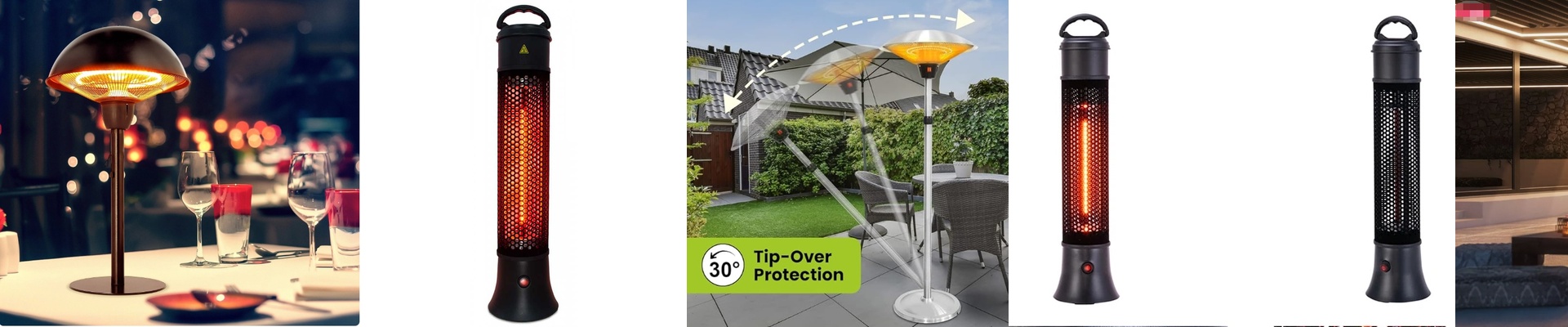
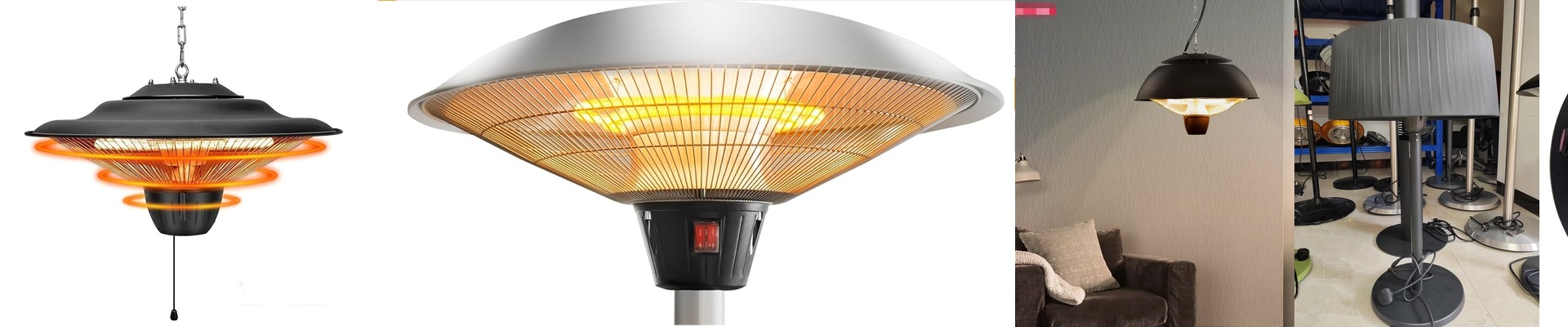
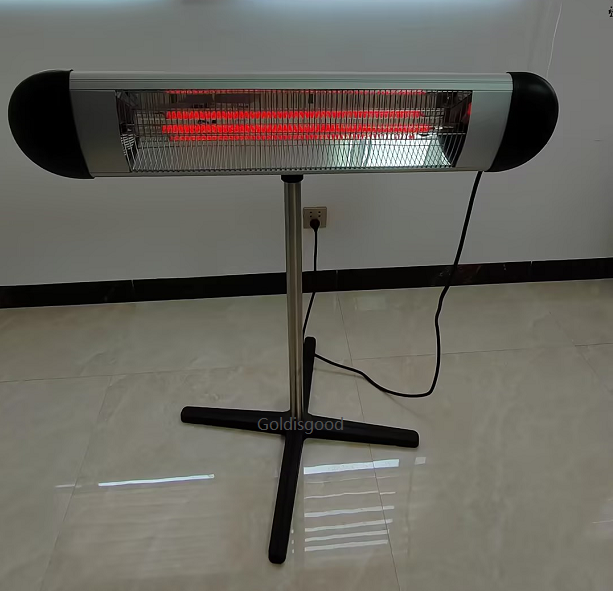
If you’ve ever run a nightclub patio, you know the deal. It’s a brutal environment. You’ve got humidity, condensation, and the occasional splash from a drink or a sudden downpour. Most standard infrared lamps just can’t hack it. Moisture sneaks into the electrical contacts, and before you know it, you’ve got a short circuit or a burnt-out filament. It’s a headache nobody needs mid-shift. That’s why we built our units to actually handle the wet stuff. The battle against fog Here’s the thing: when you flip on a heater in the damp air, that sudden jump in temperature creates a localized fog. It’s not just annoying to look at. That condensation settles right on the quartz tube and the electrical terminals. To stop that, we use sealed gaskets and hydrophobic coatings. Basically, we make the critical parts “water-hating” so the moisture just slides off. It keeps the wiring dry and stops the corrosion that usually eats through connectors in a single season. Stopping the shatter We didn’t just slap a plastic cover on these things and call it a day. We looked at where the water actually gets in. If a cold drop of water hits a scorching hot quartz tube, the thermal shock can literally crack the glass. Boom. No more heater. So, we designed the housing and the splash guards to deflect droplets away from the tube. Whether it’s a rainstorm or a clumsy staff member with a spray bottle during cleaning, the lamp stays intact. A quick heads-up on setup Now, these protections are great, but they aren’t magic. Because the housings are sealed tight to keep water out, they trap a bit more heat around the internal electronics than an open-air unit would. You just need to make sure you leave some breathing room when you mount them. Give them a bit of airflow. If they’re crammed too tight, the internal controllers might overheat and trip the thermal cutoff right when your guests are freezing. A little bit of spacing goes a long way. It’s the difference between a cozy patio and a constant stream of technician visits.