
Why Your Outdoor Heater Actually Lasts (And Why Most Don’t)
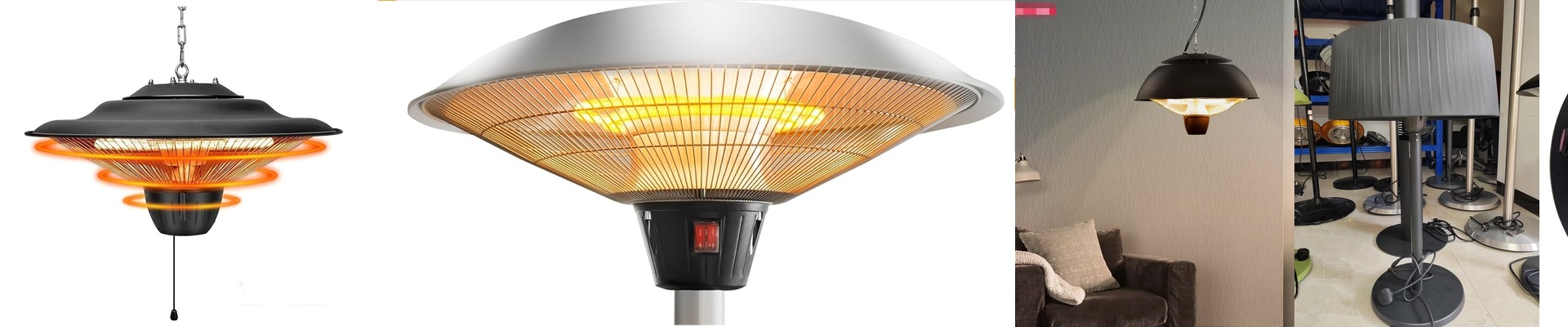
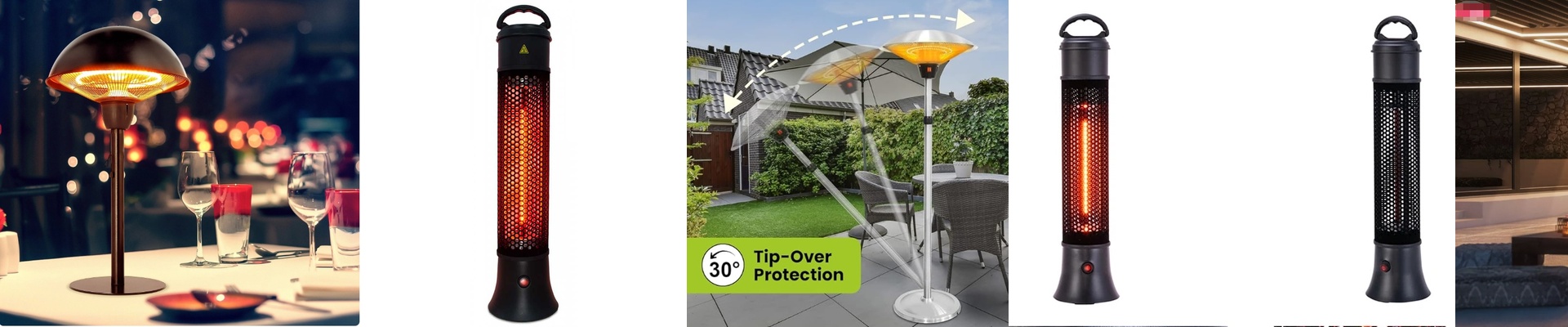
Let’s be honest: the outdoors is a nightmare for electronics. Between the humidity, the random rain showers, and those annoying temperature swings, most outdoor heaters are basically ticking time bombs. Usually, they die because moisture sneaks into the housing or condensation builds up on the heating element. One bad storm, and you’ve got a short circuit or a burnt-out unit. We got tired of that. So, we built our waterproof patio series to actually handle the elements.
Keeping the Water Out
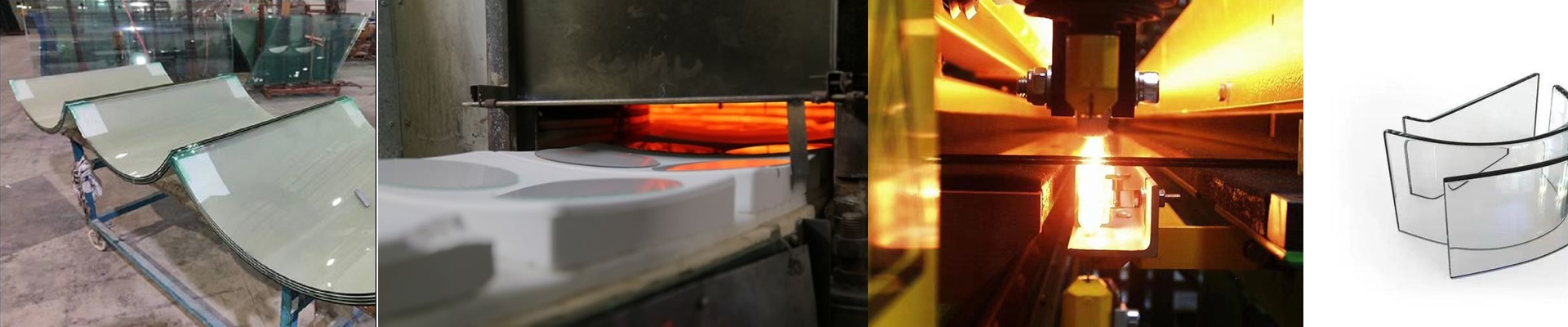
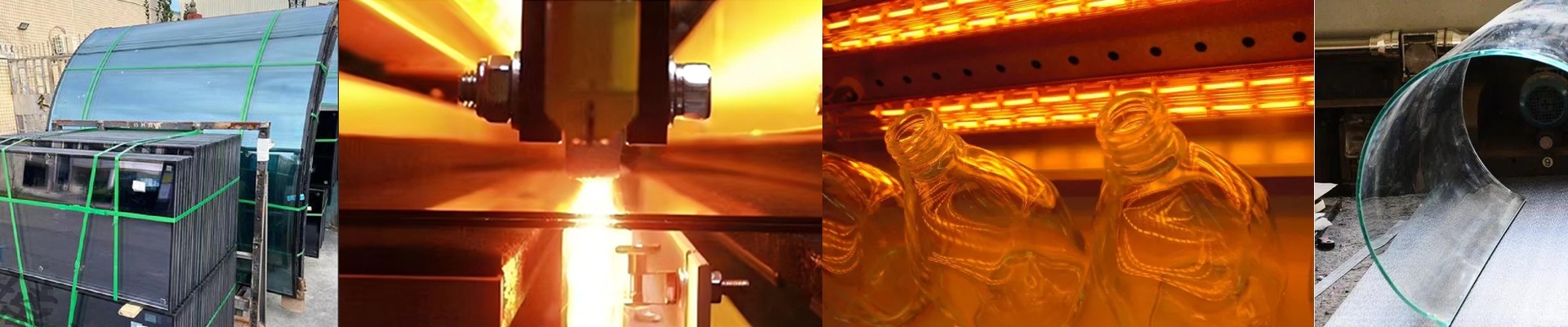
We didn’t just slap some rubber on the edges. We used specific IP-rated seals around the electrical junctions and the lamp housing. It’s a splash-proof setup that keeps rain and mist away from the wiring. Here’s the thing: when moisture creeps into high-voltage terminals, it creates a path for electricity to go where it shouldn’t. By locking those entry points down, we stop that from happening. Then there’s the fogging issue. If dew settles on a hot infrared tube, you get these little cold spots. When the glass expands and contracts unevenly because of those spots, it cracks. Simple as that. To fix this, we used special coatings and a housing shape that keeps the surface clear. No droplets, no cracks.
The One Catch
There is a trade-off, though. When you seal a system this tight to keep water out, you lose some of that natural airflow. Heat builds up inside the chassis a bit faster than it would in a cheap, open-frame heater. Because of that,**give your mounting brackets some breathing room.**If you pin the heater too flush against a wall, the heat sinks can’t do their job, and you’ll keep triggering the thermal cut-off switch. Just leave a little gap, and you’re golden.
What This Means for You
At the end of the day, we’ve shifted the “breaking point.” Instead of waking up after one winter to find a fried circuit board or a shattered tube, you’re only dealing with the normal wear and tear of the filament. It just makes the whole thing reliable. You can toss these into high-traffic areas and not worry about having a maintenance crew on standby every single day.