Stop Fighting Bathroom Mold: The Secret is in the Heat
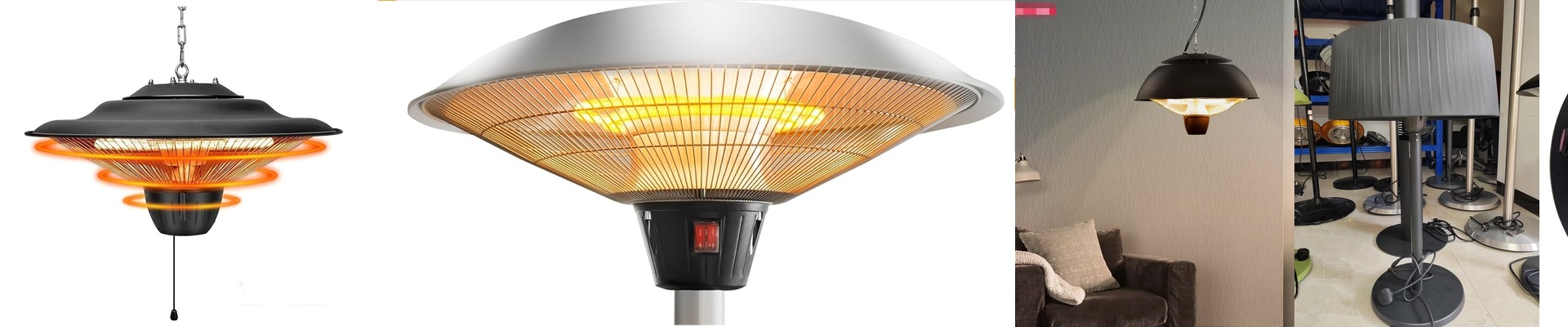
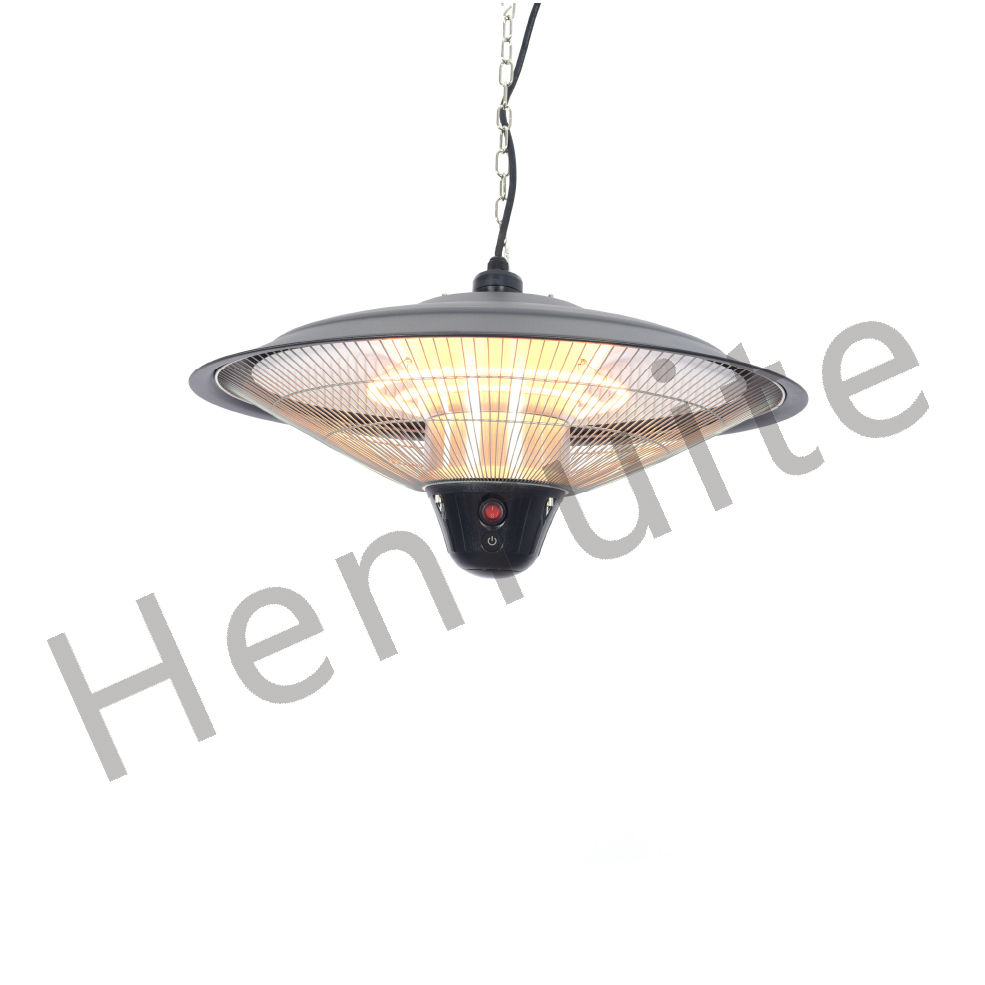
Most people see those infrared lamps in the bathroom and think, “Oh, a heater. Nice and cozy.” But we look at them a bit differently. To us, they aren’t just about keeping you warm while you’re in a towel—they’re actually tools for fighting moisture.
Getting the water out of your walls
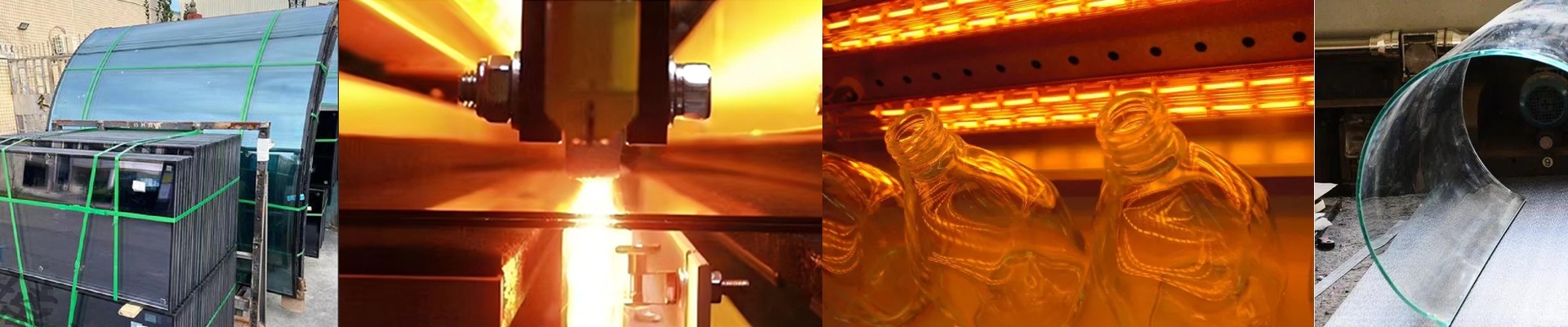
Here’s the thing about standard heaters: they just warm up the air. That’s fine for your skin, but it doesn’t do much for the dampness hiding in your grout or the pores of your tiles. That’s why we use short-wave infrared. Instead of heating the air, it goes straight for the water molecules trapped in your surfaces. It basically shakes them until they evaporate. When your walls and floors stay dry, mold doesn’t have a place to live. It’s simple physics, but it saves you from scrubbing grout with a toothbrush for three hours on a Saturday.
Built for the steam
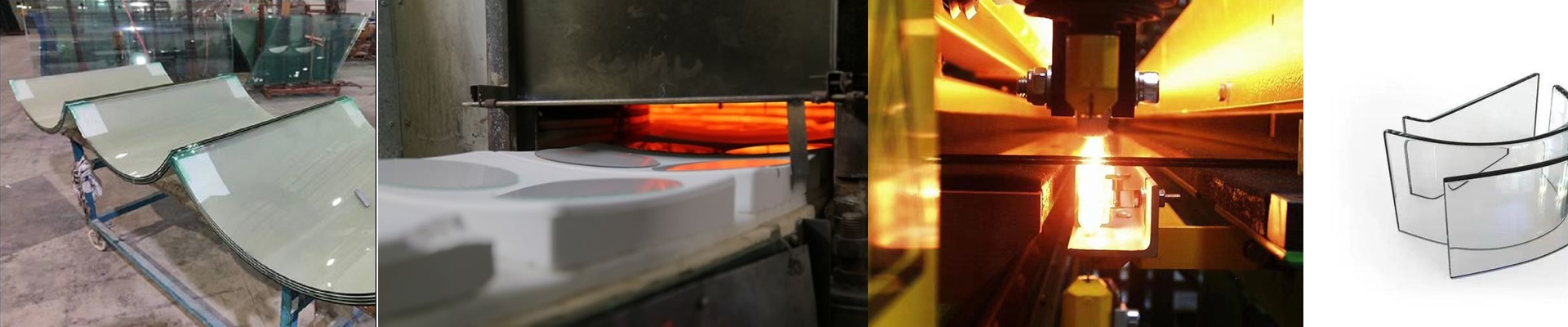
Bathrooms are brutal on electronics. Steam gets everywhere. To stop that, we seal these units tight. We use IP-rated seals so the electricity and the steam never meet. We also use quartz glass for the tubes. These things can jump from freezing to 500°C in a heartbeat without snapping. **One word of caution, though:**these lamps pack a punch. The heat is concentrated. If you mount one too close to a plastic shelf or some cheap PVC piping, you’re going to warp your fixtures. Give them some breathing room.
A few pro tips for the long haul
Short-wave lamps are the fastest way to dry out a room, but they can burn out if you just blast them at full power all day. If you want the lamp to last, don’t just leave it on. Hook it up to a timer or a humidity sensor. That way, once the room is dry, the lamp shuts off. It saves your electricity bill, and more importantly, it keeps the filament from frying. Everyone wins.