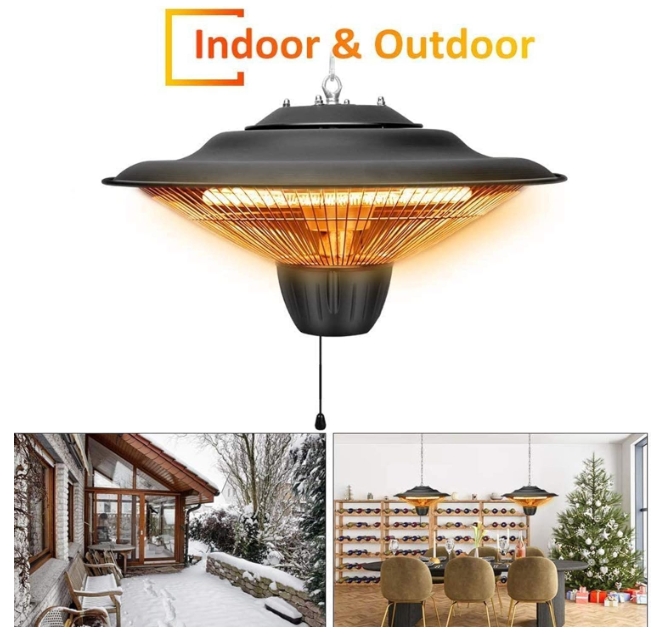
Getting Your Bathroom Heat Just Right: A Quick Guide to Infrared
If you’re picking out infrared lamps for your bathroom, there’s one big thing to keep in mind: infrared doesn’t actually warm up the air. It warms you. It’s like stepping into a patch of sunlight on a cold day. But here’s the catch. If you go too light on the wattage, that warmth disappears before it even reaches your shoulders. Go too heavy, and you’re basically wasting electricity—or worse, risking a scorched ceiling.
Let’s talk about your ceiling height
The gap between the lamp and the floor changes everything. If you’ve got a tiny powder room (under 4m²), a single 250W to 400W short-wave lamp usually does the trick. It’s simple and effective. But if you’re dealing with a big master bath or those fancy vaulted ceilings, you’ll need more punch. A good rule of thumb? Add about 150W to 200W for every extra square meter. And if your ceilings are higher than 3 meters, don’t try to skimp. You’ll need high-output lamps or a few smaller ones spread out. Otherwise, you’ll be standing there wondering why you’re still shivering.
The trade-offs you should know
Higher wattage is great because it’s fast. A 600W lamp kicks in almost the second you flip the switch. But watch your wiring. You don’t want to trip your breakers just because you wanted a warm bathroom. Make sure your circuit can handle the peak load when everything starts up at once. Also, we usually suggest short-wave infrared. It cuts through steam and moisture way better than long-wave options, which is exactly what you want in a shower room. Just remember: these things get hot. Give the fixture plenty of breathing room so you don’t burn a hole in your ceiling.
A smarter way to save energy
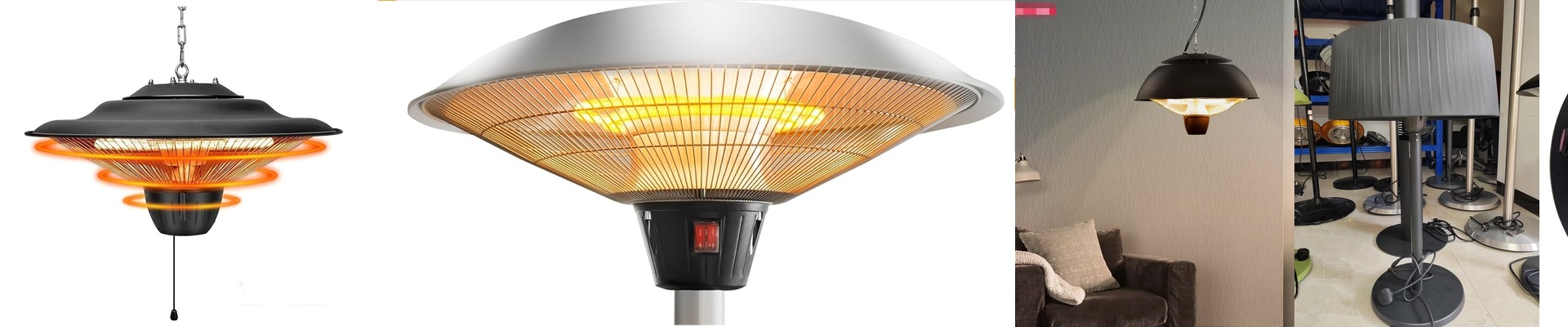
Here is a pro tip: don’t just slap one massive, monster lamp in the middle of the room. Instead, try a “zoned” setup. Three 300W lamps spaced apart feel way more natural than one giant 900W unit. You avoid those weird “hot spots” where it’s boiling in one corner and freezing in the other. Plus, you only have to turn on the heat where you’re actually standing. It’s a much easier way to keep the electric bill down without sacrificing that cozy feeling.