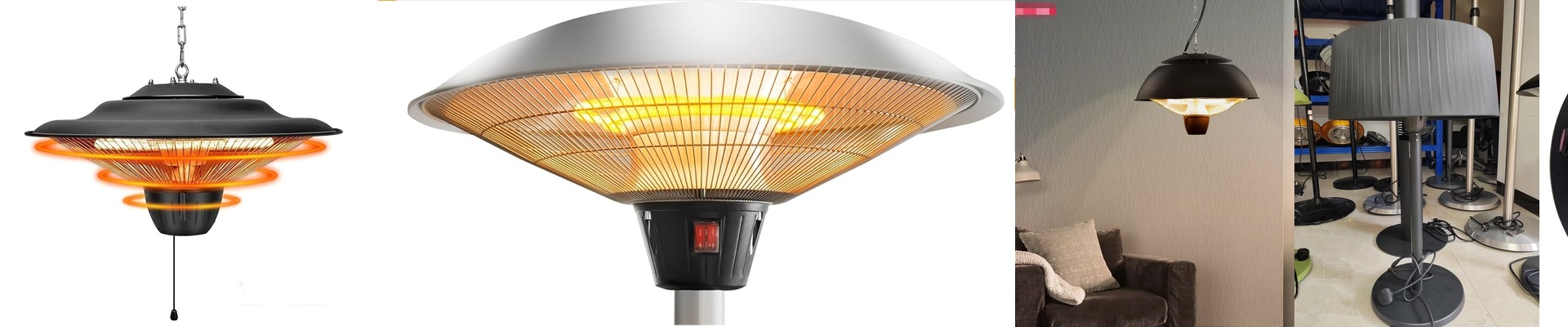
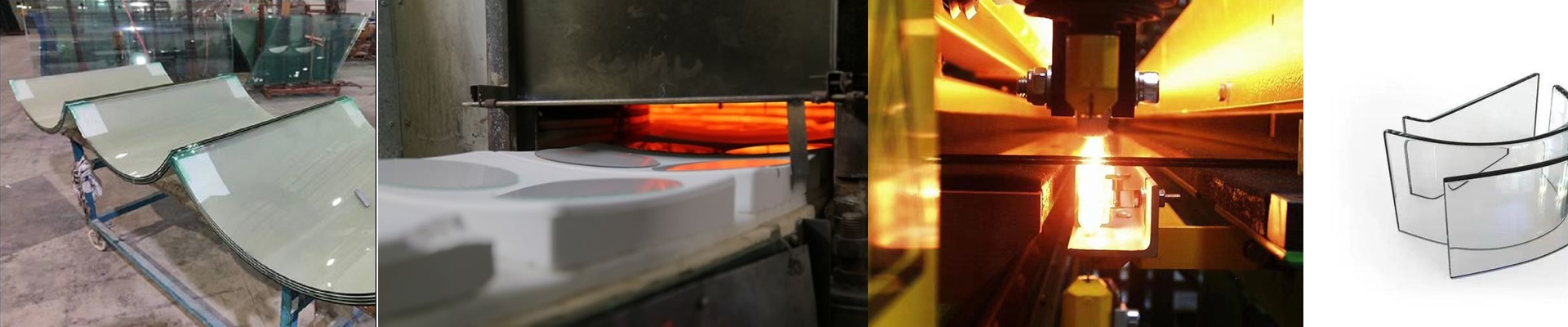
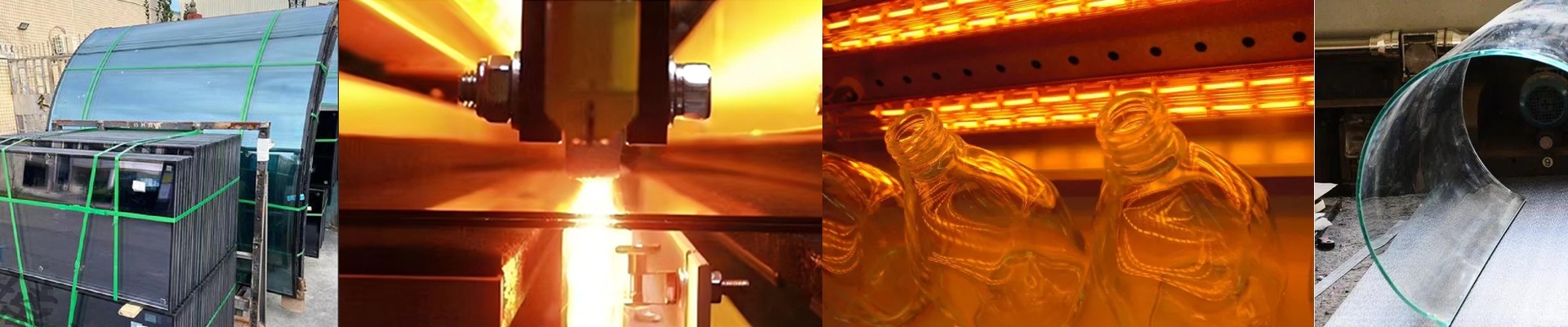
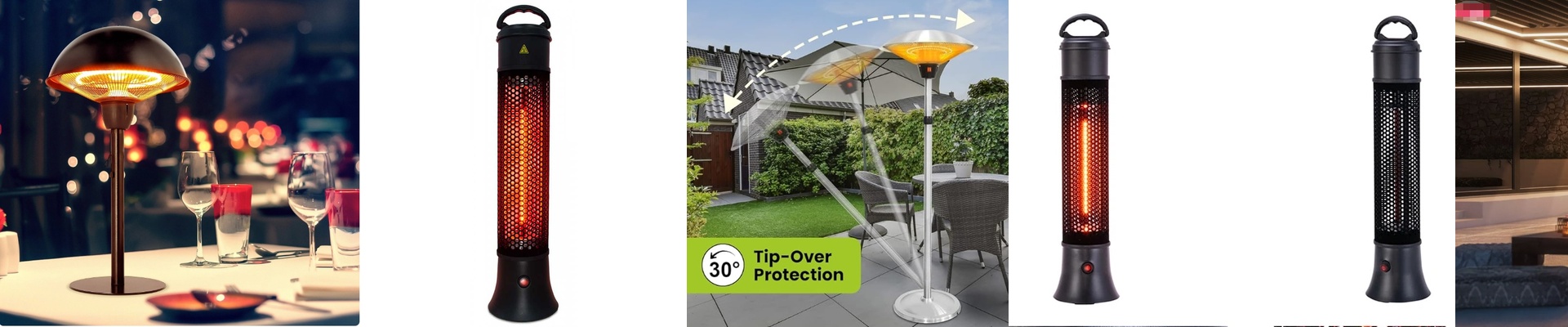
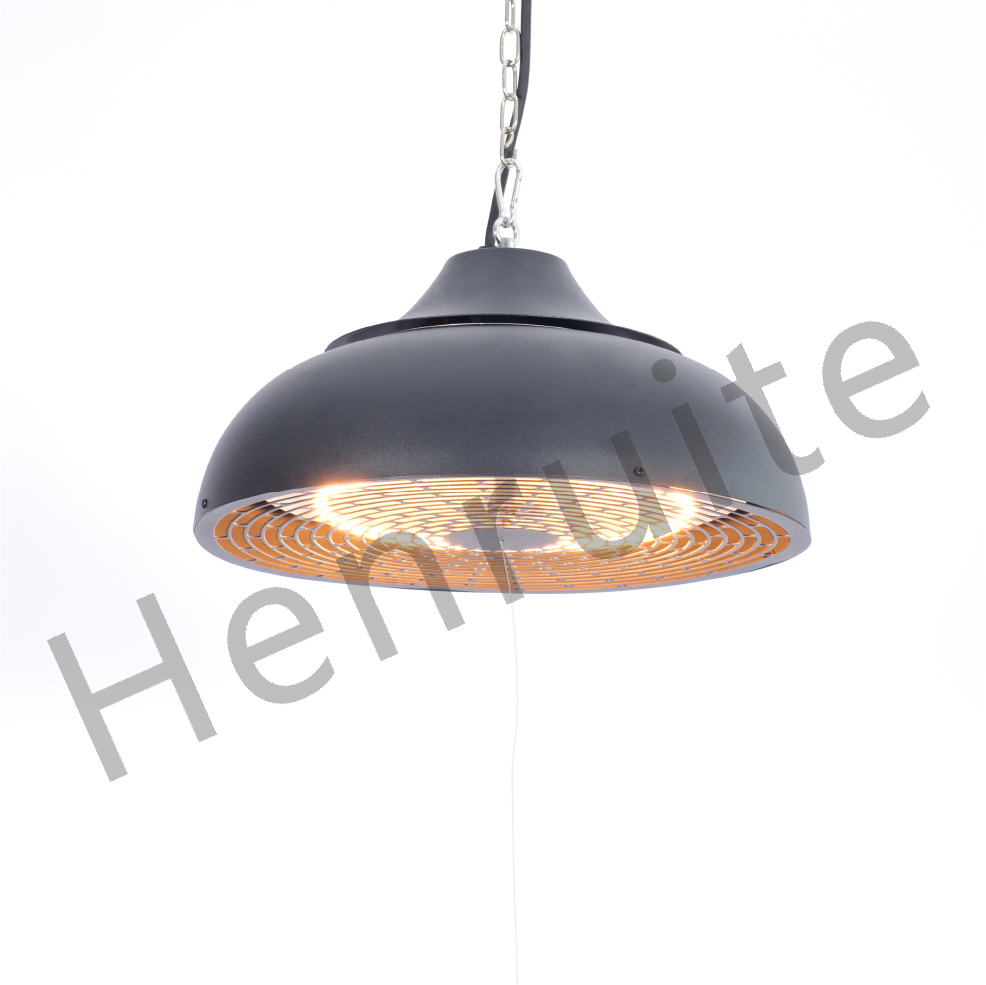
Let’s be honest: workshops are absolute killers for heating gear. Between the floating oil mist, the damp air, and that constant layer of concrete dust, most infrared lamps just can’t hack it. They burn out way too fast. That’s why we built our ceiling heaters differently. We focused on the stuff that actually breaks them—the grime and the moisture. The problem with “budget” heaters Here is what happens: a tiny drop of oil or water lands on a scorching hot quartz tube. It creates a cold spot instantly. The glass expands unevenly, and pop—you’ve got a stress fracture or a completely shattered tube. It’s called thermal shock, and it’s the reason most cheap heaters end up in the trash after one season. We fixed this by using splash-proof housings and tight seals. We keep the gunk off the heating element so the glass stays intact. Dealing with the fog Then there’s the fog. If you’ve worked in a cold shop, you know how moisture just clings to everything. When you flip the switch on a standard heater, that water flash-evaporates. Over time, it leaves behind mineral deposits and pits the glass. It’s a slow death for the lamp. We added an anti-fog coating that changes how water behaves. Instead of clinging to the surface, the water beads up and just rolls off. This keeps the heat coming through clear and steady. The honest trade-off Now, I’ll be straight with you. Adding all these seals and shields does block a tiny bit of the heat. You might lose about 3-5% of that immediate “blast” compared to a bare bulb. But honestly? That’s a trade I’d make every single time. I’d rather have a heater that works slightly less intensely but actually lasts for years, rather than one that’s “perfect” for two months and then breaks. We built these for the real world—shops where the air is thick and the floors are wet. You mount them to the ceiling, and the housing takes the beating so the lamps don’t have to. It turns your maintenance routine from “buying new tubes every winter” to “giving it a quick dust once in a while.”