Keeping Things Safe When Heat Meets Water
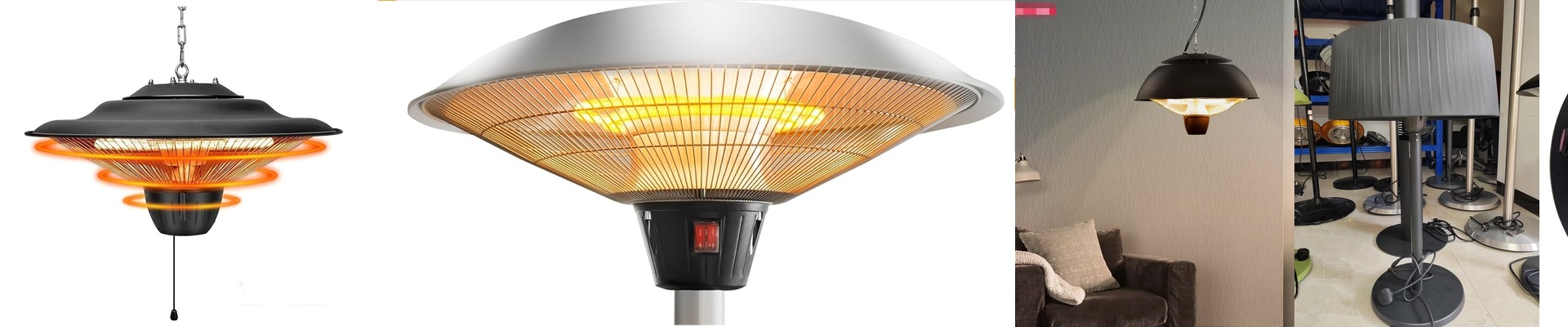
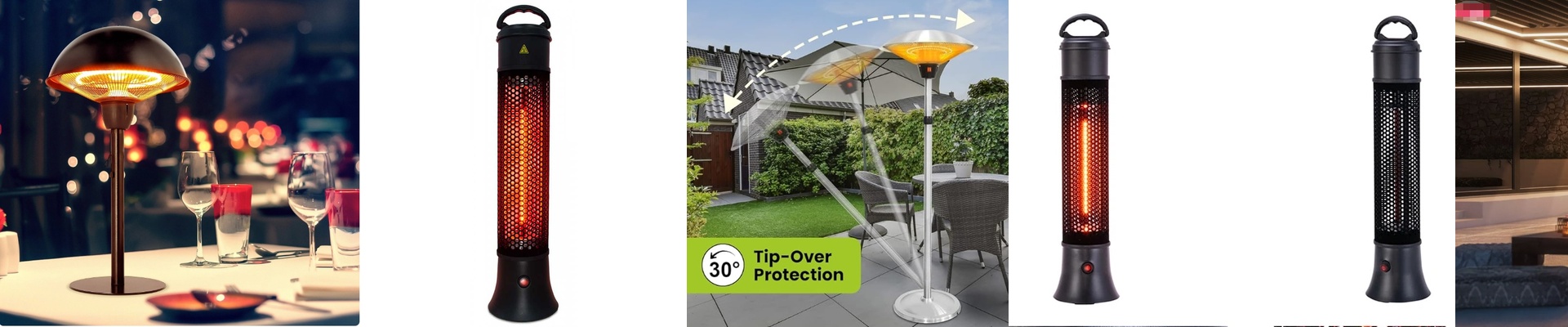
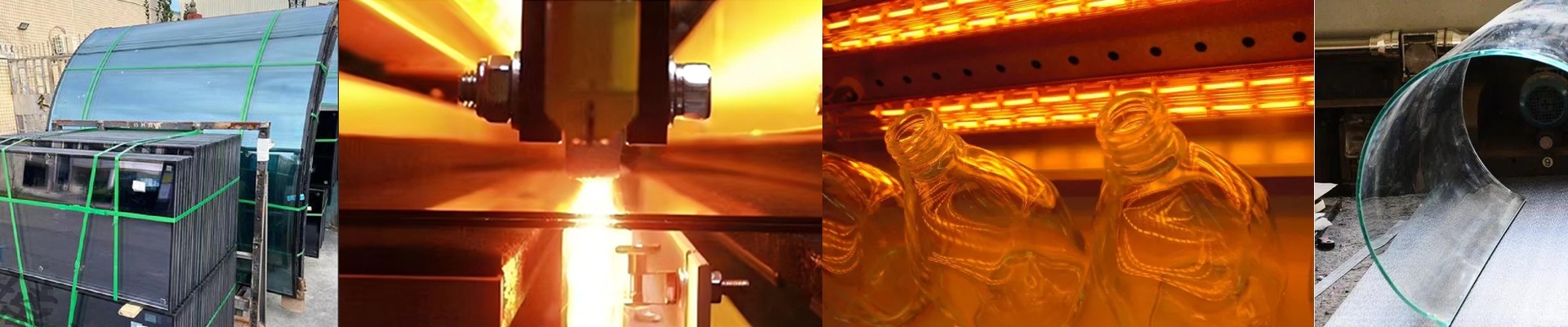
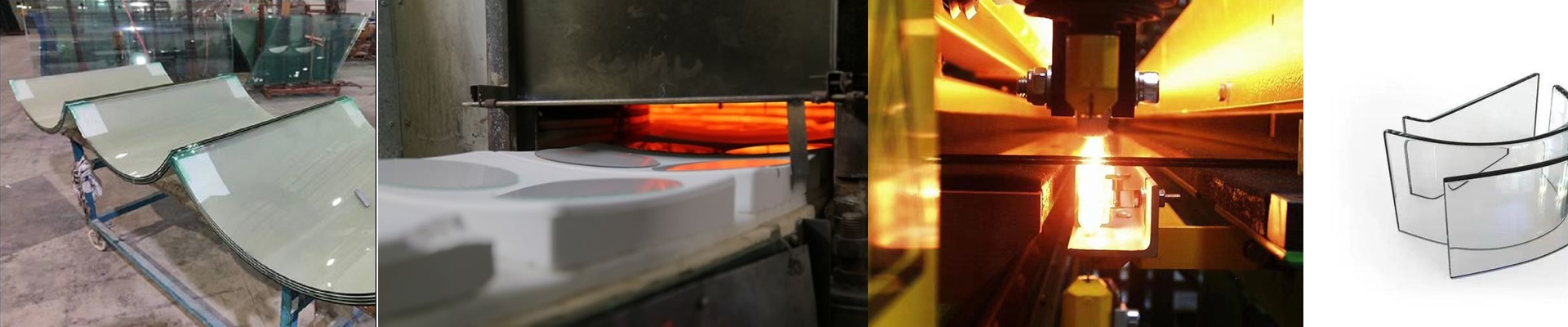
If you’re putting infrared heaters in a bathroom or out under a pergola, you’re playing a risky game. You’ve got high-voltage electricity and water in the same room. That’s a recipe for trouble. Most people try to use standard quartz lamps, but they just don’t cut it here. Imagine a red-hot glass tube suddenly getting hit by a cold splash of water. It doesn’t just crack—it shatters. Fast. That’s why you need explosion-proof quartz. It’s not just a “nice to have”; it’s the only way to do this safely. Why the glass doesn’t blow up It comes down to how the glass handles temperature swings. Standard glass panics when the temp drops quickly. Explosion-proof quartz is different. It’s built to take those sudden shocks without snapping. We also usually add a protective coating or a sleeve around the tube. That way, even if the inner filament decides to quit, you aren’t dealing with glass shards spraying across your bathroom floor. The battle against moisture You’ll see a lot of talk about IP ratings for the outer housing, but the real weak point is the tube itself. In a shower or a rainy backyard, steam and splashes are everywhere. The secret is in the seal. If you use cheap sockets without the right gaskets, moisture just wicks its way right into the contacts. Then you get arcing, the lamp burns out way too soon, and you’re back to square one. A few things to watch out for These lamps get hot. Really hot. The upside is that you feel the warmth the second you flip the switch. But you can’t just tuck them anywhere. Check your clearances. If you mount them too close to plastic trim or anything that can catch fire, you’re going to have a melted mess on your hands. Take a look at the wattage and give the heater some breathing room. And please, use moisture-resistant cabling. If your grounding is off, the fancy glass won’t save you. You need the whole package—sealed housing and safe glass—working together so your cozy upgrade doesn’t turn into a hazard.