
Keeping the Rain and Dust Out of Your Garden Heater
Let’s be honest: the outdoors is a nightmare for electronics. Between the sudden rain showers, the wind-blown dust, and those wild temperature swings, most heaters just aren’t built to last. That’s why we build ours to an IP65 standard. Basically, it means we’ve obsessed over the sealing so you don’t have to worry about your heater frying the moment a storm hits.
What “IP65” actually means for you
You’ll see those numbers on the spec sheet, but here is what they mean in the real world. The “6” is all about the dust. We use tight gaskets and sealed housings to make sure grime and grit can’t sneak into the electrical parts. Then there’s the “5.” That’s the water protection. It means if you’re caught in a downpour or you’re hosing down the patio, your heater isn’t going to short out. But we didn’t stop there. We also added a hydrophobic coating to the lens. Ever notice how mist clings to glass and makes everything blurry? This coating stops that. Water just beads up and rolls away. Because the glass stays clear, the heat goes straight to you instead of getting trapped in the lens.
Dealing with the “Shock” factor
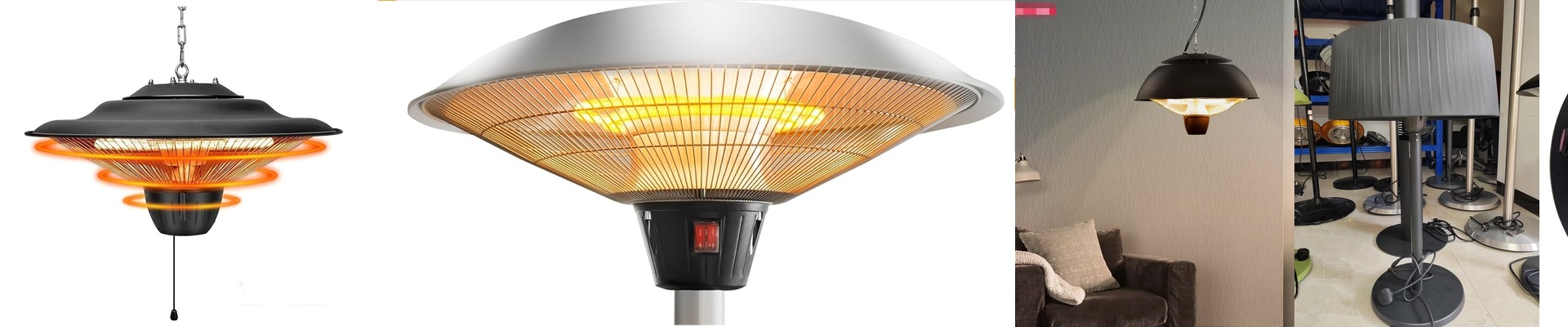
Here is the tricky part: moisture and hot quartz tubes don’t get along. If a cold drop of water hits a scorching hot lamp, the glass can crack in a heartbeat. It’s a brutal kind of thermal shock. To stop that, we tucked the heating element into a recessed reflector with a sealed front. It’s a simple bit of geometry that pushes the heat forward while blocking splashes from hitting the sides. One quick heads-up, though. These are tough, but they aren’t submarines. Don’t dunk them in a pool. And if you live right on the coast, keep an eye on your wiring terminals once a season. Salt spray is a beast, and a quick check-up keeps things running smooth.
Set it and forget it
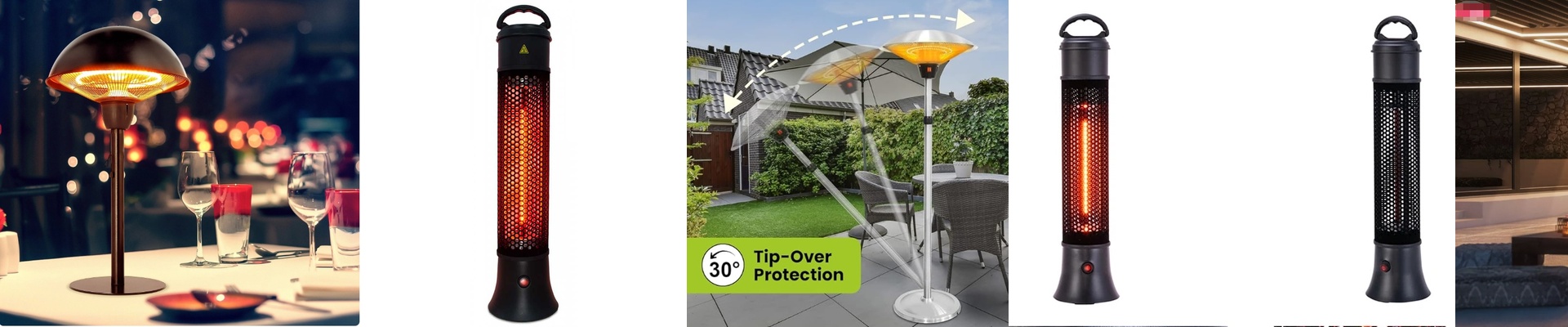
We designed these to be easy, drop-in replacements for your patio or deck. By keeping the moisture out, we stop the internal filaments from rusting or oxidizing. It’s the difference between a heater that dies in a year and one that actually lasts. You just get steady, reliable warmth without the headache of electrical faults or constant repairs. It just works.