Why You Should Probably Ditch Those Old Bathroom Lamp Warmers
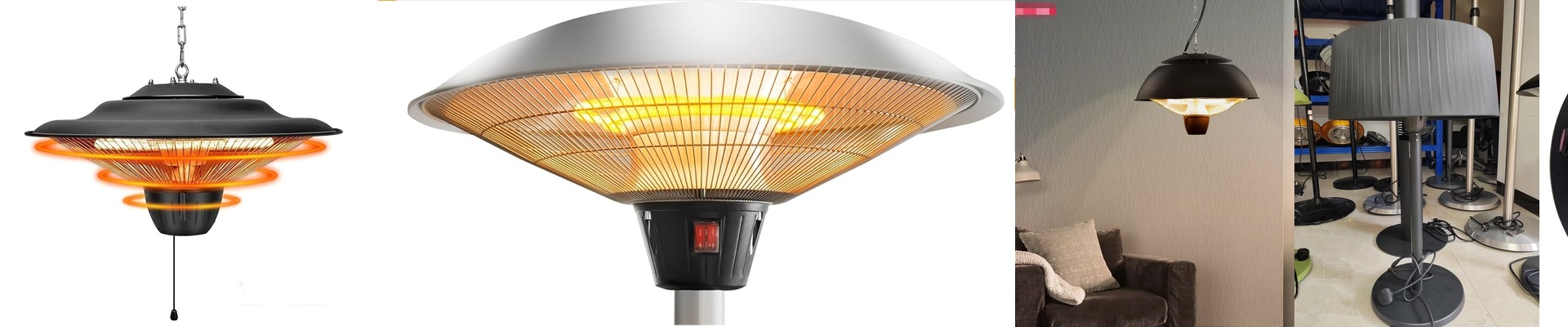
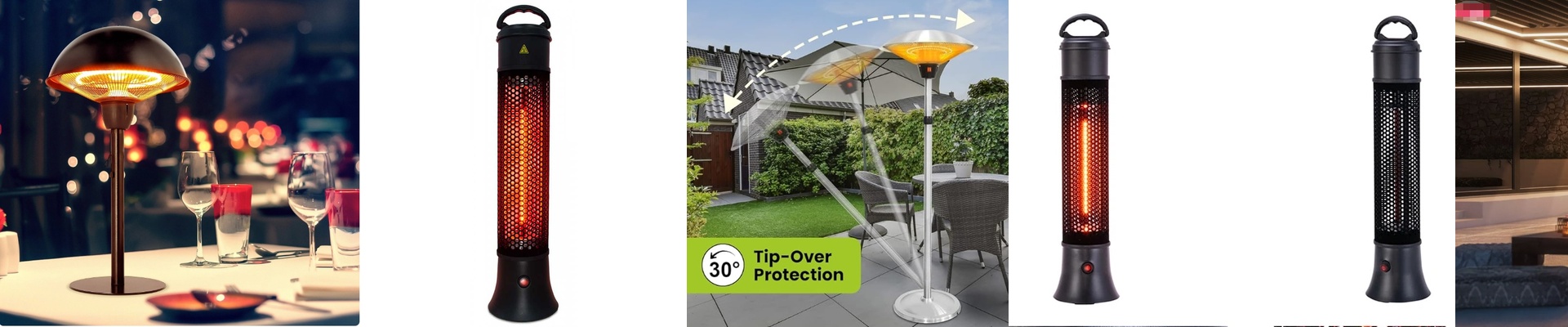
Let’s be honest: those old-school bathroom lamp warmers usually aren’t up to the task. They just weren’t made for the kind of steam and humidity you get in a bathroom. That’s why we’re seeing so many people switch over to ceiling-mounted infrared heaters with serious waterproof ratings. It’s not about making the room look fancy. It’s about making sure your electronics don’t fry and, more importantly, that your bathroom stays safe. The deal with waterproofing Here’s the thing about cheap heaters: they tend to let moisture seep into the housing. Once that happens, you’re looking at short circuits or a heating element that burns out way too soon. High-end infrared heaters use sealed gaskets and specialized housings (look for an IPX4 rating or better). This keeps splashes away from the live wires. And no, you can’t just put a plastic cover over a cheap unit and call it a day. The seal has to be tough enough to handle the metal expanding and contracting every time you click the switch. Why infrared actually works Most heaters try to warm up the air. But in a bathroom, that’s a losing battle. The heat just vanishes through the vents or under the door. Infrared is different. It’s shortwave radiation, which means it hits your skin and the surfaces around you directly. It feels instant. You flip the switch, and you’re warm. Period. A few things to watch out for These units pack a punch, and that means you have to be smart about where they go. If you put a high-wattage heater in a tiny room with a low ceiling, you’re going to have a problem. You might overheat the ceiling materials or just feel like you’re standing under a heat lamp at a buffet. For a normal house, 1000W is usually the sweet spot. If your ceilings are lower, you’ll want to dial it back or find a lower-wattage element so you don’t end up with “hot spots” that feel uncomfortable. One last thing: don’t cut corners on the wiring. Since this is sitting right above water, you need proper grounding and GFCI protection. I always suggest using heat-resistant wiring, too. It prevents the cables from getting brittle and degrading over time from all that heat soak.