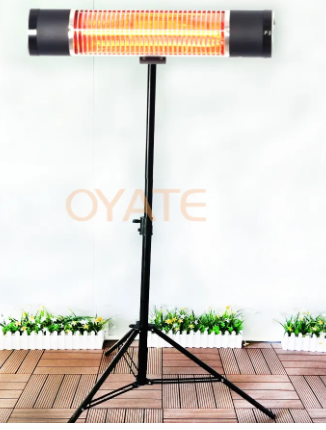
Why We Don’t Mess Around With Bathroom Heaters
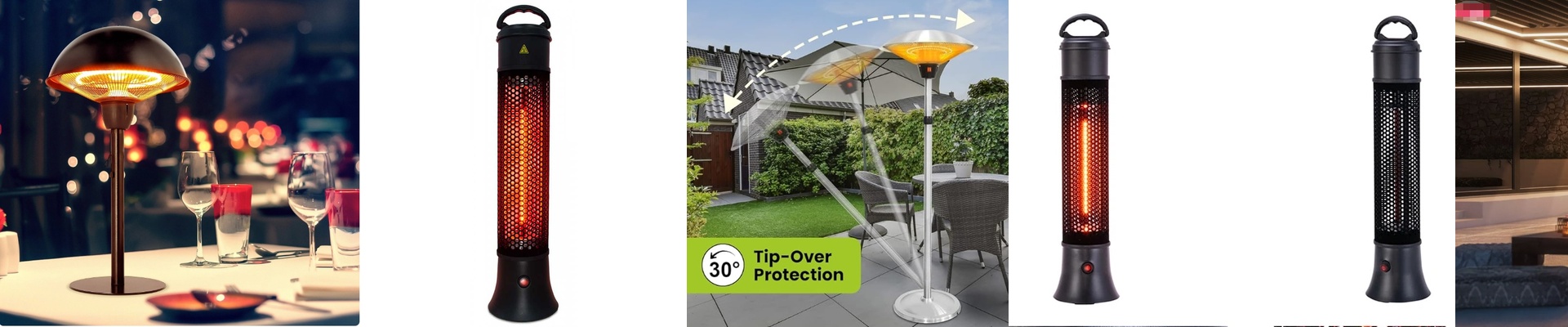
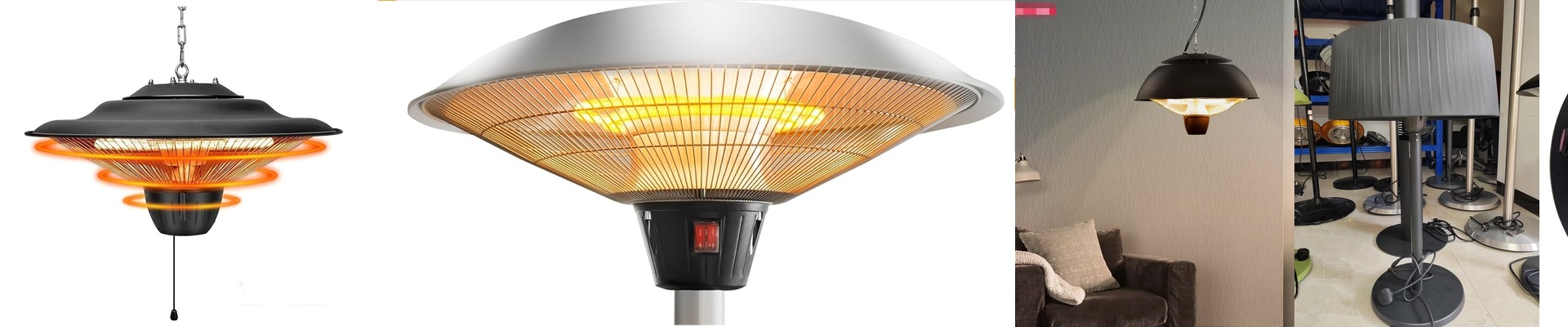
Bathrooms are a nightmare for electronics. You’ve got thick steam, splashing water, and high voltage all hanging out in the same small room. It’s a recipe for short circuits or, even worse, a tube shattering because a cold drop of water hit a red-hot surface. That’s why we build our quartz infrared heaters with a massive safety margin.
The Deal With “Explosion-Proof” Quartz
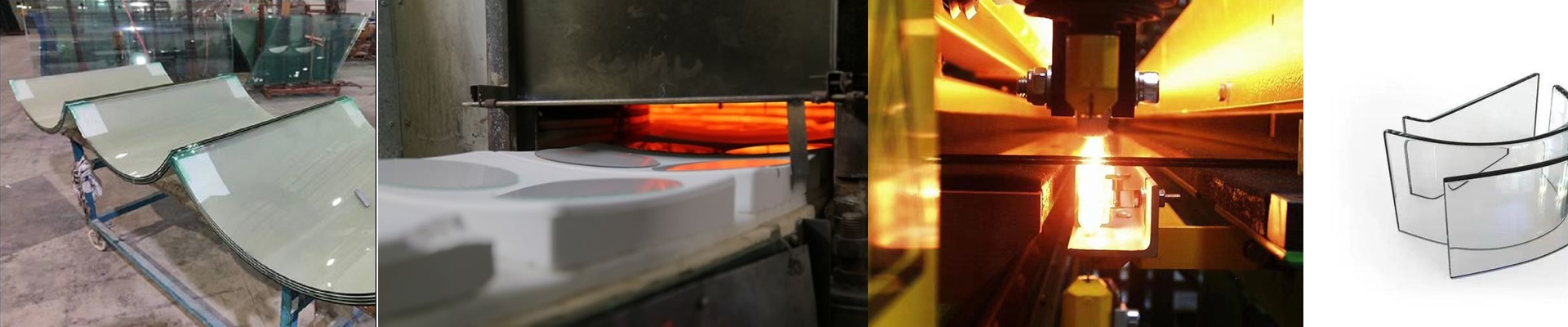
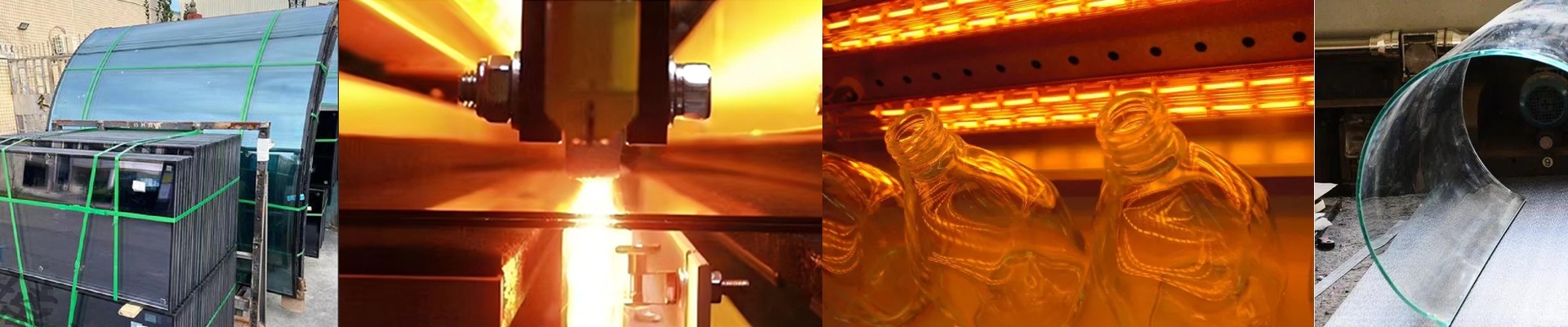
Most quartz tubes are fragile. If they get too hot and then suddenly get hit by a cold spray, they can crack. We call that thermal shock. It’s not pretty. To fix this, we use reinforced, explosion-proof quartz. It’s designed to handle those wild temperature swings without breaking a sweat. But here’s the real kicker: if a tube does happen to fail, the special coating keeps the glass from spraying everywhere. It keeps the mess contained and the heating element isolated. You get the heat, but you don’t get the danger.
Keeping the Water Out (IP65)
You’ll see “IP65” on the spec sheet. In plain English? It means the unit is tight. No dust gets in, and water jets can’t punch through. We seal the electrical junctions and the lamp housing tightly. Why? Because if steam or spray leaks in and settles on the contacts, you get corrosion or sparks. Not great. We use high-temp gaskets that stay sealed and flexible even when the lamp is cranking out maximum heat.
A Few Things to Keep in Mind
These lamps put out a lot of heat—and they do it fast. It feels great when you step out of the shower, but that heat density can be tough on the housing. Just make sure whatever surface you’re mounting them to can handle the heat radiating from the back. And for heaven’s sake, don’t cram them into a tiny ceiling void with no airflow. If you pack them too tight, you risk overheating your wiring. We designed these to be simple drop-in replacements. Just wire them into a GFCI-protected circuit and you’re good to go. By combining that IP65 shell with the reinforced quartz, we’ve basically removed the things that make cheap heaters fail. It’s just safer. Simple as that.