Stop Worrying About Your Voltage When Moving Furnaces
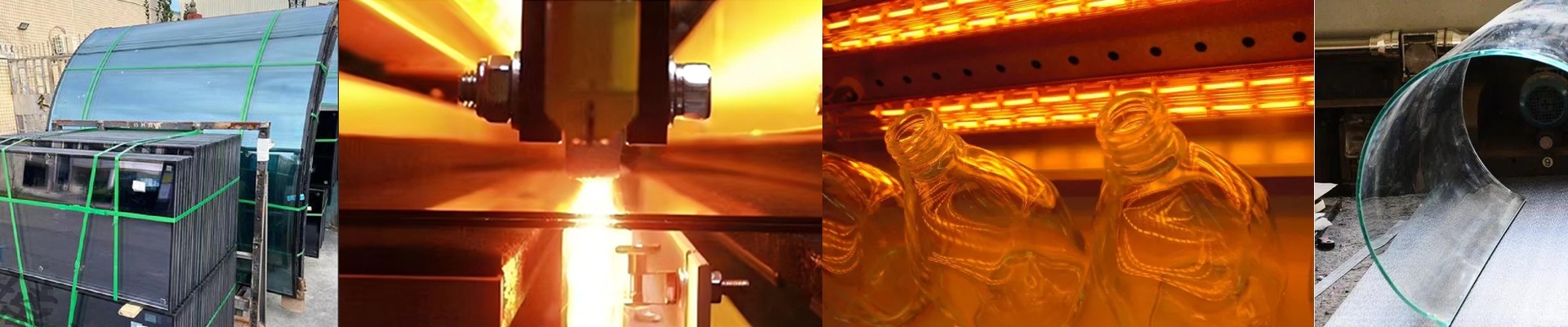
Getting those thermal gradients just right in a bottle annealing furnace is a bit of an art. You’re trying to bleed out the internal stress of the glass without ruining the batch. But here is the real headache: moving your gear across borders. The heating element usually isn’t the problem. It’s the local power grid. That’s why we build our IR lamps to handle 110V, 480V, and 575V. We want to make sure that when you flip the switch in a new facility, you aren’t staring at a blown fuse or a melted circuit.
The reality of voltage
Voltage isn’t just some number on a spec sheet. It actually changes how the quartz tube handles heat and current. If you’re running a 110V lamp, you’re going to pull a lot more current to get the same heat as a 480V tube. Going with higher voltage (like 480V or 575V) keeps the amperage low. This is a win for you because you can use thinner wires and smaller breakers. It’s just cleaner. But be careful. If you plug a 480V system into a 220V line, the lamp won’t get hot enough to actually anneal the glass. You’ll end up with brittle bottles that crack way too easily.
Picking your parts
We use high-purity quartz because it can take the punch of rapid heating and cooling without snapping. To make life easier on the factory floor, we pair these with R7s or SK15 connectors. This means when it’s time for a swap, you can just pop them out and put new ones in without a fuss. If you’re dealing with really thick glass bases, you might want coated tubes. They shift the heat spectrum so the warmth actually penetrates the glass instead of just bouncing off the surface. One quick tip: if you cram too much wattage into a short tube, the heat density spikes. This puts a lot of pressure on the ends of the lamp. Check your cooling fans. If they aren’t sized right, your connectors are going to burn out a lot faster than they should.
Getting it running
We make these as drop-in replacements that fit your existing setup. The goal is to match the lamp’s voltage exactly to your local transformer. When you do that, you can throw away those bulky external step-down converters. Your control panel stays tidy, and you have fewer points of failure in the circuit. Simple is always better.