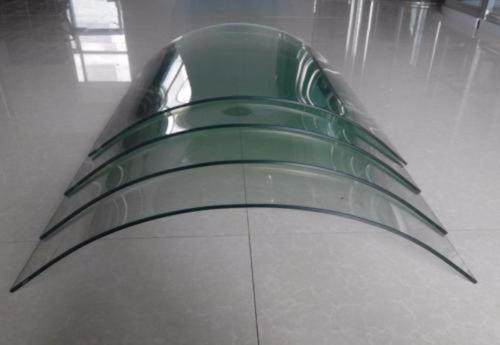
Getting Your Glass Annealing Right
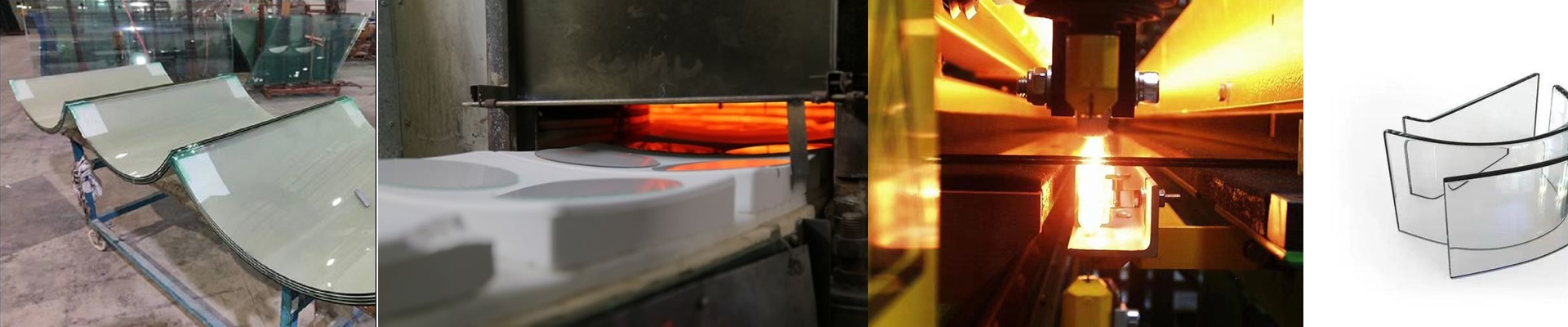
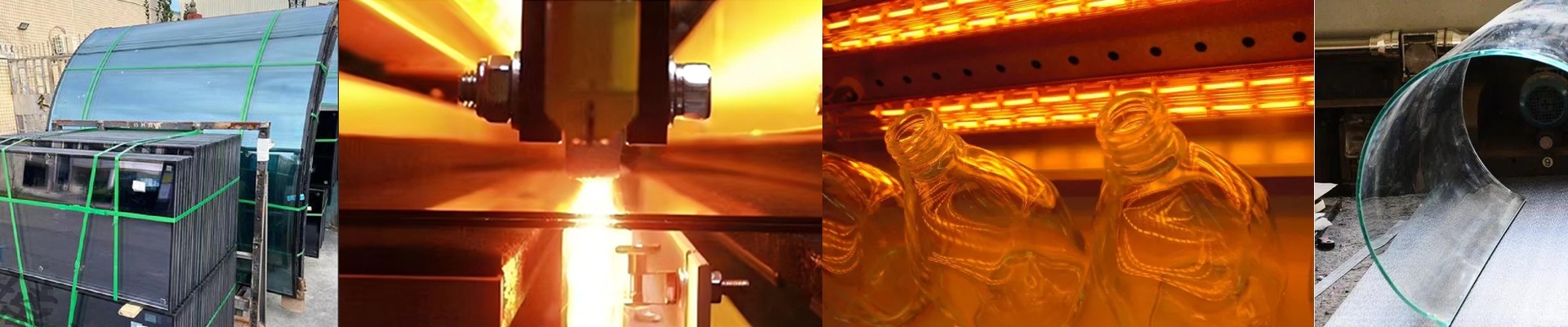
If you’re annealing glass, you know the drill. You need a very specific temperature drop to get rid of those internal stresses. To do that, we use shortwave infrared (IR) lamps. Now, here is the problem: most suppliers just treat this like a parts store. They ask for a catalog number, ship you a lamp, and call it a day. But we’ve seen it happen too many times—a lamp that fits the socket doesn’t necessarily fit the process.
It’s more than just wattage
Think of wattage and voltage as more than just numbers on a spec sheet. They’re really about heat density. If you cram a high-wattage tube into a tight space, you’re asking for trouble. You’ll likely scorch the surface of the glass while the middle stays cold. That’s how you get thermal shock. We’d rather look at how fast your line is moving and how thick your glass is. That way, we can figure out if you need a focused shortwave hit or a softer, more diffused medium-wave feel.
Why we actually show up in person
People love the idea of a “drop-in replacement.” It sounds easy. But usually, it’s a trap because things change in a factory. We start by checking your reflectors. If they’re pitted or oxidized, a brand-new lamp is basically a waste of money. The heat just won’t reach the glass. Plus, we check the wiring and contactors. These lamps pull a ton of current. If a terminal is loose, it’s not a matter of if it will burn out, but when.
The balancing act
More power isn’t always the answer. In fact, pushing a lamp to the limit just dumps more heat into your machine’s frame. If your cooling blowers aren’t up to the task, you’re going to fry your control electronics. It’s a mess. Instead, we map the thermal profile of your actual part. We find the cold spots. Then, we move the lamps or tweak the power cycle until the heat curve is smooth. At the end of the day, we provide the hardware, but the real magic is in the calibration. You aren’t just buying a glowing tube in a rack—you’re getting a system that actually does the job.