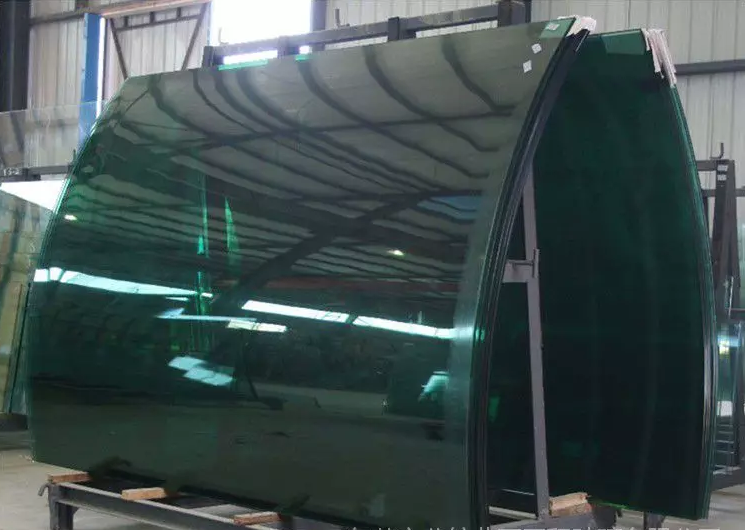
Getting Low-E Glass Preheating Right (Even at 3+ Meters)
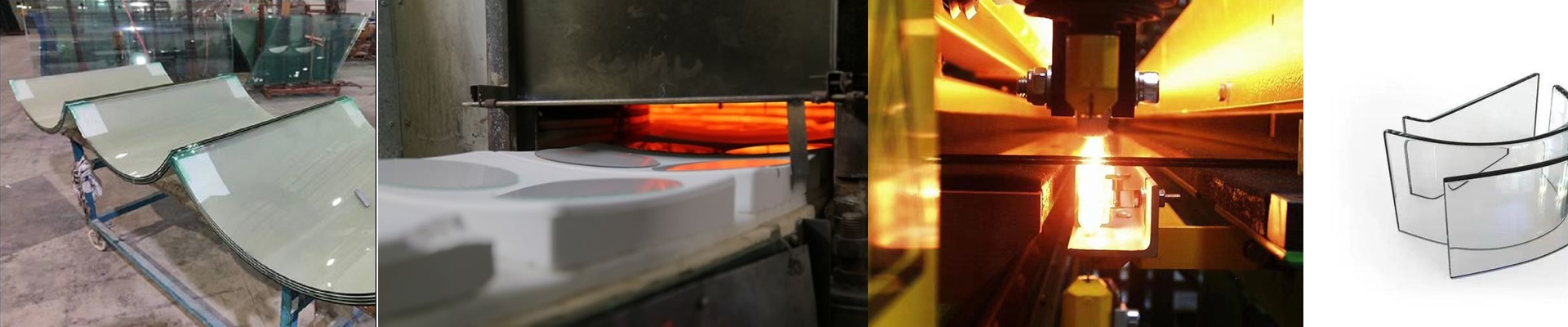
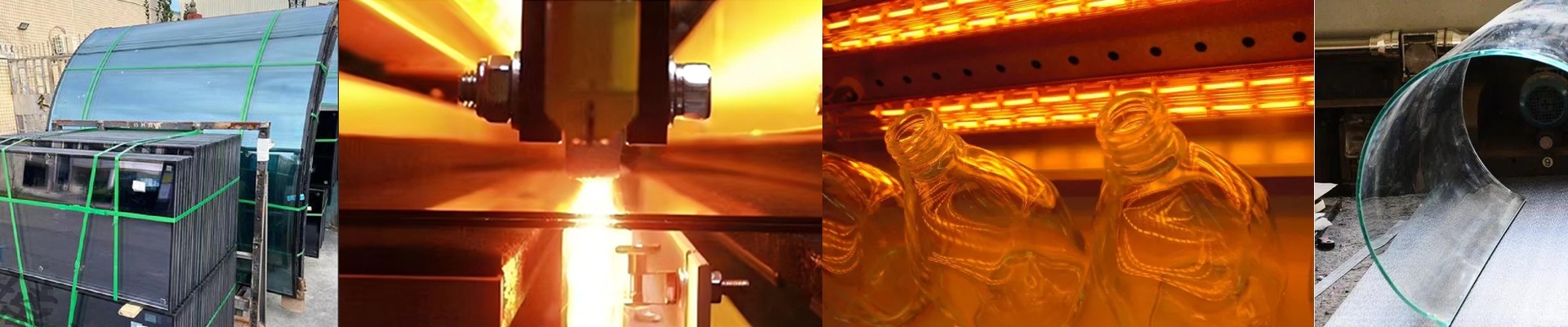
If you’re working with wide-format Low-E glass, you know the struggle. You need the heat to be dead-even across the whole sheet. But once you cross that 3-meter mark, the standard lamps you buy off the shelf just stop cutting it. They can’t keep up. That’s why we build our infrared units custom. We fill the gaps the big catalogs miss. The headache of scaling up When you stretch a heating element across 3 meters or more, physics starts working against you. You deal with voltage drops and the risk of things warping as they heat up. To fix this, we use high-wattage quartz tubes. They keep the heat dense and consistent. But here is the real secret: we don’t use one giant heating element. That’s a recipe for disaster. Instead, we use a modular array of lamps. This lets you “zone” your heat. If you notice the edges of your glass are cooling down faster than the center, you don’t have to panic. Just crank up the power to the outer banks and you’re back in business. Why we stick with quartz We house the tungsten filaments in heavy-wall quartz glass. It’s tough. It can handle the shock of being turned on and off rapidly without cracking. For Low-E work, we go with short-wave infrared. It hits the glass surface fast and penetrates deep. And because we know shop floors are noisy and shaky, we use reinforced connectors. Your lamps won’t just rattle loose because the conveyor is humming. The reality of the shop floor These units are powerful. They give you the heat flux you need to keep your line moving fast. But let’s be honest about the trade-off: pushing that much wattage into a 3-meter space creates a lot of ambient heat. A lot. If you don’t have your cooling fans and ventilation sorted, you’re asking for trouble. You’ll end up frying your wiring or popping your control relays. Make sure your airflow is ready for the load. The best part? We design these to be drop-in replacements. We match the mounting brackets to the frame you already have, so you aren’t spending your weekend re-drilling a chassis. Just wire it up, dial in your PID controllers, and get back to work.