
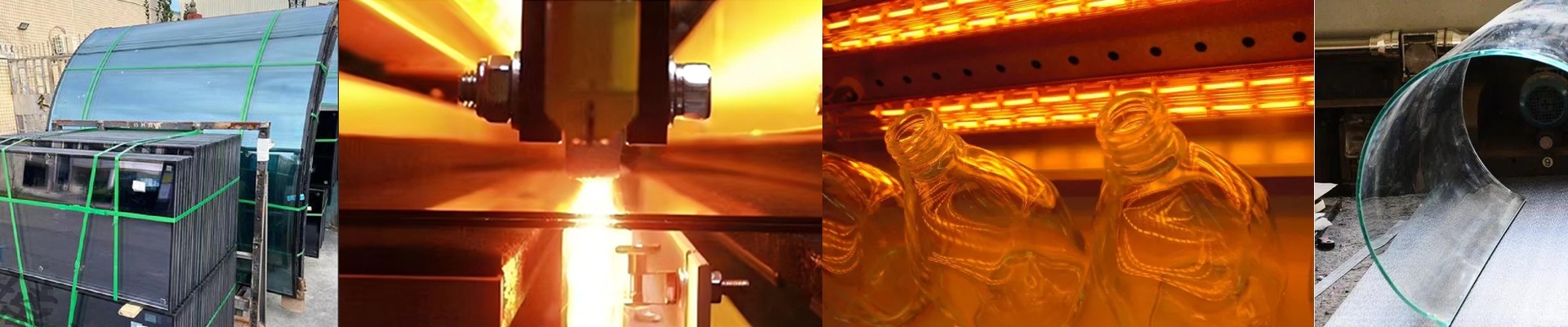
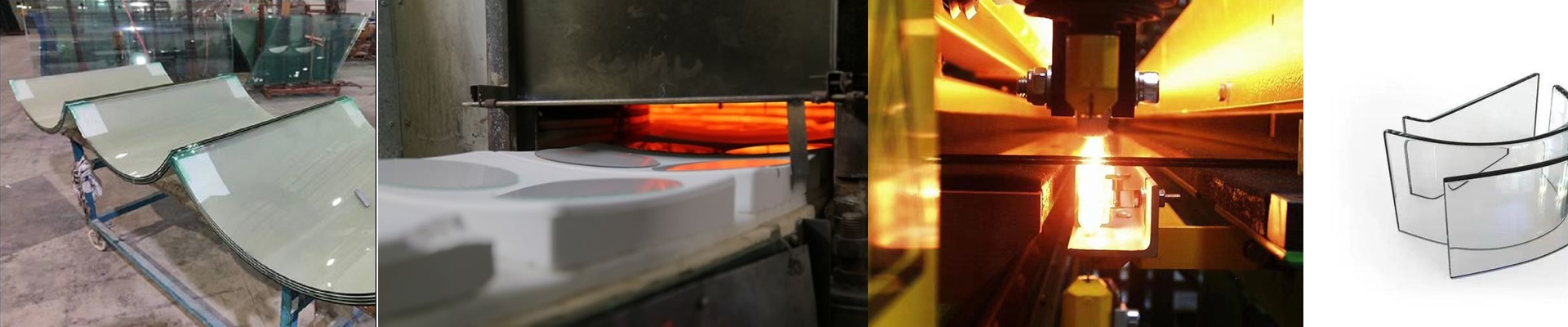

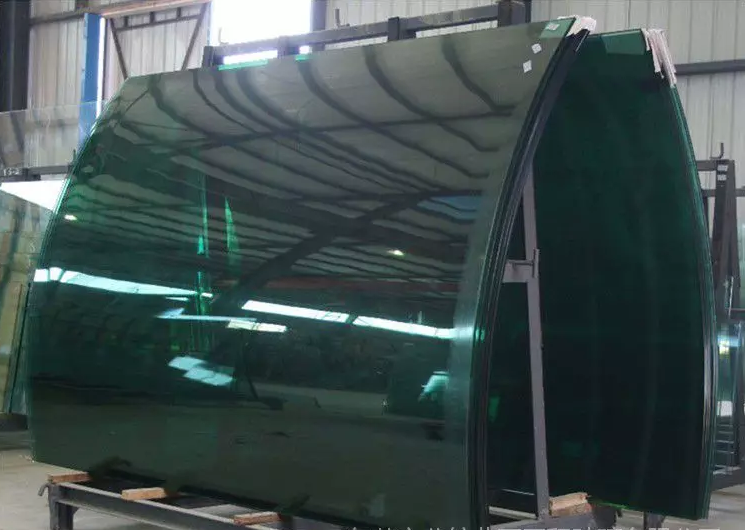
On the plant floor, the line doesn’t stop for warm-up. If the preheat drags, the furnace belt keeps feeding, and cold glass hits the heat — then you get thermal shock and a stack of scrap. We built our industrial glass preheater to cut that chain off at the knees. It brings the sheet up to a repeatable temperature fast, so the next step just runs. What makes it work We lean on short-wave infrared emitters in a modular array. They heat the glass surface directly, instead of leaning on air convection. That gives you a tight thermal field across the sheet, with snappy response and predictable soak profiles. Each module is rated for industrial duty cycles and can be set up for 240V or 480V. Standardized mounting and termination keep changeover short. Control is simple: set the target, and the system holds it in a narrow band, so you stop fighting the swings that drive thermal stress. Why it fits the way we run This preheater was built for real glass work — tempering, bending, lamination (EVA/SGP/PVB), coating drying, and prepping for insulating glass. Fast, even preheat cuts the time from load to process, so you get more throughput without pushing the furnace harder. Quality improves too, because stress fractures and edge defects drop off — especially on low-e and coated glass, where emissivity shifts the heating behavior. Energy use falls because the emitters deliver heat on demand, rather than keeping a big chamber hot between batches. Here is the part you’ll feel on install Compatibility is not an afterthought; it’s part of the engineering. We provide adaptable mounting frames and connector options for common glass machine brands, so you can drop it in with minimal rework. Install still needs discipline. Clearance and reflector alignment matter. Miss those, and your temperature profile starts to drift. Plan the layout around your sheet sizes and line speed, and double-check the voltage and cooling at the station before you bolt it down.