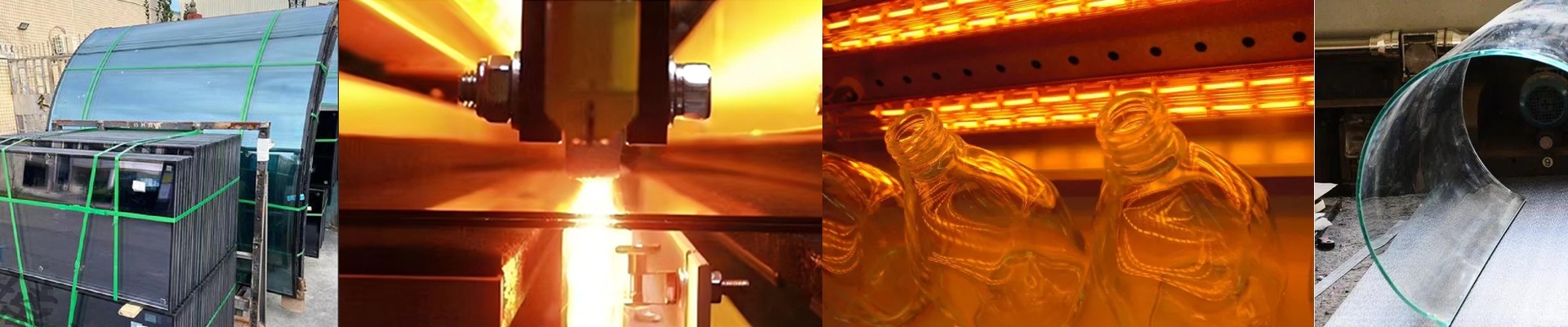
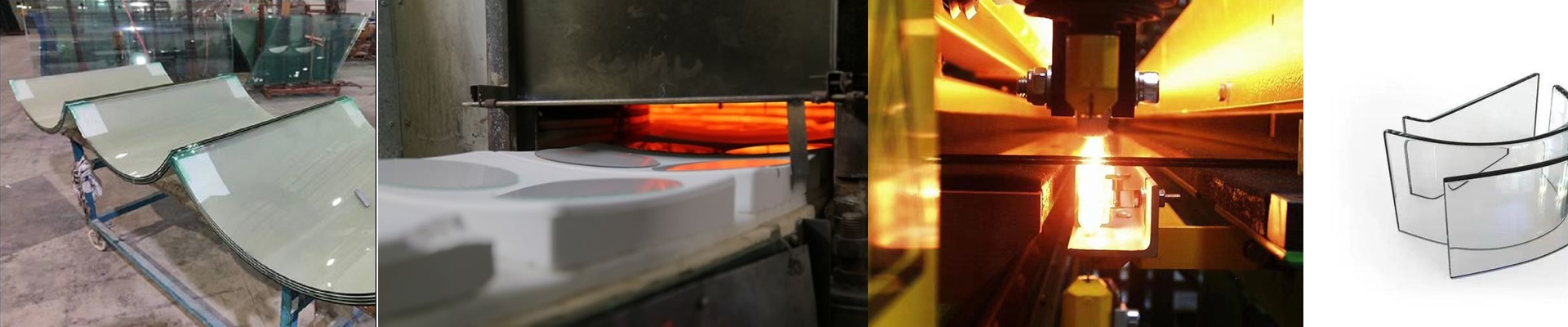
On a bending line, the heat profile isn’t a suggestion—it’s the whole process. If the lamp starts lagging, you’re fighting inconsistent sag, edge waves, and optical distortion that shows up in inspection and comes back as field failures. We built the precision glass bending lamp to live in that reality: hot enough, steady enough, and repeatable enough to keep the furnace curve where it needs to be. What matters under the hood This lamp is a quartz short-wave infrared emitter, tuned for fast response and tight thermal control. It packs high power density with low thermal mass, so the zone comes up fast when the conveyor stops and recovers quickly when the line starts moving again. That gives you a stable thermal field across the glass, which keeps thermal stress in check and helps prevent the micro-fractures that can show up during forming. It’s designed to work with standard industrial voltages and offers solid termination options, so it drops into existing fixtures with minimal rework. You run a bending furnace or press that demands repeatable temperature, cycle after cycle. This lamp cuts ramp time and holds setpoint within tight tolerance, so the glass hits target viscosity predictably. That translates into fewer rejects from waviness, less scrap from under-bends, and more consistent optical quality from shift to shift. Energy use comes down because the emitter heats on demand and cools fast, cutting idle losses. In production terms: more good parts per hour, less rework, and a safer thermal profile that keeps surface temperatures from climbing on the operator side. Installation is straightforward, but alignment is where it lives or dies. If it’s mounted off, the distance to the glass changes and the heat map shifts—then you get uneven bending. The lamp performs best with clean, dry airflow and proper insulation to avoid convective losses. Plan on periodic inspection of seals and connections—quartz emitters are tough, but thermal cycling still stresses hardware. Expect strong performance, and treat maintenance like you would for any core production component.