Introduction
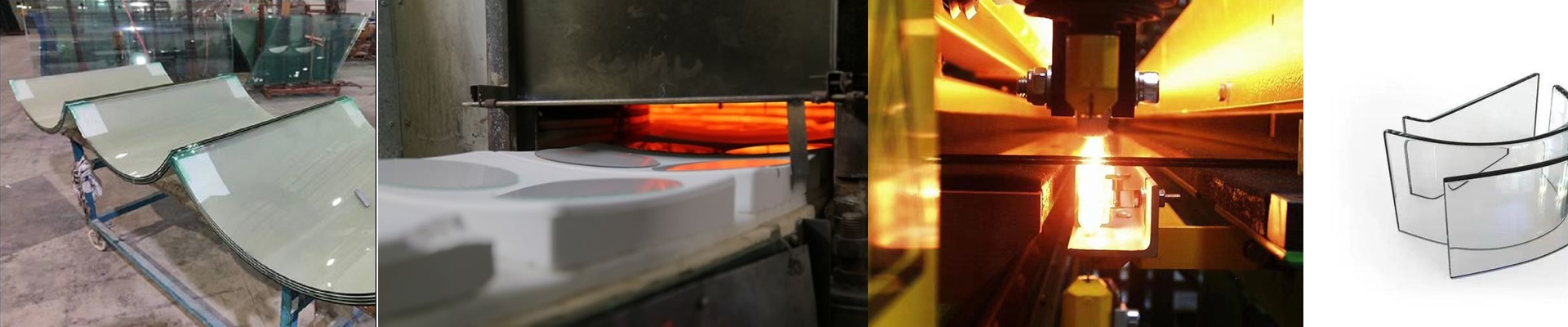
Let’s talk about glass mosaic decoration. The final look? It all comes down to the glaze. And if you’ve ever fought with a finish that just wouldn’t go mirror-smooth, you know standard heating methods can fall flat. That’s why we built our shortwave infrared drying lamp. It’s not a compromise. It was designed from the ground up to deliver the kind of intense, focused heat that makes pinholes and surface flaws disappear.
The Tech, Without the Fluff
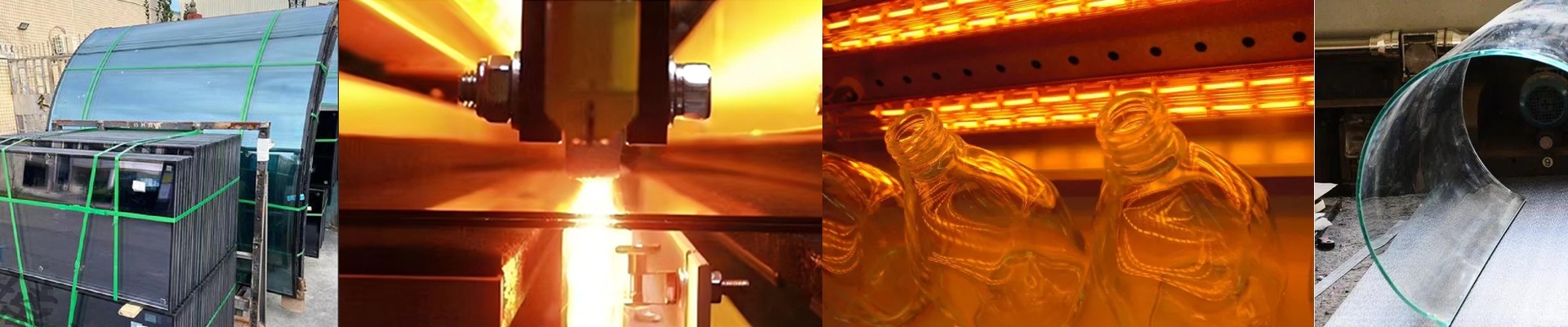
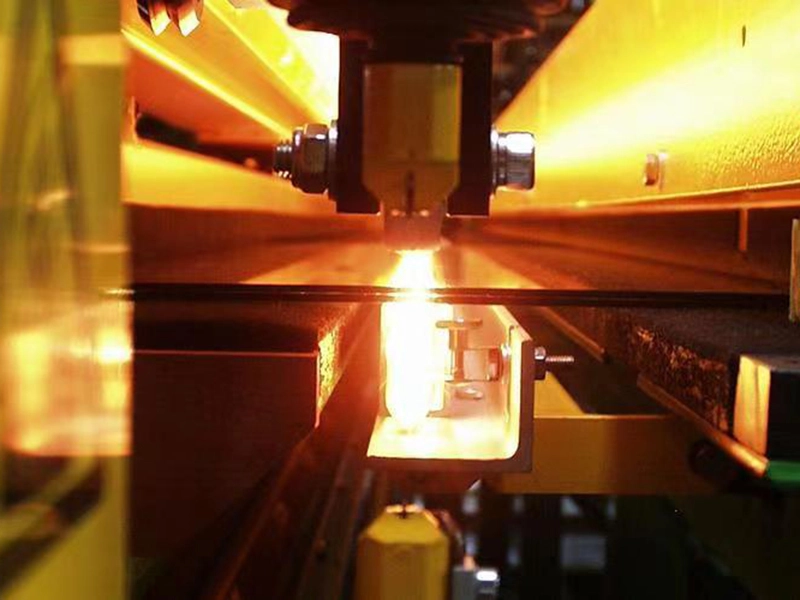
Here’s the heart of the matter: raw power, precisely applied. We spec these lamps at 400V and 2500W. That’s not a random number. It’s the exact power needed to ramp up the temperature fast enough to keep pace with a busy glazing line. The 300mm tube length is another intentional choice. It gives you a heating footprint that matches the width of your mosaic tile belt perfectly. No wasted energy. No extra heat spilling onto the surrounding equipment. And the science behind it is pretty neat. The shortwave energy doesn’t just heat the surface. It penetrates the wet glaze, heating it from the inside out. This lets trapped solvents and water escape cleanly, without boiling the top layer. The result? A smooth, bubble-free glaze, ready for the next step.
Built to Last in a Tough Environment
We use a halogen-filled quartz tube. This design lets the filament run incredibly hot—up to 2,200°C—while the quartz itself stays rock-stable. That stability is what creates the high-intensity shortwave radiation needed for that deep fusion. The tube also has a special coating. It’s there to shield the internal parts from the harsh chemicals in the glaze, which means the lamp lasts longer. Then there’s the connector, which is a detail that really matters. We use an R7s base. This double-ended connection ensures a secure, low-resistance electrical contact. It’s built to handle the heavy current draw of a 2500W load without arcing or overheating. For you, that means a reliable, drop-in replacement that keeps your line running with fewer maintenance interruptions.
What This Means on the Floor
When you’re running the line, this lamp gives you real control over the glaze process. The intense heat density gets the glaze to its melting point fast and evenly. That’s how you kill the “orange peel” effect that slower heating methods often leave behind. But here’s the thing to keep in mind: a 2500W shortwave lamp puts out a lot of radiant heat. Your conveyor system and reflector housing need to be ready for that thermal load. Proper shielding and airflow are essential to protect everything else on the line. For engineers, this setup means predictability. You get a consistent glaze finish, you can run at faster speeds, and you have a lamp that can take the heat, day after day, cycle after cycle.