Why we stopped gluing heating elements to mirrors
Bathrooms are brutal on electronics. Between the steam and the constant temperature swings, heating elements eventually just give up. For a facility manager, that’s a nightmare. Usually, it means the whole mirror is trash.
The problem with the “old way”
Most mirror heaters are basically a permanent part of the glass. They use glued-on films or hard-wired elements. If one tiny section burns out? You’re ripping the entire mirror off the wall. It’s a waste of time and a waste of money. We decided to do things differently. We went with a modular setup. Think of it like a slot. Each heating element sits in its own dedicated spot. If a tube dies after five years, you don’t touch the mounting brackets or the wall. You just pull the old tube out and drop a new one in. Done.
How it actually works
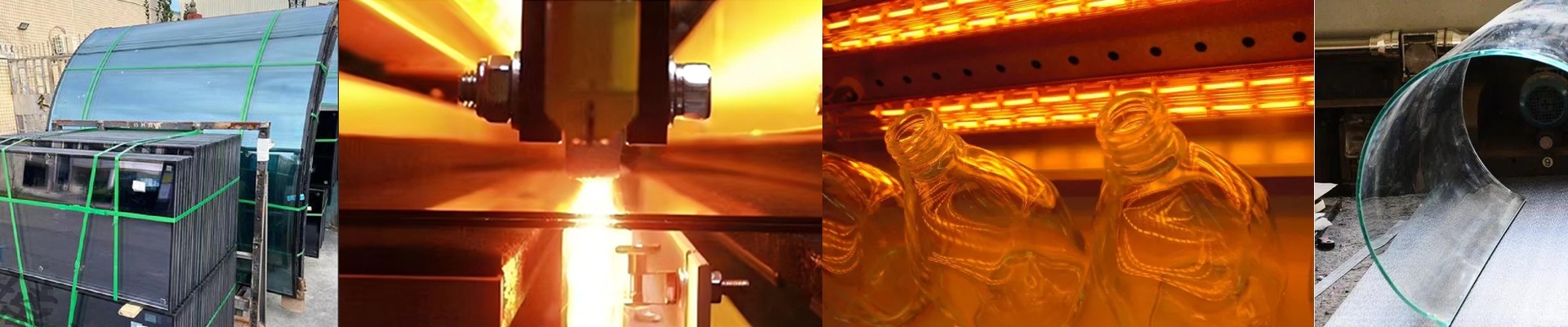
We use short-wave infrared emitters. Instead of trying to warm up the entire wall—which is a huge waste of power—these target the glass surface directly. We’ve dialed in the power just right. It keeps the glass slightly above the dew point so the fog disappears, but it isn’t so hot that it risks cracking the mirror backing. It’s a delicate balance, but it works.
The reality of maintenance
Let’s be honest: industrial heating parts usually last about five years. That’s just the nature of the beast. To make those five-year marks less painful, we used standardized connectors. No soldering. No messing around with complex wiring. You just unplug the module and swap it. Now, there is one catch. Because we use a chassis instead of a thin film, these take up a bit more room behind the mirror. You’ll just need to make sure your wall cavity has enough depth to fit the housing.
Setting it up
We built these for speed. You wire the chassis once during the initial install, and that’s it. From then on, maintenance is a ten-minute job. You don’t need to call in a specialist or pay for a high-priced technician just to swap out a heating element. You can just get it done and move on with your day.