Stop Replacing Your Infrared Heaters Every Six Months
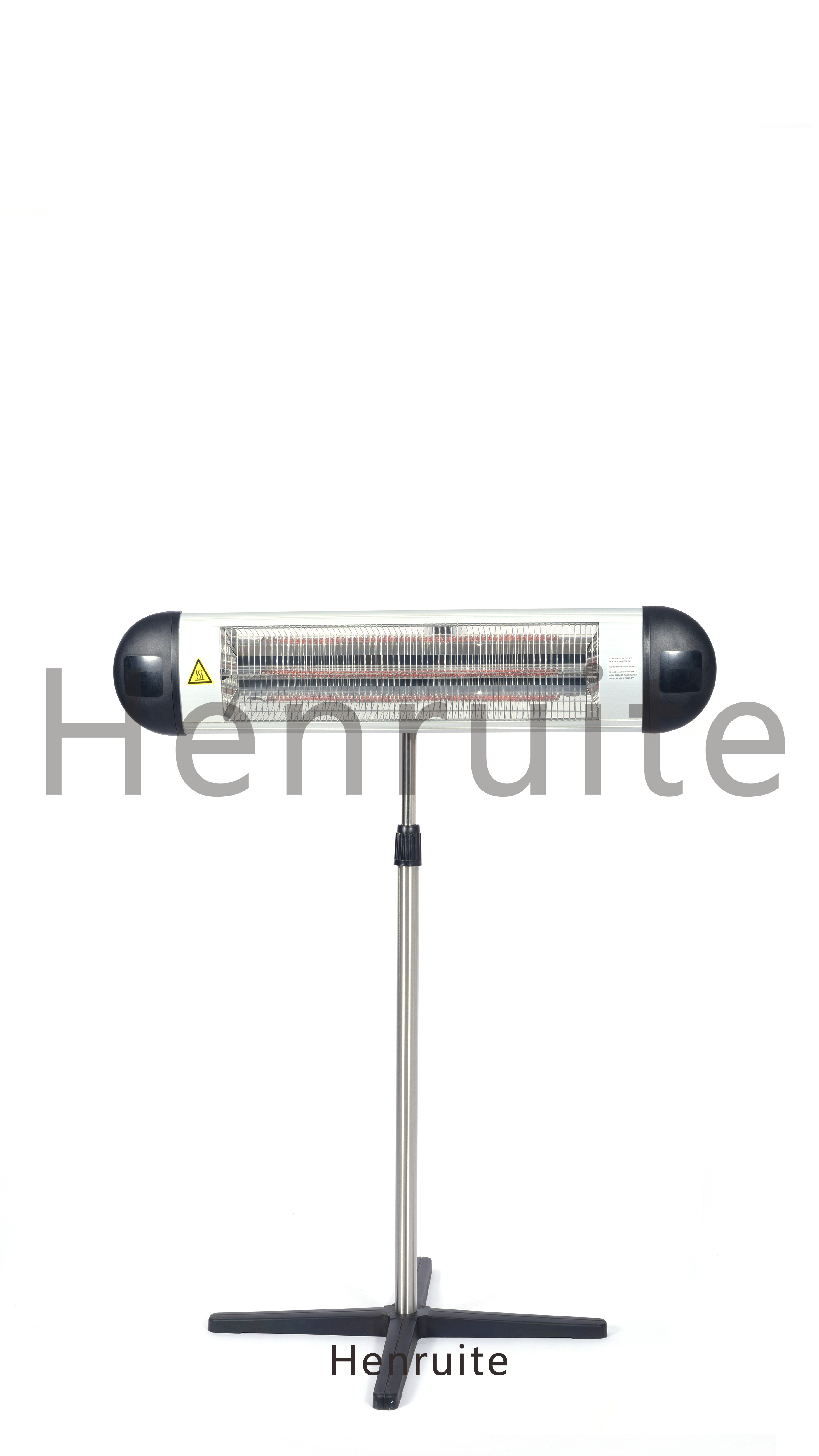
Water and dust are basically the natural enemies of industrial heating elements. It’s a simple, brutal cycle: moisture seeps into the electrical terminals or hits a scorching quartz tube, and suddenly you’re dealing with a short circuit or a shattered element. It’s a headache nobody needs. That’s why we built our heaters with an IP65 rating. What does that actually mean for you? In plain English, it means the unit is dust-tight and can handle water jets hitting it from any angle without flinching. We use high-temp gaskets and sealed cable entries to keep the gunk out. This stops “fogging”—that annoying condensation that builds up on the surface. When that happens, your heat gets uneven, and your tubes burn out way faster than they should. By keeping the insides bone-dry, we stop the electricity from leaking into the chassis. Dealing with the “Splash Factor” If you’re working in a wash-down area or a PET blowing line, you know the risk. A single cold droplet hitting a 600°C tube can make the glass crack in a heartbeat. It’s loud, it’s messy, and it kills your production. To fix this, we added a protective outer shield. It acts like a buffer, deflecting direct sprays while letting the infrared waves pass right through. Plus, we beefed up the seals at the connection points. You won’t find that nasty corrosion on the terminals that usually forces you to buy a replacement twice a year. A quick heads-up on the trade-off Here’s the thing: no seal is perfect. Because the IP65 housing is so good at keeping water out, it also traps some of the heat inside. You’ll want to make sure your ventilation is dialed in so the control electronics don’t get too hot. If you’re running these at max wattage in a room with zero airflow, the internal temperature is going to climb. Just keep an eye on your breeze to balance that waterproof seal with a bit of cooling.