The Struggle with Wide-Format Low-E Glass Heating
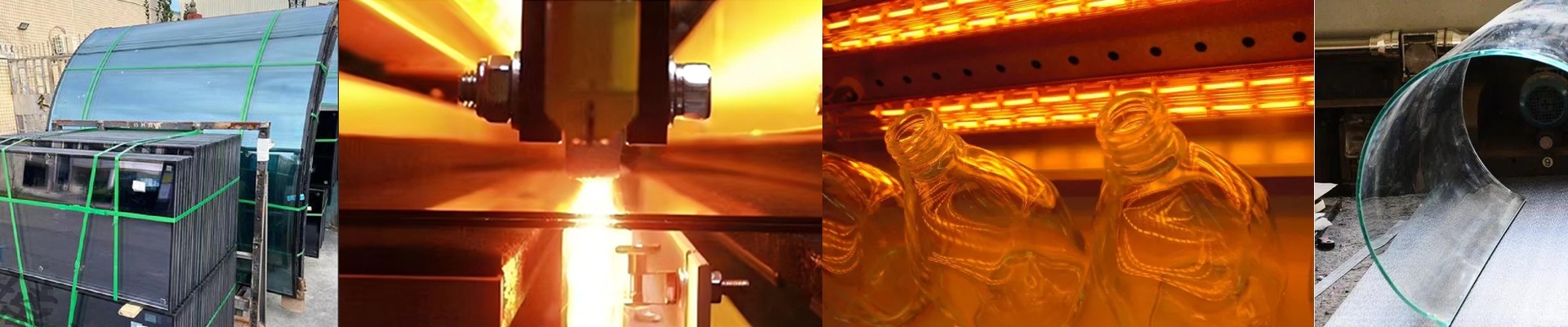
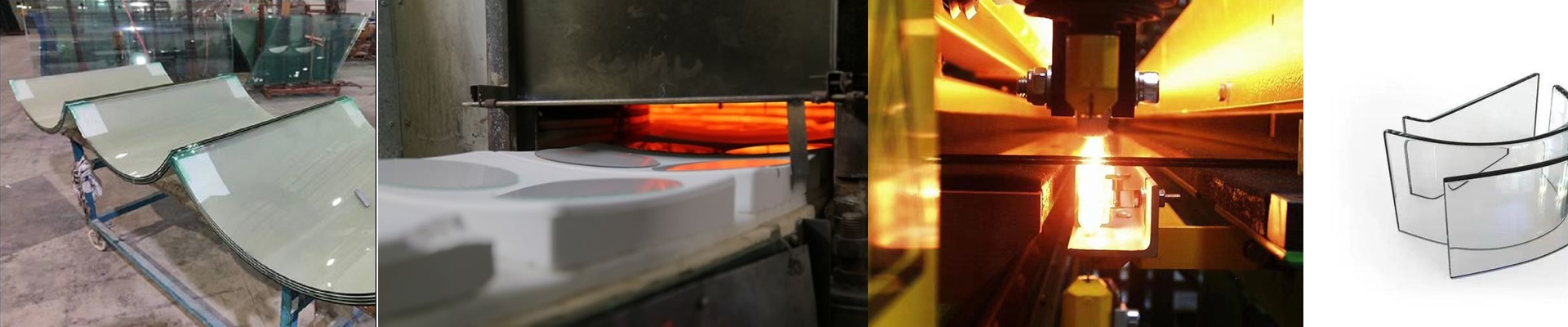
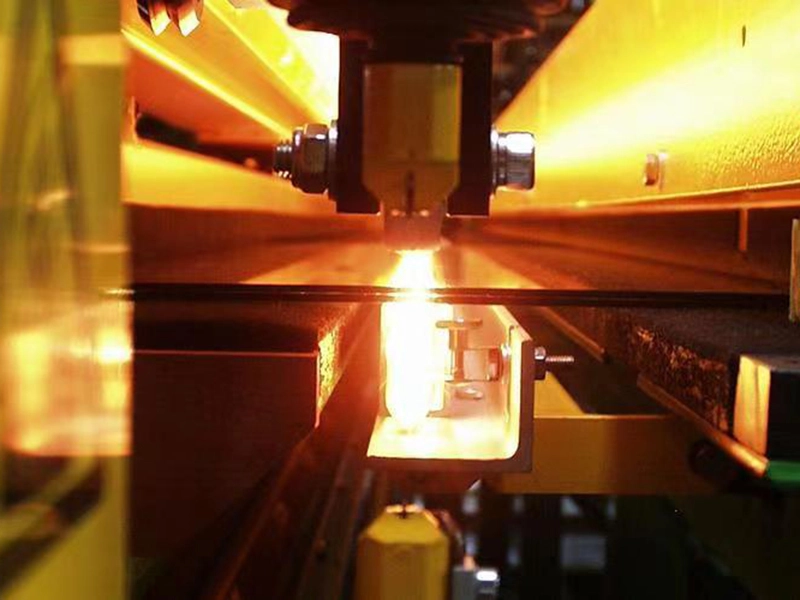
If you’re preheating wide-format Low-E glass, you know the nightmare of cold spots. It’s frustrating. Most off-the-shelf lamps stop at 2 or 2.5 meters, but when your line hits 3 meters or more, you’re in a tough spot. You can’t just slap a few short lamps together. If you do, you’ll end up with thermal stripes across your glass, and that’s a quality control disaster. That’s why we build custom, continuous infrared units. We basically take the guesswork out of the wide-format problem. Dealing with the electrical headache Scaling a quartz lamp past 3 meters isn’t as simple as making it longer. You run into real electrical hurdles. If you aren’t careful, the tube can actually sag under its own weight, or the current becomes a mess. We handle this by tailoring the voltage and wattage to your specific power grid. Since a longer filament means more resistance, we tweak the tungsten wire gauge. This keeps the heat density steady from one end to the other. No hot spots, no cold spots—just a smooth, consistent thermal profile across the whole span. The nuts and bolts We use high-purity quartz because it can take the thermal shock without cracking. For Low-E jobs, we often add special coatings to the tube. This stops the heat from just bouncing off the surface and actually forces it to penetrate the glass coating. Plus, we make these as drop-in replacements for your existing annealing tunnels. No need to tear everything apart. We also use heavy-duty connectors because we know these things run 24/7. The last thing you need is a burnt-out wire killing your production mid-shift. One thing to keep in mind… Here’s the trade-off: these massive lamps have a lot of thermal inertia. They aren’t like a light switch; they take a bit longer to hit that perfect set-point temperature. You’ll want to sync your conveyor speed with that ramp-up time. And a word of caution: if your line stops suddenly, the heat buildup in a 3-meter tube is intense. Make sure your cooling blowers are beefy enough to handle that ambient spike, or you risk cracking the quartz.