Getting Your Voltage Right for Fiberglass Annealing
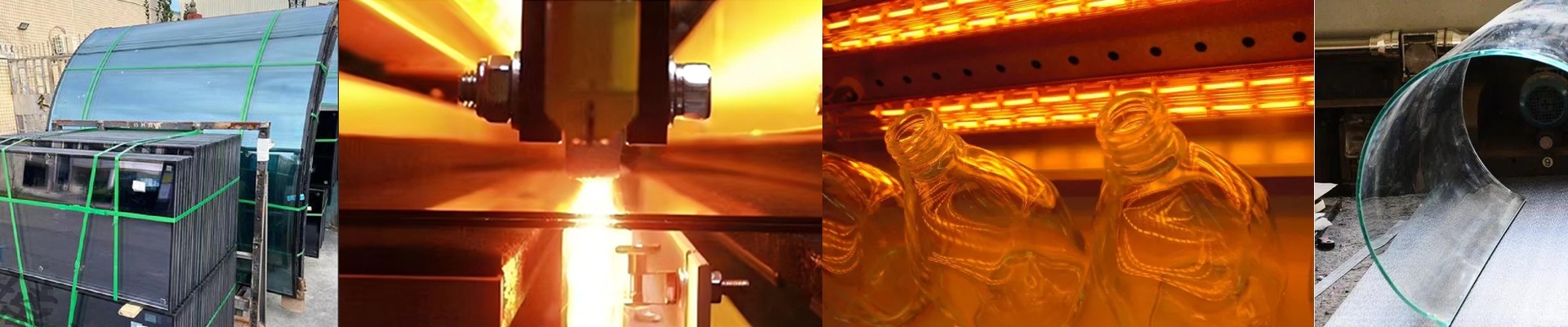
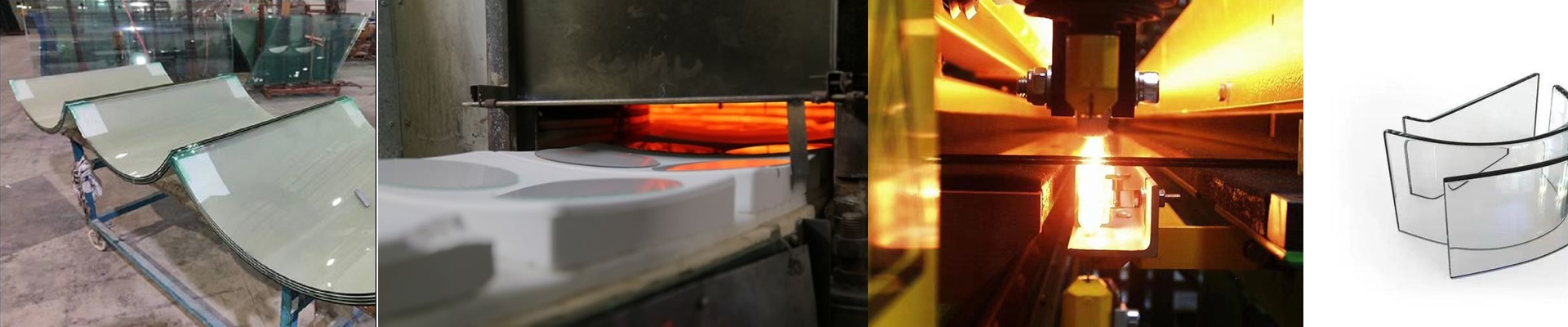
When you’re annealing fiberglass, it’s all about that “thermal soak.” You need to get the internal stress out of the composite without accidentally ruining the structure. We use shortwave infrared lamps to get the job done, but here’s where things get tricky: the power grid. If you take a heater built for a standard 110V North American line and plug it into a 480V or 575V industrial circuit, it’s gone. Poof. It’ll burn out instantly. The trick to the hardware We don’t just slap a transformer on a lamp and call it a day. We actually build the lamps to match whatever voltage you’ve got at your site—whether that’s 110V, 480V, or 575V. We do this by tweaking the actual tungsten filament. We adjust the diameter and the length so the lamp hits the right wattage for your specific facility. And there’s a real perk to going with those higher voltage lamps (the 480V or 575V ones). You pull less current to get the same amount of heat. That means you can use smaller breakers and thinner wiring, which makes the whole setup a lot cleaner. On the flip side, if you try to push a high-wattage bank through a low-voltage circuit, you’re going to see massive current draws and voltage drops. That’s a recipe for uneven heating, and in this business, uneven is bad. Fitting them into your line We make these lamps in different lengths and with various connectors. The goal is for them to just slide right into your existing racks without a headache. Just a heads-up: while higher voltage keeps the wiring slim, it does increase the risk of arcing if your insulation is getting old. Just double-check that your switches and contactors are rated for the voltage you pick. The real-world result In an annealing tunnel, heat density is the name of the game. We tune the wavelength so it actually sinks deep into the resin and glass fibers. The result? You ramp up to temperature faster, and you don’t need a tunnel that stretches halfway across the factory floor. One last thing: these high-density lamps put out a ton of ambient heat. Make sure your cooling fans are up to the task. Otherwise, you’ll end up cooking your own control electronics, and nobody wants that.