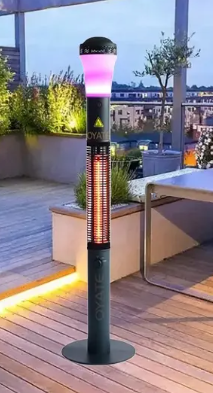
Stop Your Outdoor Heaters From Dying Early
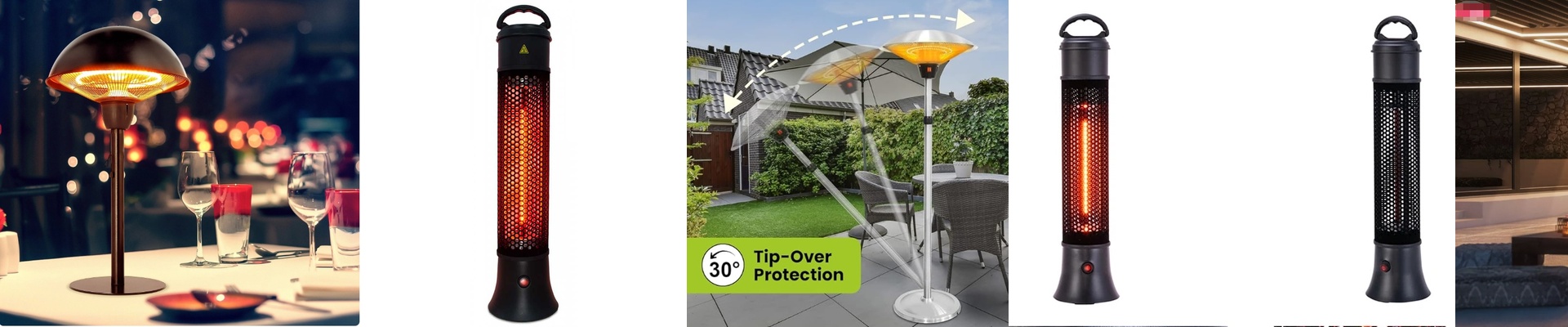
When we build infrared heaters for patios or half-covered decks, the cold isn’t actually the biggest enemy. It’s the moisture. Water getting inside or condensation building up is usually why these units burn out way before they should. It’s frustrating, and it’s expensive.
Why “Fog” Kills Heaters
Here is how it happens: a tiny bit of moisture hits a scorching hot quartz tube, and snap. That’s thermal shock. Or, humidity just slowly creeps into the electrical terminals until something shorts out. We handle this with two layers of defense. First, we use housings that keep the splashes out. Simple. This keeps the wiring dry and happy. But the real secret is the anti-fogging seals around the emitter. These seals stop humid air from turning into dew right on the heating element. When a droplet hits a tube that’s 500°C, it creates a cold spot. That uneven heat puts a massive amount of stress on the quartz. Eventually, it cracks.
The Trade-offs (Because Nothing is Perfect)
We use reinforced seals and coated reflectors to fight off rust. If you’re near the ocean or in a steamy environment, raw aluminum reflectors will pit and lose their shine in a single season. Our coated ones actually keep pushing the heat where it needs to go. Now, there’s a catch. When you seal something tight to keep water out, you restrict the airflow. That means the internal electronics get warmer than they would in a wide-open design. To fix that, we just over-spec the heat sinks on the control boards. We give them more room to breathe so they don’t cook themselves.
A Quick Tip on Installation
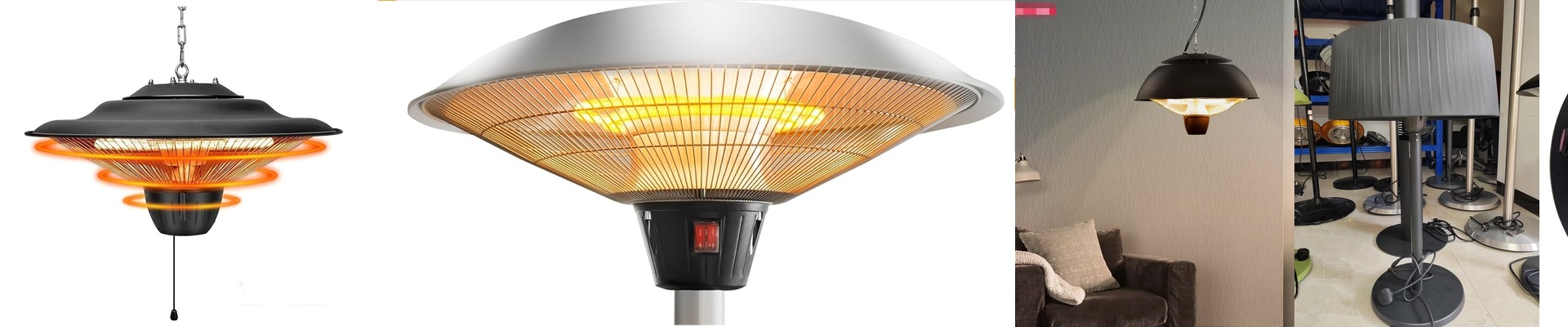
You can have the best heater in the world, but if you mount it wrong, you’re fighting a losing battle. If you tuck the heater too close to a ceiling or shove it into a dead-air pocket, you’ve basically built a condensation trap. Give it some space. We recommend a minimum clearance so the air can move naturally and carry moisture away from the seals. If you don’t leave that gap, those anti-fogging seals have to work twice as hard, and they’ll wear out a lot faster.