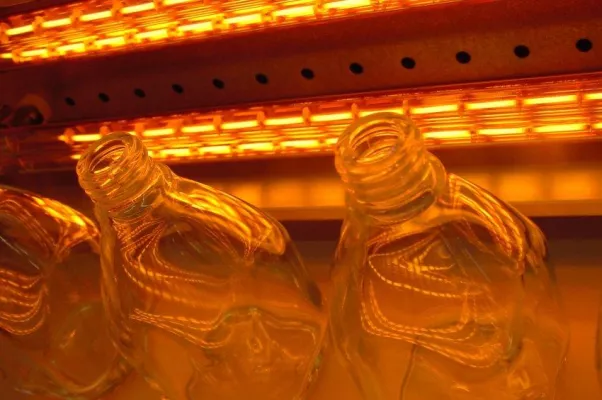
Stop Guessing Your Glass Temp: Why Lamp Consistency Actually Matters
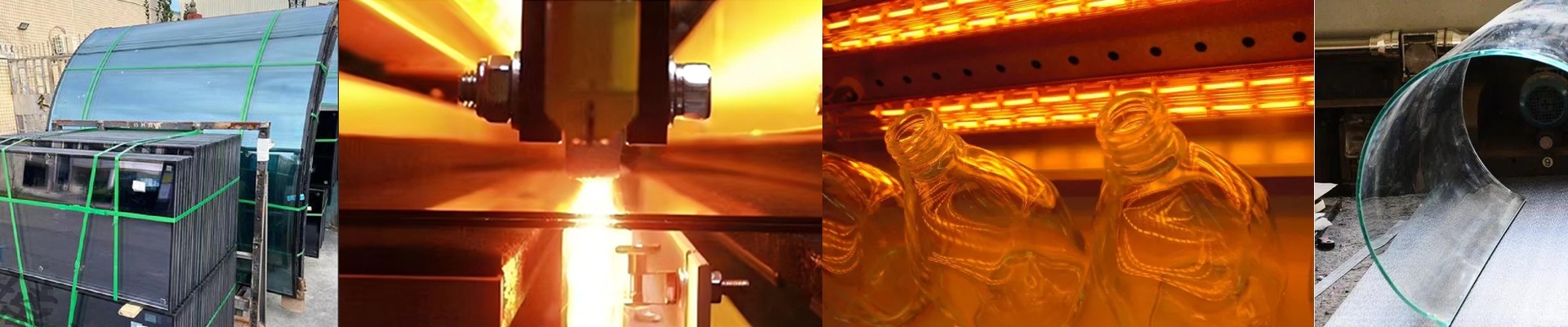
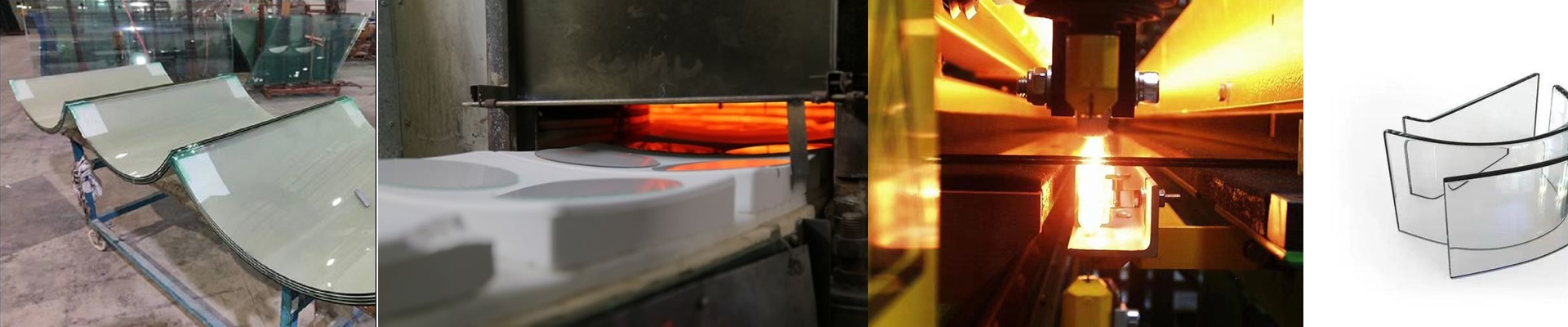
Annealing glassware is all about hitting that sweet spot. If one side of your batch hits 540°C but the other side is lagging at 520°C, you’ve got a problem. Internal stress builds up, and then—boom. The glass cracks. Just like that. Most people start by blaming the oven controller. But usually? The problem is actually the lamps.
The “Invisible” Problem
I see this all the time: shops mixing and matching different brands of IR lamps. On paper, they might all be the same wattage. But in the real world, a tiny difference in how the filament is wound or the purity of the quartz changes everything. It creates these invisible hot and cold spots across your rack. You can’t see them, but your glass definitely feels them. That’s why we stick to high-consistency shortwave IR. We tighten the tolerances on the filament resistance and the quartz thickness so every single lamp puts out the exact same amount of heat. When the heat flux is identical across the whole zone, the glass warms up evenly. No surprises.
The Gear (and the Gotchas)
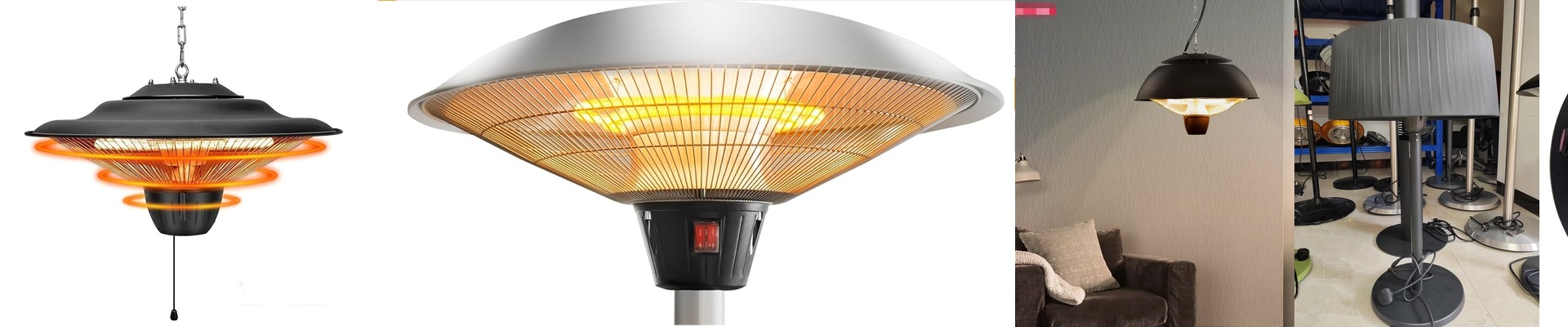
For this kind of work, we usually go with high-wattage quartz halogen tubes. Shortwave radiation is great because it punches through the glass surface fast. This means your pieces spend less time stuck in that awkward transition zone. But here’s the thing: watch your power density. Sure, pumping massive wattage into a small space speeds up your cycle. It feels great. But it puts a huge strain on your electrical panels and cooling blowers. If your cooling isn’t beefy enough to handle the heat soak, you’re going to fry your connectors.
How to Actually Test It
When you wire up a new array, don’t just flip the switch and assume it’s working because the lamps are glowing. Grab a pyrometer. Map the surface temperature of the glass at five different spots in the batch. If you see a difference of more than 5°C, your lamps aren’t consistent enough for high-end work. Switching to high-consistency lamps kills that drift. It means the very first piece in the oven gets the exact same treatment as the last one. That’s how you actually stop the batch variance.