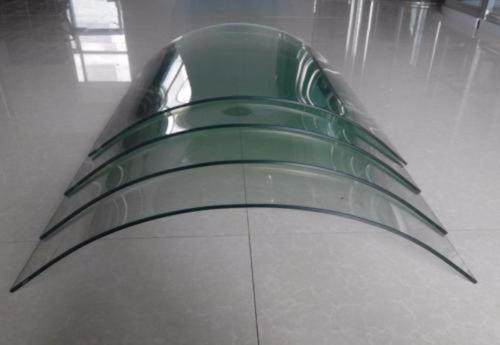
Getting Low-E Glass Preheating Right (Especially the Wide Stuff)
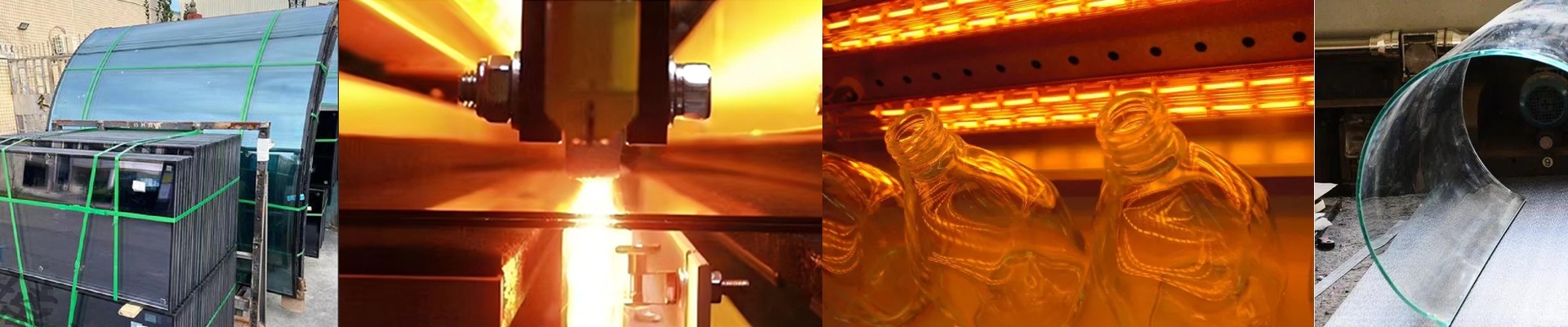
If you’re trying to preheat wide-format Low-E glass, you know the struggle. You need the heat to be perfectly even across the whole sheet. But once you hit widths over 3 meters, those standard, off-the-shelf lamps just don’t cut it. You end up with gaps. That’s why we don’t do “standard.” We build custom, continuous infrared units that actually fit your specific oven footprint. The struggle with long heating units You can’t just stretch a wire to 3 meters and call it a day. If you do, you’ll run into voltage drops and those annoying cold spots. It’s a headache. To fix this, we play around with the wattage per centimeter. We use segmented arrays or high-wattage quartz tubes. The goal? Making sure the center of your glass is just as hot as the edges. No guessing games. The nitty-gritty on materials We house the tungsten filaments in high-purity quartz glass. But since we’re dealing with Low-E glass, we often add specific coatings to the tubes. Why? Because without them, the energy just bounces off the surface. These coatings shift the emission spectrum so the heat actually sinks into the glass. Then there’s the wiring. This is where most setups fall apart. Heat makes things expand, and if your connectors are cheap, they’ll burn out at the terminals. We use heavy-duty connectors and reinforced leads to stop that from happening. One heads-up: these 3-meter units pull a lot of current. They’ll talk to your PLC controls just fine, but make sure your power distribution blocks can handle the load. You don’t want to be tripping breakers in the middle of a run. The trade-offs you should know about These units put out a massive amount of heat. That’s great for the glass, but tough on your equipment. If your heat shields or cooling fans aren’t up to the task, the radiant heat will warp your frame or fry your sensors. It’s a mess to fix. To keep things under control, we suggest using independent temperature zones. It lets you fine-tune the heat across the width of the tunnel, giving you way more control over the final result.