Getting Infrared Heating Right for Long-Glass Tunnel Kilns
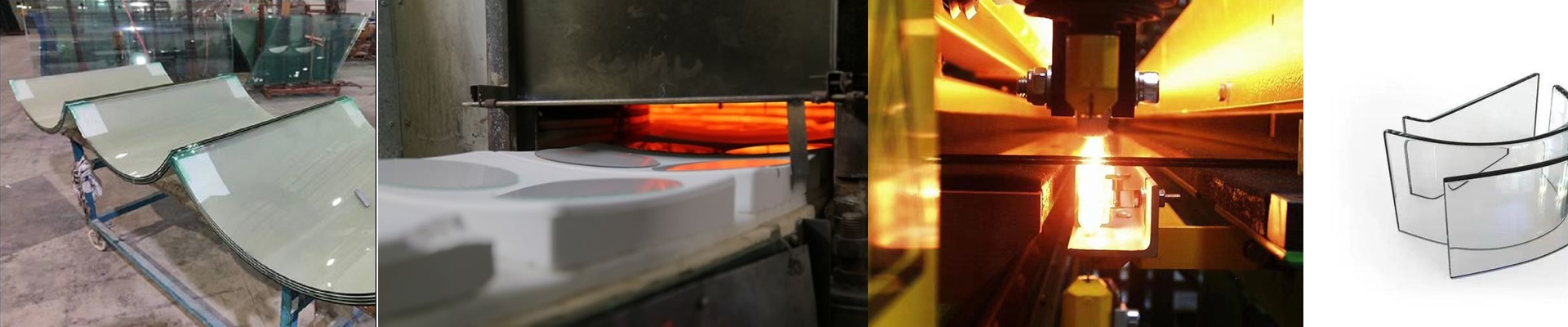
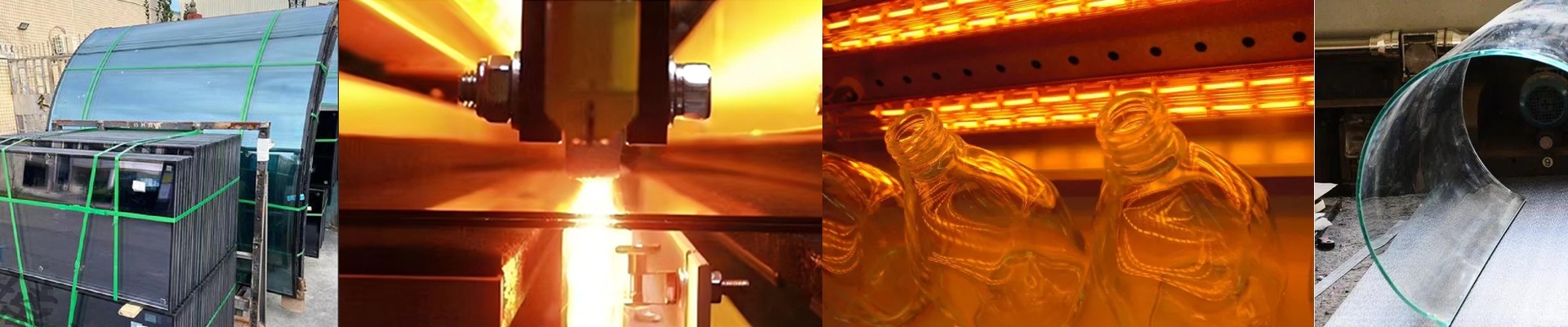
If you’re running a tunnel kiln for oversized glass sheets, you already know that standard off-the-shelf lamps just don’t cut it. I get asked all the time how to handle heating zones longer than 2 meters without ending up with annoying cold spots or—even worse—blown tubes. The secret isn’t just “buying a bigger lamp.” It’s about using custom continuous quartz arrays.
The trick to power and length
Here’s the thing: you can’t just stretch a single filament to fit a massive kiln. If you do, you’ll deal with huge voltage drops and heat that’s all over the place. Instead, we build these as modular, continuous arrays. We tweak the wattage and voltage to fit your specific power grid. Usually, that means leaning toward higher voltages to keep the current under control across those long runs. It keeps the heat steady from one end to the other. Because if you try to cram too much wattage into one long tube? You’ll probably just burn out the ends.
Why quartz (and why it breaks)
We stick with high-purity fused quartz. It’s the only thing that can handle the constant heating and cooling of a glass line without giving up. But here is where a lot of engineers mess up: the mounting. Quartz expands and contracts. If your clips are too tight, the tube is going to snap the very first time it heats up. We use specialized clips that give the material room to breathe. It’s a small detail, but it’s the difference between a working kiln and a pile of expensive broken glass.
The reality of installation
Wiring up an array over 2 meters is a bit of a puzzle. You have to be really careful with the layout so you don’t end up with a mess of cables or electromagnetic interference. And a fair warning: these things are fragile. When you’re dropping a custom tube into place, one wrong bump can crack the whole thing. You need a rock-solid frame and a very steady hand. Plus, keep an eye on your cooling fans. The more heat you pump into the glass, the harder those fans have to work to keep the kiln housing from warping.