Getting Glass Stress Relief Right
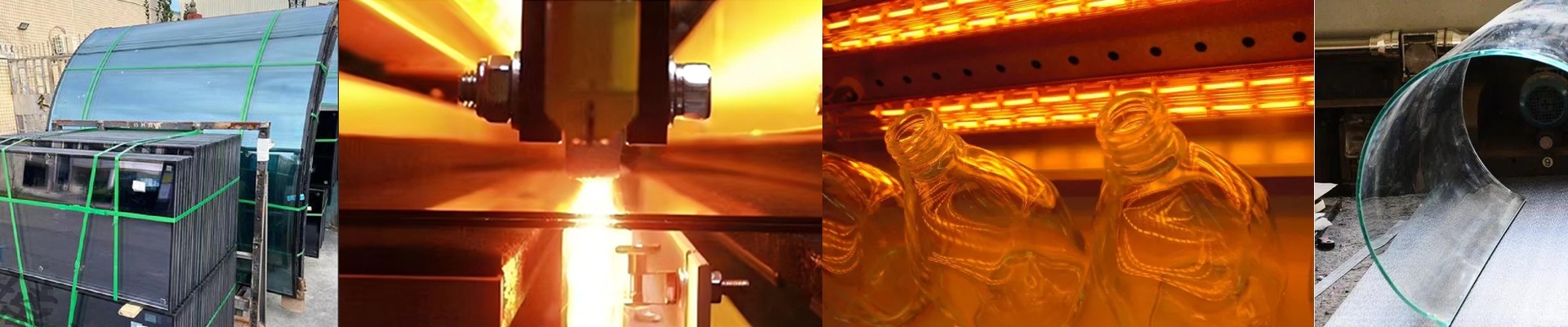
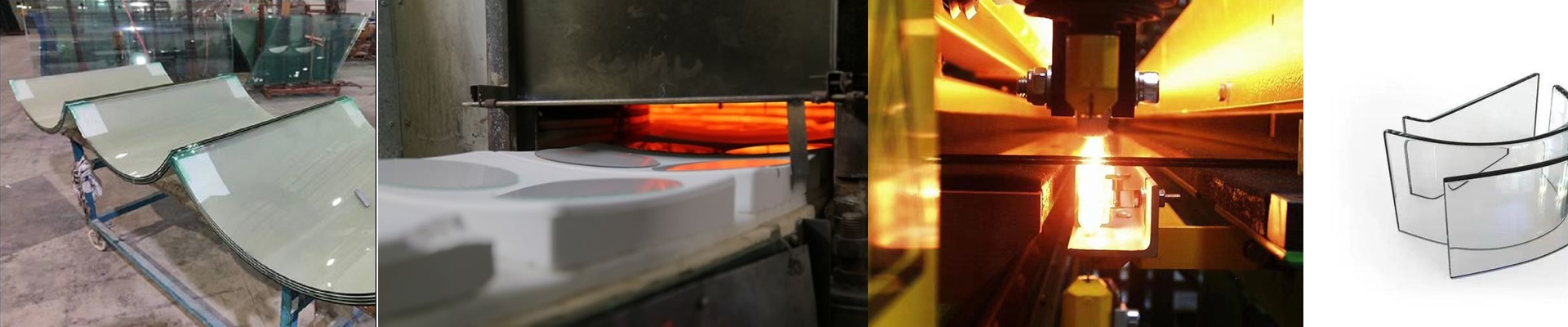
When you’re working with lab-grade glassware, there’s no such thing as “close enough.” One tiny temperature swing during cooling and you’ve got internal stress. Then, out of nowhere, the whole thing shatters. It’s a nightmare. All that precision work, gone in a second because of a few degrees. The 0.1°C Difference Here’s the thing about glass: it has a very temperamental window for transitioning. To keep things from cracking, we use infrared elements that stay stable within 0.1°C. It’s not about blasting the glass with heat. It’s about balance. Most heaters just overshoot the mark, which shocks the glass surface. By keeping that tolerance tight, the glass can just… relax. The molecules get the time they need to settle into place without any new tension creeping in. How the IR Setup Works We go with short-wave infrared emitters. Why? Because convection ovens waste time heating the air first. IR hits the glass directly. It’s faster. No lag. We wrap these elements in high-grade quartz to keep everything clean and pure—you don’t want random contaminants floating around your lab. But the hardware is only half the battle. You’ve got to pair these with high-res PID controllers. If your sensors aren’t perfectly in sync with the heater, the temperature will start to bounce around, and you’re right back where you started. The Real-World Trade-offs Now, this kind of precision isn’t free. You need a rock-solid power supply. If your voltage ripples even a little, that 0.1°C precision disappears. You’ll want a dedicated, stabilized power source to keep things steady. One more thing: the harder you push these elements, the faster they wear out. It happens. To keep your annealing curve from drifting, just set a schedule to swap them out before they start to dip. It’s much easier than losing a batch of vessels.