Stop Trying to Force Standard IR Lamps Into Tight Spaces
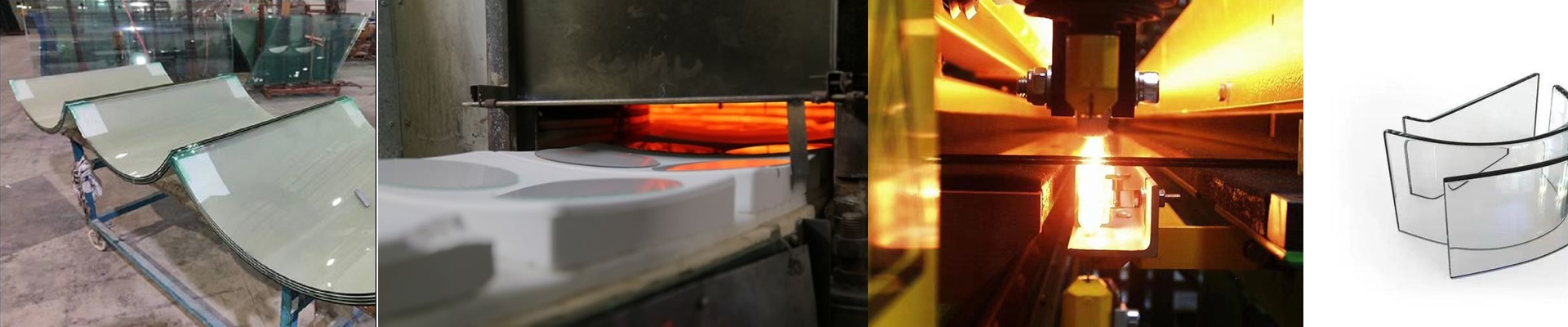
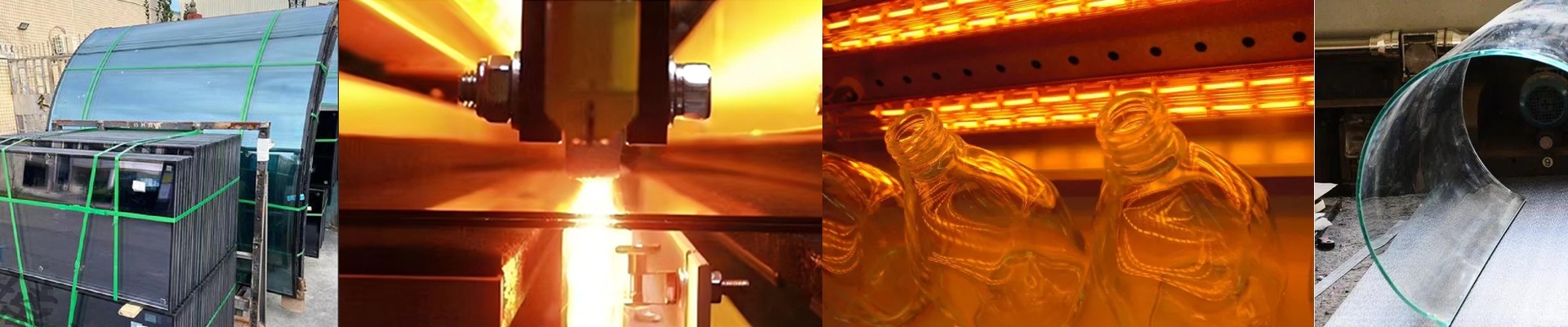
Ever tried to squeeze a stock infrared lamp into a bending furnace that just wasn’t built for it? It’s a headache. When your chassis is cramped or your heating zone is some weird, irregular shape, a standard tube just won’t cut it. We deal with this by changing the actual physical shape and length of the emitter. Basically, we build the lamp to fit your machine, not the other way around. Getting the fit right In precision annealing, you need the heat to hit the workpiece evenly. If you’re working with a tight furnace, you can’t just jam in a standard lamp. If you do, you’ll end up with cold spots or, worse, you’ll burn the lamp out because there’s no room for the air to move. We figure out the exact length and curve needed so the emitter sits at just the right distance from the part. This keeps the quartz envelope from overheating while still giving you the wattage you need per centimeter. Shapes and heat We can bend and cut tubes to follow whatever path your machine requires. U-shapes, circular arrays, or just a specific short length—we can do it. And since we change the shape, we recalculate the internal filament so the voltage and wattage stay exactly where they should be. But here is the thing: you have to keep an eye on your power density. A short lamp with high wattage puts out a ton of heat in a very small area. If you push too much power into a tight spot, your wiring and connectors are going to take a beating. Before you wire everything up, double-check that your current leads can actually handle the load. The real-world payoff When you use a custom-shaped lamp, you can put the heat exactly where the bend happens. This means you don’t need a massive, oversized furnace housing taking up half your shop floor. Your machine stays small, and your ramp-up times get faster. Just a heads-up: the closer the lamp is to the workpiece, the easier it is to accidentally hit it. Quartz is fragile. I highly recommend using some heavy-duty guards so you don’t shatter a lamp while loading parts.