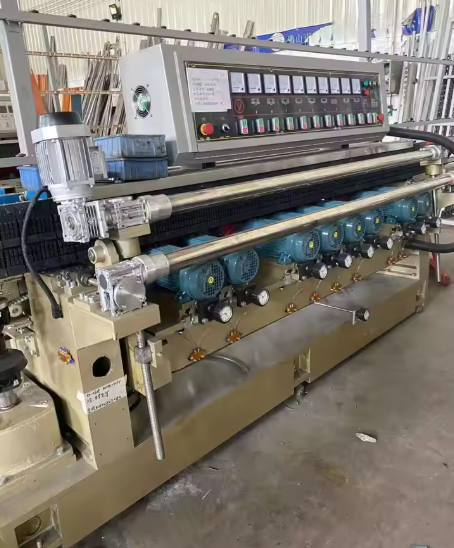
Stop the Chipping: Why a Little Heat Goes a Long Way
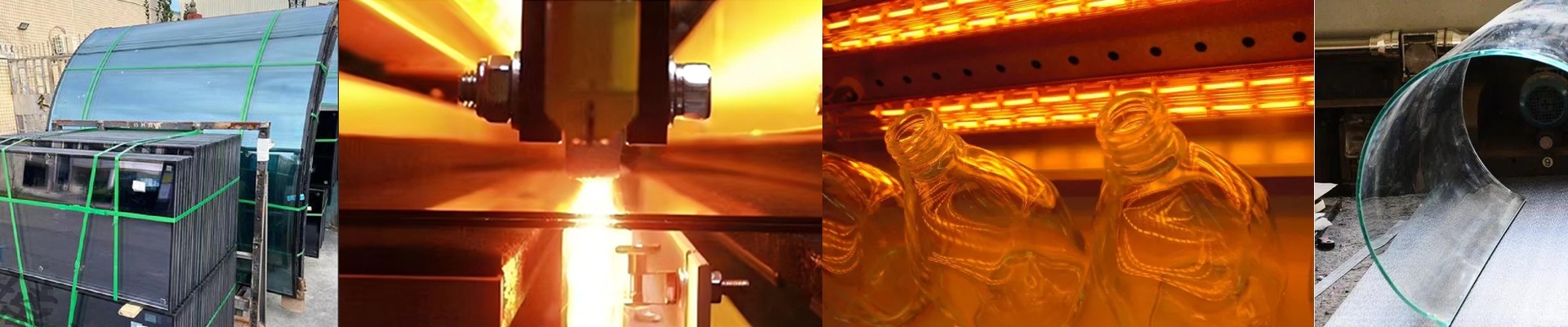
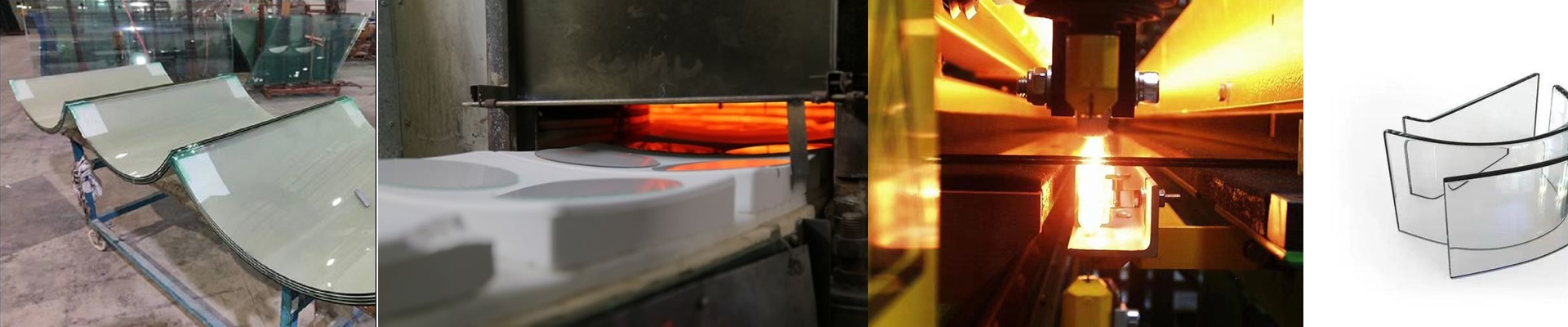
Cutting glass is basically just a game of controlled breaking. You’re creating a stress point with a wheel, hoping the glass snaps exactly where you want it to. But here’s the problem: when glass is cold, it’s stubborn. Instead of a clean snap, you get those annoying chips or corner breakouts. The fracture wanders off the score line, and suddenly, you’re staring at a ruined piece of material. It’s frustrating, and it wastes money. The trick is a bit of warmth. We use single tube infrared lamps to heat the surface of the glass right before the cutting head hits it. Think of it as “relaxing” the material. By warming it up, you change the surface energy and lower the viscosity. The result? A much cleaner break. The fracture actually stays on the line, and those jagged chips mostly disappear. How it actually works on the floor We usually go with shortwave infrared tubes. The beauty of shortwave is that it doesn’t try to heat the entire slab of glass—which would take forever. It just hits the surface fast. Since the glass is moving on a conveyor, you only have a few seconds to get the temperature up, so you need a lot of power density. We use quartz-based lamps because they can handle the heat without cracking. The setup depends entirely on your speed. If you crank up the line speed, you’ve got two choices: bump up the wattage or move the lamps closer to the glass. You just have to make sure that surface temperature stays consistent. The catch (because there’s always one) You can’t just blast the heat and call it a day. Thermal management is the real headache here. If you use high-wattage tubes to stop the chipping, you’re pumping a massive amount of radiant heat into your workspace. If you aren’t careful, that heat can warp your machine frames or fry your conveyor bearings. You’ve got to get your shielding and cooling fans exactly right. And don’t go overboard. If you overheat the glass, you’re just trading one problem for another. Too much heat creates new stresses, and you might find the glass cracking spontaneously during the break. It’s all about finding that sweet spot.