Fixing the Cold Spot Problem in 2m+ Glass Tunnel Kilns
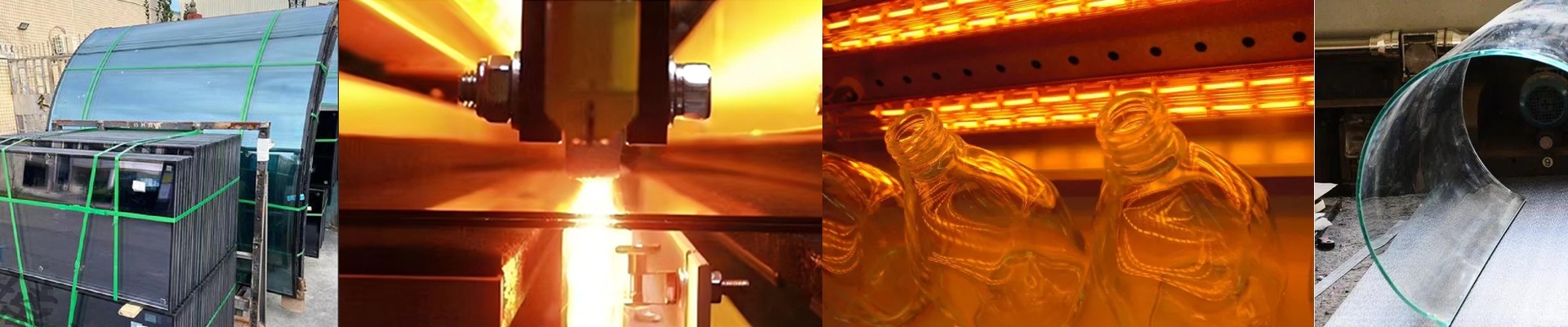
If you’re cutting glass using thermal stress, you know that the temperature gradient has to be spot on. But here’s the problem: when your tunnel kiln is over two meters long, those standard, off-the-shelf infrared lamps just don’t cut it. They leave gaps. Those little cold spots might not seem like a big deal, but they lead to uneven stress and erratic breakage. It’s frustrating. To fix this, we build custom, continuous-array infrared heaters specifically for these ultra-long lines. No gaps. No surprises.
Handling the heat in long arrays
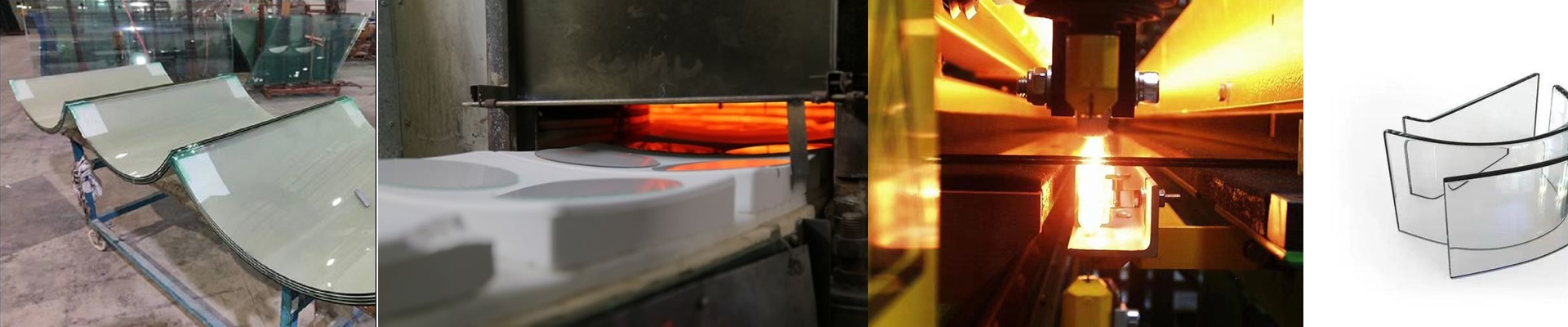
We don’t just string a bunch of small bulbs together and hope for the best. That doesn’t work. Instead, we carefully calculate the wattage and voltage so the heat stays constant from the moment the glass enters the tunnel until it leaves. By using high-wattage quartz tubes, we can keep the setup compact while still hitting the intensity you need for fast heating. But you have to be smart about the power load. If you cram too much wattage into one long unit, your current draw will spike. To stop that from happening, we usually split these long arrays into zoned sections. It’s a lifesaver because it lets you tweak the heat in the middle of the kiln without messing with the ends.
The tricky part: Quartz and Supports
We use high-purity quartz glass for the envelopes because it lets the infrared light through perfectly. But the real challenge is the mechanical support. Think about it: a two-meter tube gets soft when it’s screaming hot. If you aren’t careful, it’ll just sag under its own weight. We’ve developed reinforced mounting clips that hold everything steady without creating those tiny stress points that make quartz crack. And since these things run 24/7 in a loud, dirty factory, we don’t do flimsy plastics. We use heavy-gauge wiring and heat-resistant ceramics. It’s built to last, even at the terminals where things usually burn out.
Getting it installed
The best part? These units basically drop right into the spot where your old resistive heaters used to be. They heat the glass directly rather than wasting time heating the air, so your ramp-up time disappears. Just a heads-up: a continuous 2m+ array puts out a massive amount of heat. If your control cabinet is sitting too close, you’re going to bake your electronics. Make sure your ventilation and cooling can handle the reflected heat bouncing off the kiln walls.