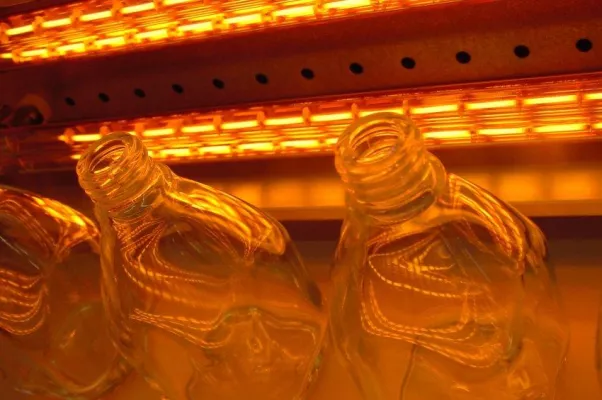
Squeezing High-Density Heat into Mobile Glass Rigs
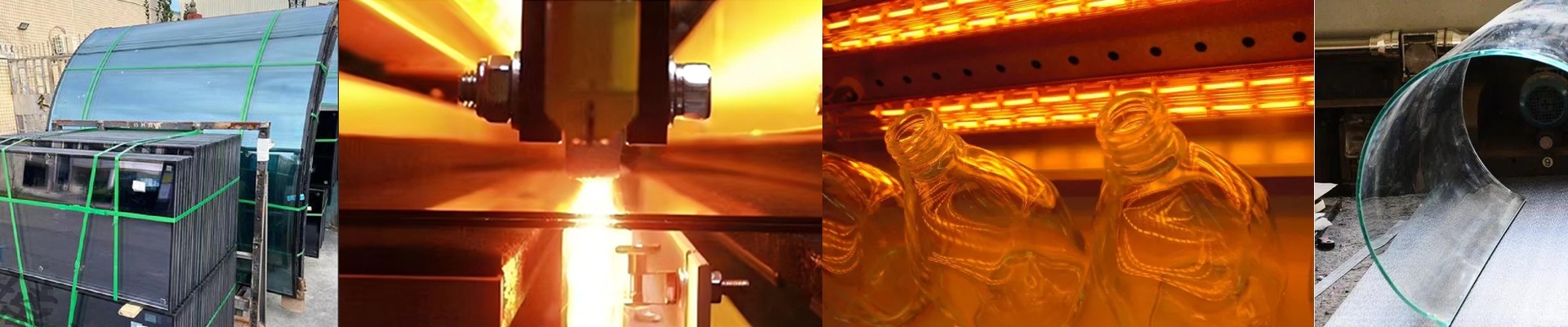
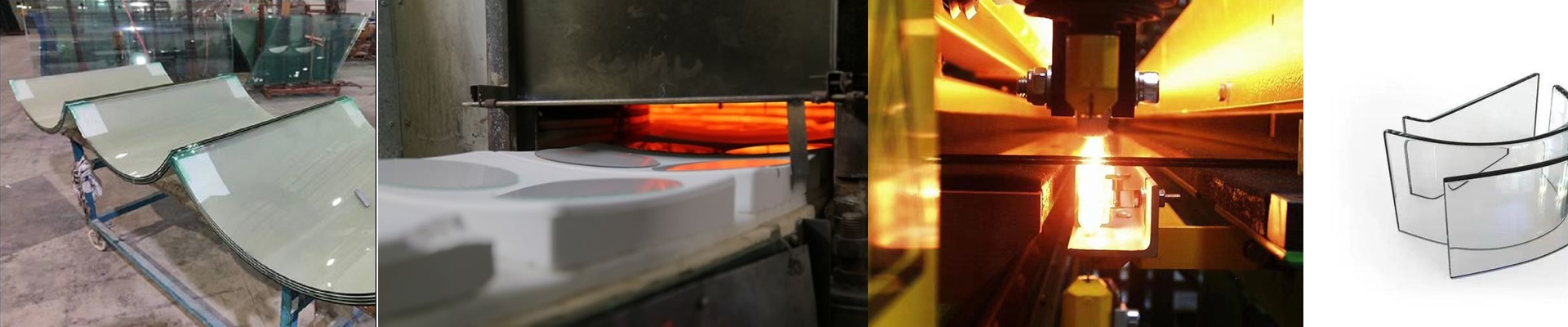
When you’re trying to jam a high-performance heating system into a mobile repair bracket, you’re basically fighting for every single millimeter. It’s a tight squeeze. You’ve got limited voltage, a tiny footprint, and zero room for bulky gear. That’s why we lean on shortwave infrared (SWIR) lamps. They give us the heat density we need to soften glass without having to lug around a massive oven.
The Power Struggle
Getting enough wattage into a miniature frame is a bit of a balancing act. We focus on the power-to-length ratio. By using high-wattage quartz tubes, we can hit those specific temperature gradients needed for annealing in a fraction of the usual space. But here’s the catch: you have to be careful with your mobile power supply. If you try to push too many watts through a wire that’s too thin, you’re going to trip breakers or, worse, melt your housing. We run these lamps right up against their thermal limit just to keep the whole rig compact.
Fast Heat, No Waiting
We go with halogen-filled quartz tubes because they’re instant. There is no “waiting for it to warm up.” In the field, that’s a huge win. You clamp the bracket, flip the switch, and you’re heating immediately. We also use specific coatings on the quartz to tweak the emission spectrum. This makes sure the heat actually sinks into the glass rather than just warming up the air around it.
The Reality Check
Now, there’s a downside to packing this much heat into a small space: heat soak. These lamps do the job, but they’ll absolutely beat up the surrounding bracket if you aren’t careful. You can’t just drop them in and hope for the best. You need a solid heat sink or some active cooling for your electronics, otherwise, the ambient heat will fry your controllers. To keep things from going south during a long repair cycle, we stick to high-temp wiring and ceramic insulators. It’s the only way to make sure you don’t end up with a short circuit right when you’re in the middle of a job.