Getting Your Infrared Heater Voltage Right (So You Don’t Fry Your Gear)
Bending glass is a delicate dance. You need exactly the right amount of heat to hit that softening point, but if you’re off by a fraction, you’re looking at surface defects and wasted material. We build the infrared lamps that provide that heat, but here’s the real headache for most engineers: the power grid.
The Voltage Headache: 110V to 575V
Depending on where your shop is, your power is going to be all over the place. Here is the deal: if you take a lamp built for 110V and plug it into a 480V or 575V industrial line, it’s toast. Instantly. To stop that from happening, we customize the filament resistance and winding to fit whatever standard you’re running. If you go with higher voltage—like 480V or 575V—you can get the same wattage while pulling less current. That’s a win. It means you can use thinner wires and you don’t have to worry as much about voltage dropping across those long cable runs in a massive furnace. And if you’re just swapping out parts in an old machine? You just need a replacement that matches your existing transformer exactly. Simple.
Heat, Speed, and the Trade-off
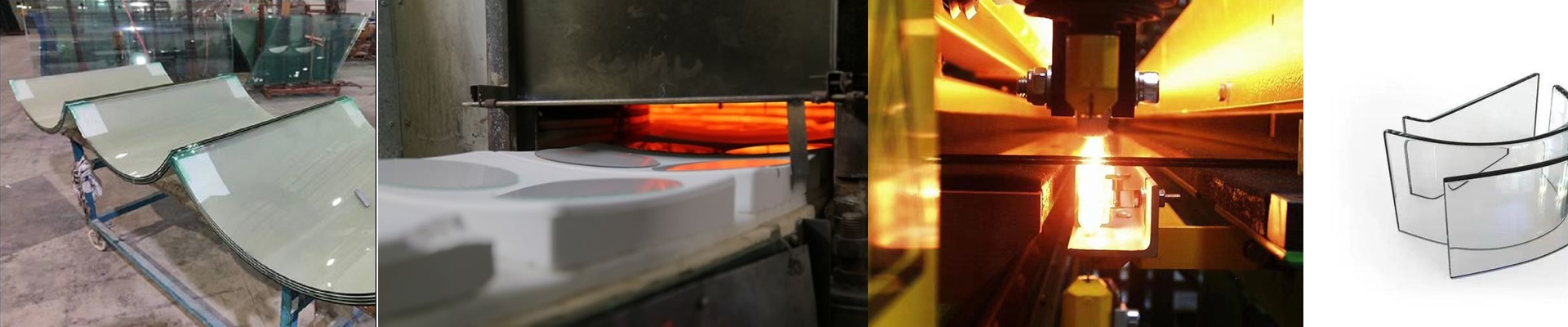
We use quartz envelopes and halogen gas to get the heat into the glass fast. High-wattage tubes are great because they ramp up quickly—which is a lifesaver for thin-glass bending. But they’re intense. Really intense. You’ve got to make sure your furnace housing and cooling fans can actually handle that extra heat. If the cooling isn’t up to the task, the ends of the lamps will overheat. Then they fail. And nobody wants to shut down a line because a lamp burnt out prematurely.
Making it Fit
Nobody likes a cluttered electrical cabinet. We offer a few different connector options so the lamps seat perfectly in your heating banks. Whether you need a weird length or a specific voltage, the goal is to get rid of those bulky external step-down transformers. It makes your wiring a lot cleaner. Plus, it removes one more thing that could potentially break in your circuit.