Getting the Heat Right: Print Quality vs. Glass Strength
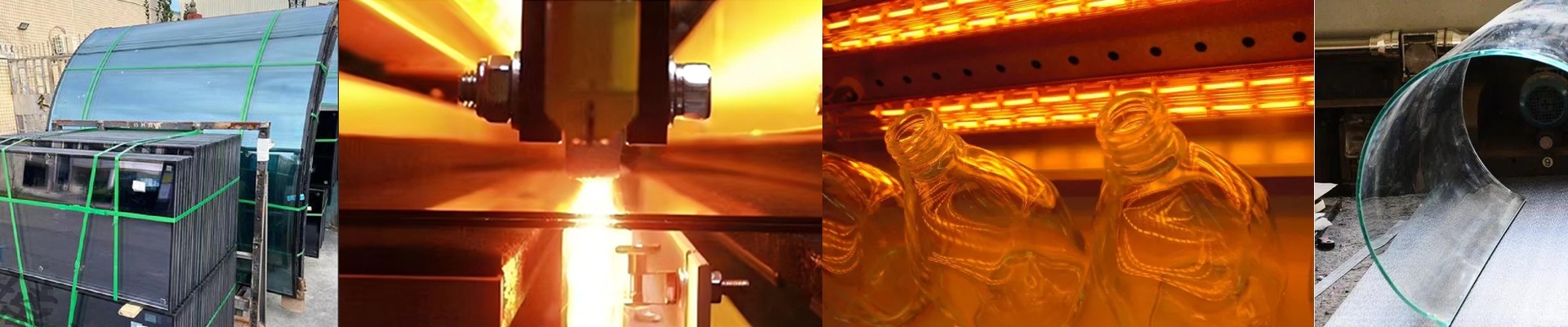
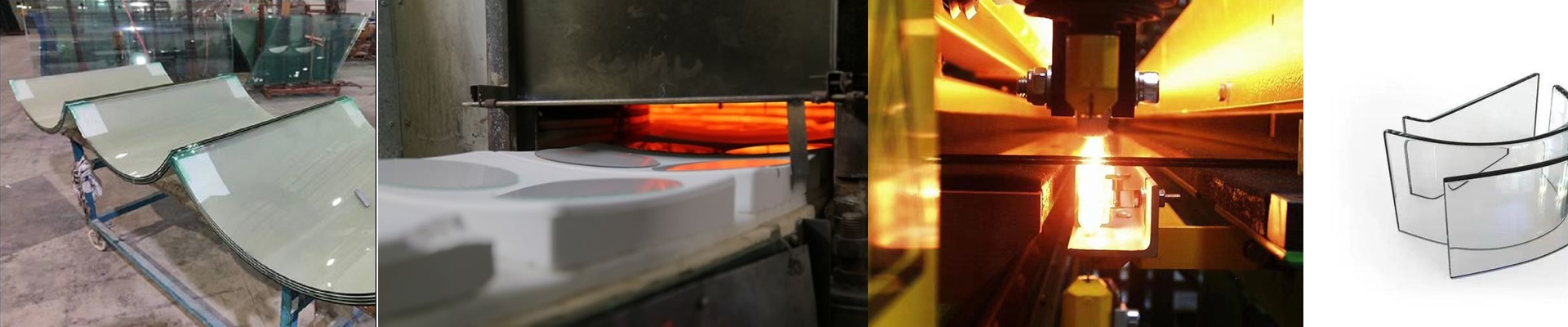
If you’ve ever tried silk-screening spectacle glass, you know the headache. You’re stuck in this annoying tug-of-war. You need enough heat to cure the ink and get rid of those internal stresses in the glass, but the second you push it too far, things go south. The edges of your pattern start to blur, or worse, the glass itself warps. It’s a delicate balance. That’s why we use targeted infrared (IR) annealing lamps to handle the heavy lifting. The trick is in the wavelength. We use shortwave IR emitters because they hit the glass surface fast. This is huge. If the surface stays hot for too long, the ink starts to “bleed” or migrate, and you’ve just ruined a batch. You can tweak the wattage and voltage to get that thermal soak just right. If you’re working with thick glass, you’ll want those high-wattage tubes for the extra punch. But keep an eye on your conveyor speed. If that belt crawls too slowly, you’re basically baking your ink into a crisp. Built for the real world We don’t make these things for a lab; we make them for the factory floor. We use high-purity quartz because it can take the constant heating and cooling without cracking. We also stuck with standard industrial connectors. Why? Because when a tube eventually burns out, you want to swap it in seconds, not spend half your afternoon tearing down the entire production line. Plus, we coat the emitters to reflect the heat forward. It puts the energy exactly where it belongs—on the glass—and stops the machine frame from getting dangerously hot. The trade-offs you should know about Here’s the thing: high-intensity lamps are great for speeding up your output, but they’re thirsty for power. Just make sure your wiring can actually handle the peak current when you flip the switch. And a word of caution on the setup. Shortwave IR is fast, but it’s picky. If your lamps aren’t aligned perfectly, you’ll get “hot spots.” You’ve got to spend a little time calibrating the height and the angle to make sure the temperature is the same across the whole lens. If you skip that step, you’ll end up with uneven stress in the glass, and that’s a problem you really don’t want to deal with later.