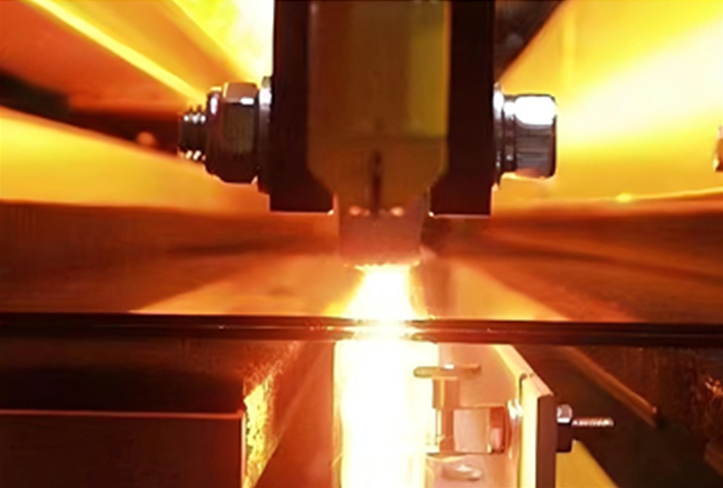
Getting IR Heating Right for Silk-Screened Glass
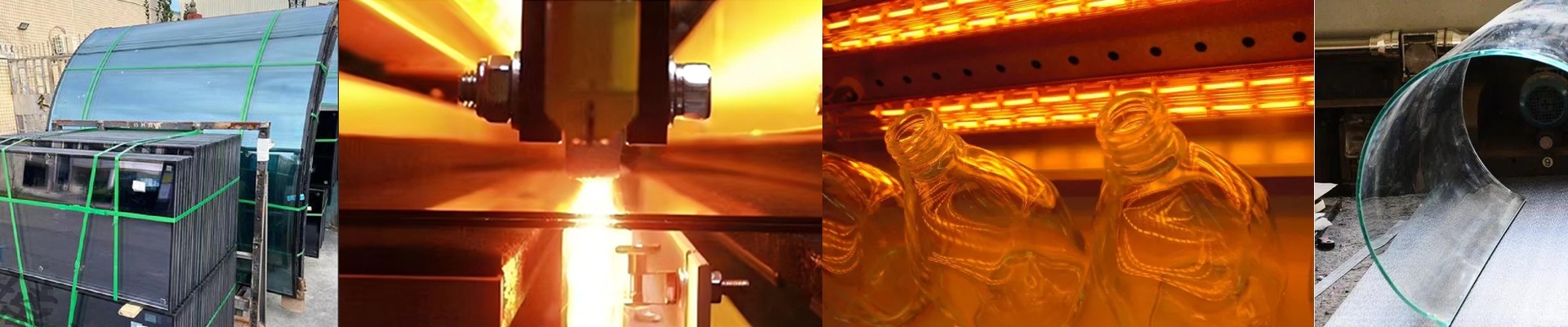
Here’s the struggle: when you combine silk-screening with tempering, you’re basically fighting a war with heat. You need it hot enough to fuse the ink and get rid of those internal stresses, but if you overdo it—or use the wrong kind of heat—your crisp patterns start to blur or, worse, the ink starts bubbling. It’s a total headache.
Keeping the Lines Sharp
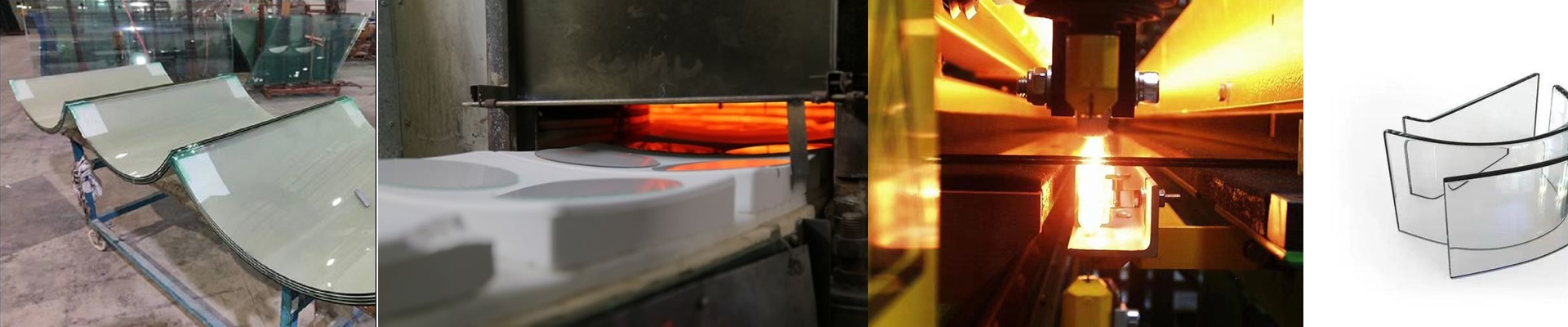
We lean on short-wave IR lamps because they hit the glass fast. The trick is to get to that tempering temperature without letting the ink “soak” in the heat for too long. If the heat creeps in too slowly, the ink starts to migrate. That’s how you lose your sharp edges. By using short-wave IR, we can target the surface layer directly. It cuts out that annoying thermal lag between the glass and the print.
Dealing with Stress
Tempering is all about heating the glass past its softening point and then slamming it with a quench. But the ink layer actually acts like a shield, blocking the heat. Because of that, we have to be obsessive about how the lamp arrays are set up. You need the heat to be perfectly even across the whole sheet. If you hit a cold spot? You’ve got residual stress. And if that balance is off, the glass might just warp or shatter the moment it hits the quench.
The Real-World Trade-offs
Now, high-wattage lamps are great for fast cycle times. But there’s a catch. When you push those lamps to the limit, you’re playing a dangerous game. If your conveyor belt slows down by even a few seconds, you risk burning the ink right off the glass. You have to get your belt speed and lamp voltage in a perfect dance. Plus, you’ve got to watch your cooling system. If it can’t handle the ambient heat those lamps throw off, your electronics will start to drift. That’s when your results become inconsistent. To stop that from happening, we use PID controllers to keep the temperature window tight. It just takes the guesswork out of it.